The human body requires a sufficient supply of nutrients to sustain life, facilitate movement, and promote comprehensive development. Based on the nutritional content provided by food, these nutrients are categorized into four critical groups essential for the body, with varying energy requirements depending on developmental stages or individual needs.
1. Carbohydrates (Also Known as the Starch and Sugar Group)
- Serve as the primary fuel source for the central nervous system and provide energy for various bodily organs to function.
- They are components of cells and tissues, regulate bodily functions, and provide essential dietary fiber.
Classification of Carbohydrates: Carbohydrates are generally categorized into two main types: simple carbohydrates and complex carbohydrates.
- Simple carbohydrates: These have a basic molecular structure and are rapidly digested and absorbed. They are found in foods such as fruits, dairy products, table sugar, candy, soft drinks, and syrups…
- Complex carbohydrates: These take longer to digest. These are present in foods containing starch, including legumes, potatoes, corn, beets, whole grain bread, and cereals.
How are carbohydrates metabolized in the body?
- After consuming carbohydrate-containing foods, the body breaks them down into smaller sugar units that are absorbed into the bloodstream and transported to the liver. In the liver, these sugars undergo conversion into glucose, which is immediately utilized for energy production. Any surplus is stored as glycogen in the liver and muscles, up to a certain limit, after which excess carbohydrates transform into fat.
- When blood sugar levels drop during fasting, glycogen reserves in the liver and muscles are broken down into glucose to provide an immediate energy source for bodily functions.
If the body consumes an excessive amount of carbohydrates, the surplus gradually accumulates as fat. Conversely, if carbohydrate intake is insufficient, glycogen stores are depleted, forcing the body to utilize protein as an energy source. This process puts strain on the kidneys and leads to the production of harmful byproducts.
For individuals with hypertension, diabetes, or those at risk of metabolic disorders, it is recommended to consume carbohydrates with a low glycemic index, such as whole grains.
2. Protein
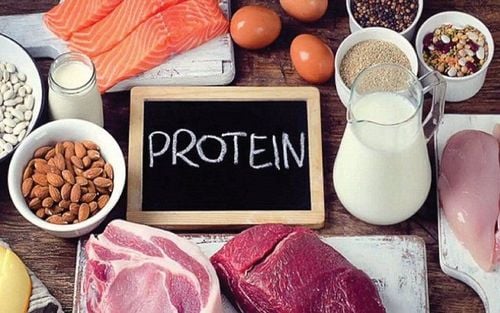
- Protein is essential for the construction and maintenance of muscles, blood, skin, bones, and other tissues in the body.
- Protein also provides energy.
- It serves as a substrate for the formation of enzymes and hormones, which help regulate bodily functions.
- It is a precursor for antibodies that help the body resist diseases and assists in the transport of nutrients and medications.
When the body consumes protein-containing foods, digestive enzymes break them down into amino acids for absorption. Among the 20 amino acids used by the human body, 9 are classified as essential, meaning the body cannot synthesize them and must obtain them from food. Without these essential amino acids, the body cannot produce the necessary amount of protein.
Sources of Protein:
- Meat, fish, legumes, dairy products and their derivatives, and eggs. Animal-based proteins contain more essential amino acids; however, combining various food sources helps provide a complete profile of amino acids required by the body.
- Protein is crucial for the body, especially for growing children. Breast milk contains a perfectly balanced composition of amino acids, so mothers should be encouraged to breastfeed. When children begin eating complementary foods, they should consume foods that provide an adequate amount of essential protein.
3. Lipids
- Provide energy and facilitate the absorption of fat-soluble vitamins such as vitamins A, D, E, and K.
- Serve as a major component of cell membranes, particularly in nerve cells, contributing to the development of brain cells and the nervous system and serve as structural elements in certain hormones, such as testosterone and cortisol.
- Function as an energy source.
- Lipids also enhance the palatability and appeal of food preparations.
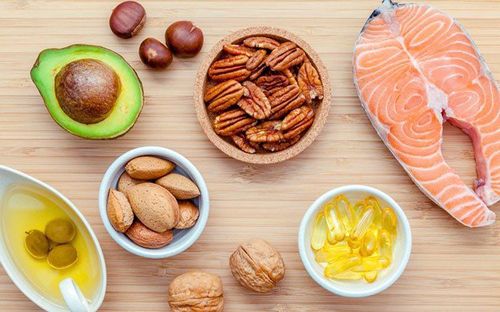
Composition of lipids: Lipids are composed of fatty acids, including saturated fatty acids (primarily derived from animal fats, palm oil, coconut oil) and unsaturated fatty acids (more prevalent in plant oils such as olive, sunflower, soybean, fish fat, and chicken fat..).
Fats from food consist of triglycerides and cholesterol, absorbed into the body in the small intestine. Cholesterol is primarily synthesized in the liver, with contributions from cells and dietary sources. Cholesterol is a biologically significant substance with various important functions; however, elevated blood cholesterol levels are associated with an increased risk of atherosclerotic diseases. Research indicates that the consumption of foods rich in saturated fatty acids raises LDL levels, a cholesterol transport molecule that can accumulate in vessel walls, leading to atherosclerosis. Conversely, unsaturated fatty acids increase levels of high-density lipoprotein (HDL), which facilitates the transport of cholesterol from tissues to the liver for degradation.
Sources: Types of oils, fats, butter, components found in meat, milk, eggs, and oily seeds. For the prevention and treatment of hypercholesterolemia, it is recommended to follow a diet that reduces saturated animal fats (butter, lard), increases the intake of plant oils, decreases the consumption of meat, and increases the intake of fish and soybean products.
4. Vitamins and Minerals
Vitamins and minerals, also known as micronutrients, are a group of nutrients that do not provide energy. Micronutrients are substances that the body requires in very small amounts but play a crucial role; deficiencies can lead to severe consequences for health, particularly in young children. The body needs more than 20 types of vitamins and over 20 essential minerals.
4.1. Some essential minerals
- Iron
Iron is bound to proteins to form hemoglobin, also known as blood pigment in red blood cells, which facilitates the transport of oxygen throughout the body and participates in various components of redox enzymes. Iron deficiency anemia is a common nutritional issue that can have severe consequences in children and women of reproductive age, leading to decreased productivity, impairments in cognitive function, growth and development, increased susceptibility to diseases, and elevated risks of obstetric complications.
Sources of iron include red meat, fish, and organ meats. Iron is also present in legumes and dark leafy greens, although it is less bioavailable than iron from animal sources. Vitamin C enhances the absorption and utilization of iron from plant-based foods.
- Calcium and phosphorus
It is necessary to maintain bodily functions and to achieve healthy bones and teeth. Calcium also participates in other biochemical reactions: coagulation, muscle contraction, nerve transmission, absorption of vitamin B12, and the activity of pancreatic enzymes in lipid digestion.
The diet needs to balance these two minerals to ensure optimal absorption and to avoid the leaching of calcium from the bones, which can lead to rickets in young children.
Sources: Milk and milk products are good sources of calcium and phosphorus in a balanced manner.
- Iodine
Iodine is an essential element for normal growth and development; it supports the proper functioning of the thyroid gland, prevents goiter, and mitigates the risk of intellectual disabilities. Fetal iodine deficiency due to maternal iodine insufficiency can lead to severe consequences, including increased prenatal and postnatal mortality rates, as well as intellectual impairment and cretinism in newborns.
Sources of iodine: Iodine is found in seafood and in soil-based foods that are rich in iodine. Currently, iodine is mandated to be added to table salt to ensure adequate iodine levels in the body.
4.2. Some Essential Vitamins
- Vitamin A
Vitamin A is a fat-soluble vitamin essential for the development and maintenance of healthy tissues, particularly the eyes, skin, bones, and epithelial linings of the gastrointestinal and respiratory tracts. It also plays a crucial role in immune function. Vitamin A deficiency can lead to xerophthalmia, which may result in blindness, growth retardation in children, weakened immune defenses, and an increased susceptibility to infections.
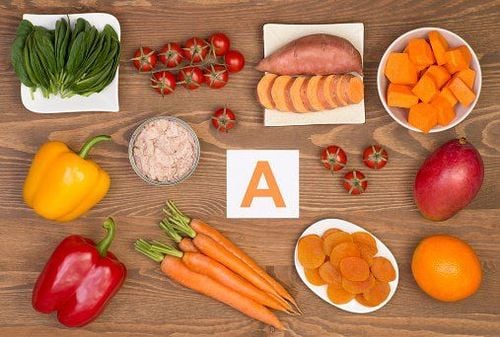
Vitamin A is found in animal-based foods such as breast milk, liver, eggs, and dairy products. It is also present in yellow and red fruits and vegetables (e.g., carrots, turmeric potatoes, papaya, mangoes, tomatoes, pumpkins) and dark green leafy vegetables, which contain provitamin A (carotenoids) that the body converts into active vitamin A.
- B-Complex Vitamins (B1, B2, B6, B9, B12, PP, ...)
As a group of water-soluble vitamins, they are essential for the metabolism of carbohydrates, fats, and proteins into energy for the construction and regeneration of body tissues. Among these, folic acid (Vitamin B9) is crucial for hematopoiesis, and its deficiency during pregnancy can lead to neural tube defects in the fetus.
Foods rich in B vitamins include dark green vegetables, legumes, peanuts, whole grains, fish, and eggs.
- Vitamin C
Essential for the absorption of iron from food, participates in the formation of connective tissue, and has antioxidant effects.
Rich sources include fresh fruits and vegetables such as citrus fruits (oranges, mandarins, grapefruits), green peppers, strawberries, tomatoes, broccoli, potatoes, and sweet potatoes.
- Vitamin D
Vitamin D aids in the absorption of calcium and phosphorus to form and maintain a strong skeletal structure. Deficiency in vitamin D leads to reduced mineralization in bones, resulting in rickets in children and osteoporosis in adults.
Good sources of vitamin D include fish liver oils, eggs, and milk, with a significant amount synthesized in the skin through the action of sunlight.
4.3. Water
Although not classified as one of the essential nutrients, water is indispensable and critically necessary for cellular formation and bodily fluids. It facilitates biochemical reactions and contributes to the production of urine, which expels waste products from the body. It is crucial to maintain an adequate intake of clean water to replace lost fluids.
A suitable dietary plan involves the appropriate combination of nutrients to provide all four essential nutrient groups required by the body.
In addition to the aforementioned nutrients, parents should also include certain supportive foods containing lysine. Lysine is vital for the growth and development of children; it enhances the production of digestive enzymes, thereby stimulating appetite and improving digestion efficiency, increasing the metabolism of food, and maximizing nutrient absorption from dietary sources. Enhancing lysine intake in children aids in the production of antibodies, enhances immune response, and assists in alleviating cough and thins mucus in children.
Please visit Vinmec.com regularly to stay updated on useful information for the care of your child and family.
Reference article source: National Institute of Nutrition
To arrange an appointment, please call HOTLINE or make your reservation directly HERE. You may also download the MyVinmec app to schedule appointments faster and manage your reservations more conveniently.