

Nội dung bạn đang tìm kiếm không có phiên bản tiếng Việt.
Vui lòng chọn tiếp tục để xem nội dung tiếng Anh hoặc đi đến trang chủ Tiếng Việt.
Rất xin lỗi về sự bất tiện này.
Health screening

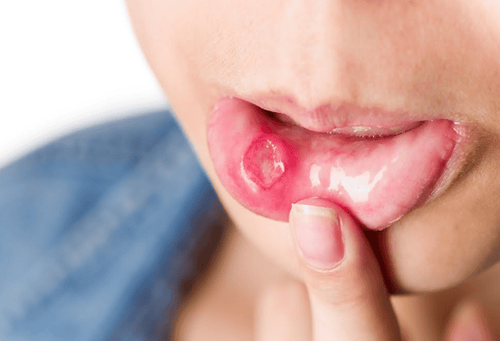
Why does canker sore (aphthous stomatitis) frequently recur?
Canker sores are a very common condition that almost everyone experiences at some point. Although they are mild, easily treatable, and can subside quickly, they also tend to recur frequently and persist whenever they appear.
View more

Potential Causes of Mortality During Anesthesia
Despite significant advancements in anesthetic science and a comprehensive understanding of anesthetic mechanisms, it remains impossible to completely predict or eliminate potential complications associated with anesthesia. One of the most severe complications is anesthesia-related mortality.
View more
Latest articles
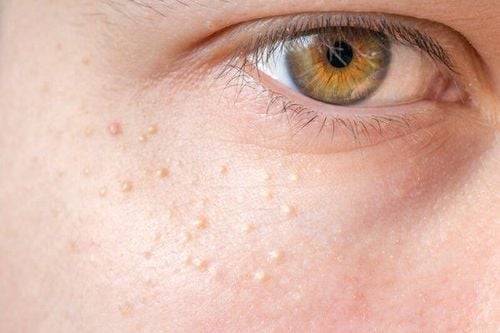
Small bumps under the eyes resembling plucked chicken skin
White bumps under the eyes are usually caused by clogged pores. Although they do not pose any danger to your health, they can affect the aesthetic appearance of your face.
View more

The Value of Ultrasound in Diagnosing Parasitic Worms
Parasitic worm infections are common worldwide. If left untreated, they can progress to severe conditions such as appendicitis, peritonitis, and hypoproteinemia. Ultrasound is considered the most effective imaging technique for detecting parasitic worms in the early stages of infection.
View more
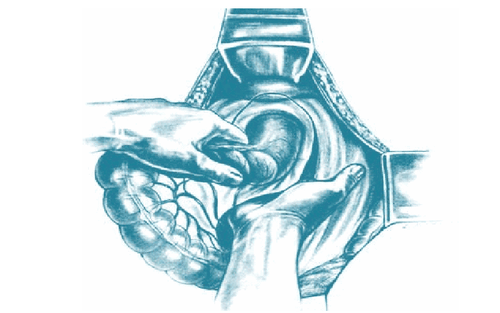
What is Miles Surgery?
Miles surgery is a method of removing the entire rectum and pelvic colon through both the abdominal and perineal approaches. This is also one of the highly effective treatment methods.
View more

Why is it necessary to monitor urine output after surgery?
Monitoring urine output after surgery is essential as it helps assess potential complications in the patient. When monitoring urine output, it is crucial to pay attention to the amount of fluid intake and output, the total fluid balance over 24 hours, as well as the characteristics, color, and volume of urine.
View more
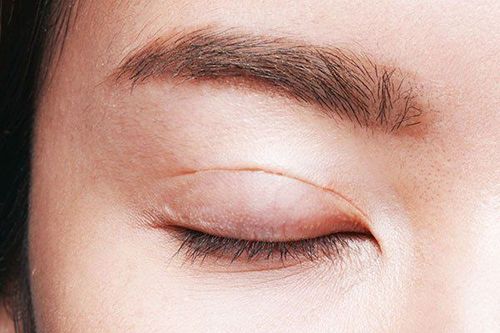
What is the effect of removing excess fat from the upper eyelids?
Removing excess fat from the upper eyelids is an effective cosmetic procedure to help improve signs of aging in the eye area. Beautiful eyes play an important role in making the face look more harmonious and attractive. Therefore, according to global statistics, the rate of people undergoing eye beauty treatments is higher than other cosmetic procedures.
View more
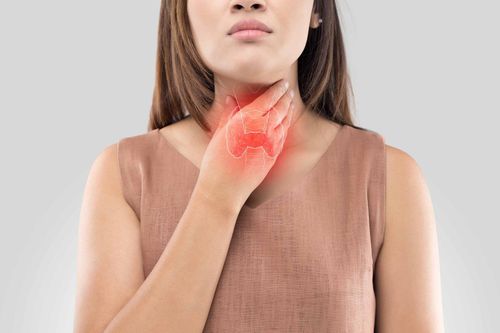
When does hyperthyroidism turn into hypothyroidism?
Hyperthyroidism and hypothyroidism are two of the most common thyroid disorders today. Some patients initially present with hyperthyroidism, but after a period of treatment, they develop hypothyroidism if they take excessive doses of medication for a prolonged period without regular endocrine specialist follow-ups.
View more

When is intravenous injection indicated?
Intravenous injection is a technique that uses a syringe to deliver medication into the body via a vein to rapidly achieve the desired effect.
View more
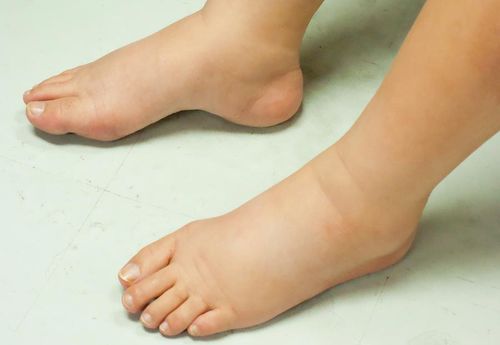
Edema: Classification, Causes, Symptoms, and Treatment
Edema is one of the common symptoms of various diseases, such as liver disease, kidney disease, vascular obstruction, or allergic reactions. Edema can occur in any part of the body, most commonly in the hands, feet, and ankles.
View more

