This article has been reviewed and advised by specialists from the Obstetrics and Gynecology Department at Vinmec Hai Phong International General Hospital.
Normal amniotic fluid ensures the safety of the fetus throughout the pregnancy until labor. However, pregnant women may experience abnormal amniotic fluid conditions, such as infections or yellow/green amniotic fluid, posing risks to both mother and baby.
1. What is amniotic fluid and what role does it play?
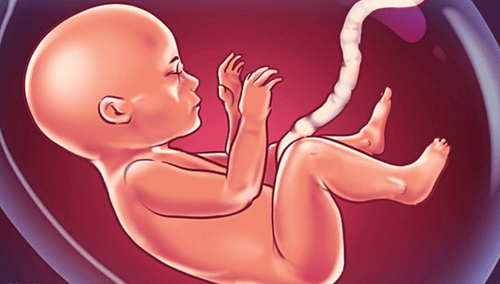
The fetus is surrounded by a soft "cushion." This cushion is known as amniotic fluid. It shields and protects the fetus from the invasion of germs, while providing and exchanging nutrients. It also helps prevent external pressure, collisions, and trauma.
In early pregnancy, amniotic fluid is typically clear and liquid. As the pregnancy progresses, it gradually turns white and cloudy—a normal condition that poses no cause for concern.
However, in some cases, amniotic fluid may become abnormal, appearing green, yellow, or brown, or emitting a foul odor. These are signs of amniotic fluid infection, which can cause serious complications for both the mother and fetus.
2. Amniotic fluid infection and its associated dangerous complications.
Abnormal signs of amniotic fluid include murky green fluid with pus, foul odor, or a yellow, green, or yellow-green color.
2.1. Amniotic fluid with a greenish-yellow tint.
Amniotic fluid with a greenish-yellow tint is a sign of fetal hemolysis (anemia) or intrauterine growth restriction (malnutrition), which refers to a condition affecting the fetus.
Fetal hemolysis occurs when the mother's red blood cell count is insufficient, leading to anemia in the fetus. Most pregnant women with hemolysis pass it on to their child in a recessive form, meaning the child can live a normal life after birth if affected.
In diagnosed cases, doctors will recommend that the husband undergo testing. If he also has hemolytic anemia, the child is likely to inherit the condition in a dominant form, meaning they will suffer from hemolytic anemia from the womb and need lifelong blood transfusions after birth.
However, expectant mothers need not worry, as the chance of both parents having hemolytic anemia is rare and typically occurs in couples who are closely related.

Fetal growth restriction or malnutrition occurs when the pregnant mother does not provide adequate nutrients for the fetus's development. As a result, the baby will not grow normally in the womb and will have a lower birth weight. The baby will also be weaker, with lower immune resistance, making it more susceptible to illnesses.
2.2. Cloudy green amniotic fluid with a foul odor and pus.
The amniotic membrane forms on the 12th day after fertilization and contains amniotic fluid. This thin membrane creates a sterile environment for fetal development, preventing bacteria from entering and infecting the fetus.
When the amniotic membrane ruptures, the fluid leaks out, allowing bacteria to enter and cause infection. The fetus is no longer protected and nourished in a safe environment. Amniotic fluid infection will appear cloudy, foul-smelling, and contain pus.
Amniotic membrane rupture and infection are often caused by untreated vaginal infections before or during pregnancy. Bacteria from the vagina invade and cause inflammation of the amniotic membrane.
In cases of amniotic membrane inflammation, the mother faces risks such as premature rupture of membranes, preterm labor, miscarriage, or fetal death. At the same time, the mother's health is also affected.
2.3. Thick, greenish amniotic fluid mixed with meconium.
This condition refers to severe fetal distress in the womb, which threatens the life of the fetus. It is caused by oxygen deficiency during pregnancy or just before labor. When the amniotic fluid appears dark green and contains meconium, there is a high risk of acute fetal distress during labor.
If undetected, it poses a serious threat to the fetus's survival. The baby may be born with neurological defects, developmental delays, or language disorders.
2.4. Reddish-brown amniotic fluid.
Brownish-red amniotic fluid is an indication that the fetus has died in the womb, also referred to as stillbirth. Stillbirth can result from various causes, with infection of the amniotic sac or severe maternal infection being the primary factors.
Common signs of stillbirth include brownish-red amniotic fluid leaking from the vagina, mild to severe abdominal pain, severe back pain, dizziness, and the absence of fetal heartbeat or movement.
Amniotic fluid plays a critical role in nourishing and protecting the fetus during pregnancy. The volume, density, and color of the amniotic fluid can provide insights into the health condition of the fetus.
Abnormal amniotic fluid, such as changes in color or signs of infection, serves as a warning of potential risks to the fetus's health. If undetected and untreated, it may result in fetal death.

Therefore, expectant mothers should regularly attend prenatal check-ups and monitor their pregnancy at reputable healthcare facilities.
Vinmec International General Hospital offers a comprehensive maternity care program for expectant mothers starting from the early stages of pregnancy. This includes all routine check-ups, 3D and 4D ultrasounds, and regular screenings to ensure both maternal health and fetal development.
Expectant mothers will receive consultations and health checks under the close supervision of experienced obstetricians, equipping them with knowledge to safeguard their health during pregnancy and minimize any potential complications for both mother and child.
To arrange an appointment, please call … or make your reservation directly HERE. You may also download the MyVinmec app to schedule appointments faster and manage your reservations more conveniently.
To arrange an appointment, please call HOTLINE or make your reservation directly HERE. You may also download the MyVinmec app to schedule appointments faster and manage your reservations more conveniently.