Waist size is a significant factor of concern for most women, impacting both physical appearance and health status. While waist size is not the only decisive factor in determining health, it serves as a warning sign for potential health risks. The following information provides details on the average waist size in Vietnamese individuals and important considerations regarding this measurement.
1. What does waist size indicate?
Every body has unique characteristics. Since no two individuals are the same, waist size alone is not always a direct health risk factor.
Health charts for general populations may not be accurate, as healthy bodies come in various shapes and sizes.
However, waist size can indicate potential health risks, including cardiovascular disease and diabetes. The waist-to-hip ratio (WHR) is a commonly used metric for assessing health risks associated with waist size.
Rather than focusing on a single ideal number, it’s important to understand what these figures mean and when to take steps to improve health.

2. What is the waist-to-hip ratio (WHR)?
The waist-to-hip ratio (WHR) is the value obtained by dividing the waist size by the hip size (measured at the widest part of the hips). In 1993, evolutionary psychologist Devendra Singh from the University of Texas at Austin first introduced this concept.
Studies have demonstrated a strong correlation between WHR and overall health. A WHR below 0.7 in females and below 0.9 in males is associated with better health and higher fertility.
An ideal waist-to-hip ratio (WHR) in women often has well-regulated estrogen levels, reducing their risk of serious conditions such as diabetes, cardiovascular diseases, and ovarian cancer.
Additionally, WHR is a method used to assess body fat distribution. It complements body mass index (BMI), which only measures the relationship between height and weight. A WHR below 1 indicates that fat is primarily stored in the hips and surrounding areas, whereas a WHR above 1 suggests that fat is concentrated in the abdominal region, which is associated with a higher risk of health complications.
Health risks chart according to waist-to-hip ratio (WHR):
| Male | Female | Health risk categories |
| 0,9 | 0,7 | No risk (Good health) |
| 0,9 – 0,95 | 0,7 – 0,8 | Low |
| 0,96 - 1 | 0,81 – 0,85 | Moderate |
| > 1 | > 0,85 | High (very dangerous) |
3. Average waist size in Vietnamese women
According to the 2015 National survey on risk factors for non-communicable diseases, conducted by the Ministry of Health, nearly 4,000 individuals aged 18-69 from 63 provinces/cities participated in the study between August and October 2015.
The findings indicate that 15.6% of the Vietnamese population is currently overweight or obese. Among individuals aged 25-64, this rate increases to 17.5%. Additionally, the prevalence of obesity in urban areas is nearly twice as high as in rural regions.
Studies indicate that weight and waist-hip size in women increase with age. On average, women aged 18-29 weigh 49.1kg, while those aged 30-49 weigh approximately 52.1kg, and women aged 50-69 weigh an average of 51.8kg.
Similarly, the average waist size for women aged 18-29 is about 71.4cm, with a hip size of 88.5cm. For women aged 30-49, the average waist size is 76.1cm and hip size is 90.7cm. Finally, women in the oldest age group have an average waist and hip size of 79.2cm and 90.7cm.
Research shows that the average waist size of modern Vietnamese women is 75.5 cm, while their average hip size is 90 cm.
Interestingly, women's waist measurements are not much different from men's. The average waist size for Vietnamese men is 77.8 cm, with an average hip measurement of 90.7 cm. Notably, women in rural areas tend to have smaller waists than those in urban areas, measuring 74.7- 76.8 cm.
For men, the difference is more significant—urban men have a waist size nearly 4 cm larger than rural men (80.4 cm - 76.5 cm).
4. Methods of waist size measurement
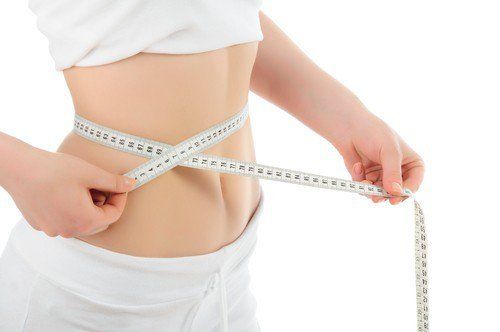
The method for measuring waist size according to medical standards may differ from how you typically measure your natural waist.
People often make mistakes in determining the right spot to measure. Common errors include measuring too high, above the natural waistline, or too low, closer to the hip bones.
To get an accurate waist measurement and track changes over time, measurements must be taken at the same anatomical location during each assessment. The following standardized protocol should be followed:
- Posture: Stand up straight with your feet about shoulder-width apart.
- Placement: Wrap the measuring tape around your waist, placing it halfway between your lowest rib and the top of your hip bone.
- Breathing: Breathe out naturally before taking the measurement. Make sure the tape is firm but not too tight or too loose.
- Consistency: For the best accuracy, measure three times and take the average.
5. Important considerations regarding waist size
It is important to understand that body measurements alone do not provide a comprehensive assessment of health. No single measurement, index, or body size can definitively indicate whether an individual is healthy or not.
Health is a multifaceted concept influenced by both mental well-being and physical activity. While weight and waist size are relevant factors, they represent only one aspect of overall health.
You should not set a perfect number or push yourself too hard to reach a specific body measurement. Trying to do so may lead to unhealthy habits that could have negative effects on your health.
These numerical values serve primarily as guidelines to help orient you toward healthier lifestyle choices. In reality, many individuals have a BMI within the normal range yet may not be in optimal health, while others with a higher waist size may maintain excellent overall health.
These measurement methods may be appropriate for some individuals but may not necessarily be suitable for you. This is particularly relevant if you compare yourself to models or celebrities seen on television, in movies, or across various media platforms.
Trying to meet unrealistic standards can negatively impact your health. Your body, health, and well-being are unique to you.
6. When should you consult a healthcare professional?
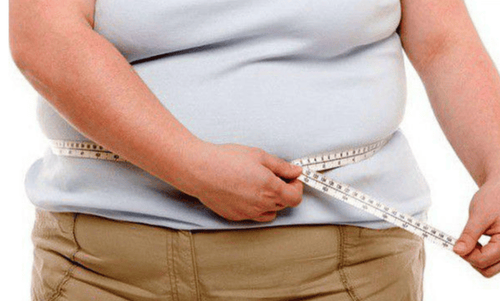
While waist measurements and other body indices may not always be direct markers of health issues, they can function as early warning signs, letting you know when to take action for better well-being.
Extensive research has demonstrated a correlation between body measurements—including waist size—and an increased risk of metabolic disorders such as type 2 diabetes, cardiovascular disease, and even cancers.
If you are concerned about these health risks and want to improve your lifestyle, you may consider consulting professionals in the following fields:
- Doctors: A doctor can perform baseline tests such as cholesterol and blood pressure, evaluating your overall health status with an increased waist size. Tracking these numbers over time can show health improvements, even before you see visible body changes.
- Personal trainers: While long-term supervision by a fitness coach may not be necessary, individuals new to exercise or seeking to establish a structured routine may benefit from professional guidance. Certified trainers can design customized exercise regimens tailored to your needs, address concerns regarding workout techniques, and provide support for sustainable fitness habits.
- A nutrition expert can help you create a healthy eating plan based on your health status and activity level. They can calculate how many calories you need daily and provide advice on hydration, supplements, and balanced nutrition to support your health goals.
In summary, waist size is just one health indicator, but it does not determine your overall health. Individuals can achieve good health at various body shapes and sizes, and no single body measurement, including waist size, can fully predict an individual’s health status or future well-being.
The important thing is to use these numbers, including your waist size, as a tool to guide you toward better health. Engaging in regular physical activity, following a balanced diet, and taking proactive steps to prevent health risks are key factors in maintaining overall well-being.
This article references: healthline.com
To arrange an appointment, please call HOTLINE or make your reservation directly HERE. You may also download the MyVinmec app to schedule appointments faster and manage your reservations more conveniently.