
The article is professionally reviewed by: Nguyen Thi Nhat, MSc., MD - Infectious Disease Specialist - Department of General Medicine & Internal Medicine, Vinmec Hai Phong International Hospital.
Dengue fever is an infectious disease transmitted through mosquitoes. In severe cases, it can lead to life-threatening complications. It is estimated that each year, 50 to 100 million people worldwide contract dengue fever, and approximately 3 billion people live in dengue-endemic regions.
1. What is Dengue Fever?
Dengue fever is an acute infectious disease caused by the Dengue virus, primarily characterized by fever and hemorrhagic manifestations. In severe cases, the disease may lead to life-threatening complications.
According to the General Department of Preventive Medicine, dengue fever is prevalent among both adults and children, affecting both urban and rural areas. The disease is transmitted from person to person via mosquito vectors, specifically the Aedes mosquito, commonly known as the tiger mosquito. The primary vectors responsible for dengue virus transmission include Aedes aegypti and Aedes albopictus, with Aedes aegypti being the dominant carrier.
Aedes aegypti mosquitoes typically inhabit indoor environments, residing in close proximity to humans. They prefer dimly lit areas and commonly rest on the undersides of furniture, hanging clothes, curtains in bedrooms, bathrooms, kitchens, and restrooms, while rarely settling on walls. The adult Aedes aegypti mosquito has an average flight range of approximately 50 meters but is capable of traveling distances of up to 200–300 meters.
Female Aedes aegypti mosquitoes initiate their first blood-feeding approximately 48 hours post-emergence. Within a single reproductive cycle, they may take multiple blood-feedings. The interval between blood-feeding and oviposition varies between 2 to 5 days. These mosquitoes exhibit peak feeding activity during daylight hours, with two prominent periods: early morning (at sunrise) and late afternoon (at sunset), with the highest activity occurring approximately one hour before sunset. However, they may continue blood-feeding throughout the day and even at night, albeit at a lower frequency.
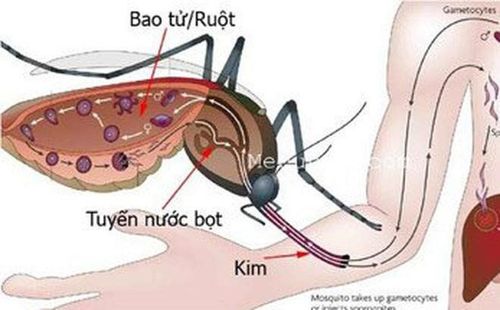
Upon ingestion of viremic blood from a dengue-infected host, the virus undergoes an extrinsic incubation period within the mosquito, typically lasting 10–12 days. During this period, the Dengue virus replicates and disseminates to the salivary glands. Once this incubation phase is complete, the mosquito becomes a competent vector, capable of transmitting the virus to susceptible human hosts with each subsequent blood feeding.
2. Clinical symptoms of dengue fever
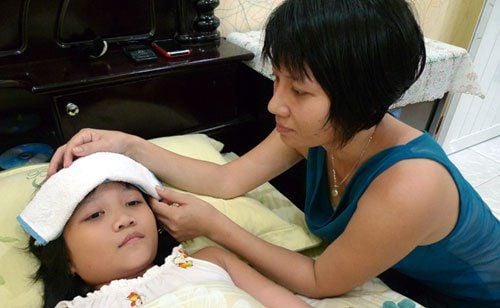
Dengue fever presents with influenza-like symptoms, typically lasting 2 to 7 days. The incubation period ranges from 4 to 10 days following the bite of an infected Aedes mosquito.
Patients commonly experience high fever (40°C/104°F), often accompanied by at least two or more of the following symptoms:
• Severe headache
• Retro-orbital pain
• Nausea and vomiting
• Lymphadenopathy
• Myalgia, arthralgia, or bone pain ("breakbone fever")
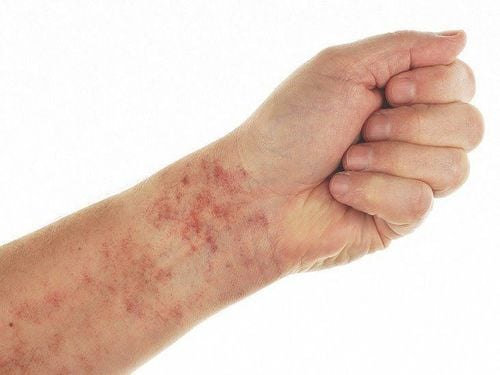
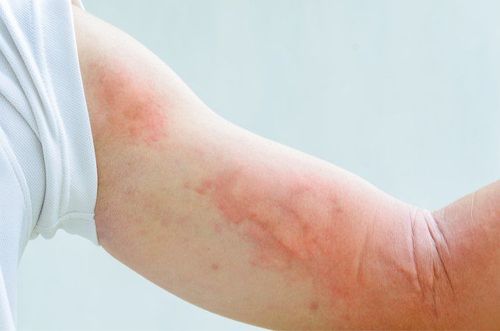
• Maculopapular rash
In cases of severe dengue, the critical phase typically occurs between days 3 to 7 after symptom onset. During this stage, a defervescence (decline in fever) may occur, but this does not indicate recovery. Instead, close monitoring is essential for the following warning signs, which may signal progression to severe hemorrhagic dengue fever:
• Severe abdominal pain
• Persistent vomiting
• Gingival bleeding
• Hematemesis
• Tachypnea or respiratory distress
• Profound fatigue, restlessness, or irritability
If severe hemorrhagic dengue is suspected, immediate medical attention is required, and the patient should be urgently transported to an emergency department or the nearest healthcare facility due to the risk of life-threatening complications, including:
• Plasma leakage, which may lead to dengue shock syndrome (DSS) and/or fluid retention, with or without respiratory failure.
• Severe hemorrhage.
• Multi-organ failure.
3. Dengue Fever: A Maximum of Four Infections in a Lifetime
The Dengue virus comprises four distinct serotypes: DEN-1, DEN-2, DEN-3, and DEN-4. An individual can contract dengue fever multiple times, each time caused by a different serotype. Following an infection with one DENV serotype, the individual develops lifelong immunity against that specific strain. However, they remain fully susceptible to infections from the remaining serotypes. Subsequent infections are often more severe due to the immune enhancement phenomenon triggered by cross-reactive immune complexes. In Vietnam, all four DENV serotypes have been identified, and shifts in the predominant circulating strain can lead to epidemic outbreaks, particularly in populations lacking prior immunity to the emerging serotype.
If warning signs of severe dengue appear, immediate medical evaluation and hospitalization are essential. Early detection and appropriate supportive care can reduce the case fatality rate to below 1%. However, the disease often causes significant discomfort.
At present, no specific antiviral treatment or licensed vaccine is available for dengue fever, patients should seek medical examination and supervision. Management is primarily supportive, including adequate hydration and rest, considering paracetamol for fever and pain relief. Specifically, strict avoidance of aspirin and NSAIDs (e.g., ibuprofen) is necessary due to their potential to exacerbate hemorrhagic complications.
To arrange an appointment, please call HOTLINE or make your reservation directly HERE. You may also download the MyVinmec app to schedule appointments faster and manage your reservations more conveniently.