
This article has been professionally reviewed by MSc, MD Lê Thị Minh Hương – Emergency & Intensive Care Doctor – Intensive Care Unit – Vinmec Nha Trang International General Hospital.
Edema is one of the common symptoms of various diseases, such as liver disease, kidney disease, vascular obstruction, or allergic reactions. Edema can occur in any part of the body, most commonly in the hands, feet, and ankles.
1. What is edema?
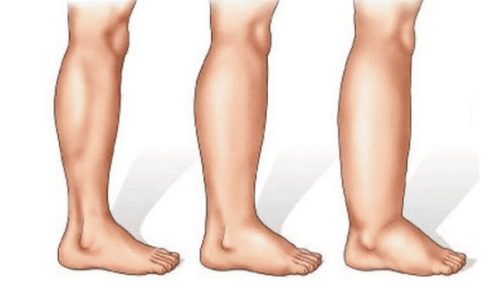
Edema is a condition in which the body swells due to fluid retention, injury, or inflammation, often affecting areas such as the legs, feet, or ankles. In some cases, edema can also occur in the eyes, hands, or even throughout the entire body.
When fluid from small blood vessels leaks into nearby tissues, it accumulates, causing the tissues to swell and leading to edema.
2. Types of edema
Below are some of the most common types of edema:
- Peripheral edema: This type of edema primarily affects the legs, feet, and ankles, but in some cases, it can also occur in the arms. It is often a sign of circulatory system disorders, kidney problems, or lymphatic issues.
- Foot edema: Occurs when excess fluid accumulates in the feet and legs. This condition is most commonly seen in pregnant women or the elderly. Foot edema can cause numbness in the feet and make walking difficult.
- Lymphedema: The lymph nodes play an important role in filtering out germs and waste from the body. When these nodes are damaged, it can lead to swelling in the arms and legs. This condition is often a side effect of cancer treatments, including radiation therapy, chemotherapy, and surgery.
- Pulmonary edema: This occurs when fluid accumulates in the air sacs of the lungs, leading to shortness of breath, especially when lying down. Other symptoms include rapid heartbeat, feeling suffocated, coughing up frothy sputum, or even blood.
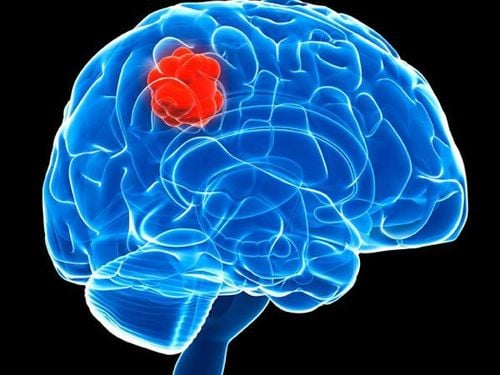
- Cerebral edema: A serious condition that occurs when fluid accumulates in the brain. Causes include head trauma, blocked or ruptured blood vessels, brain tumors, or severe allergic reactions.
- Macular edema: Occurs when blood vessels in the retina are damaged, leading to fluid leakage into the macula – the central part of the retina.
3. Causes of edema
Edema can result from common conditions such as bug bites, ankle sprains, or skin infections. However, there are also several other major causes of edema, including:
- Low albumin levels (hypoalbuminemia): Albumin and other proteins in the blood help maintain fluid balance within blood vessels. Low albumin levels can cause fluid retention and edema.
- Allergic reactions: Edema is a typical symptom of allergic reactions. In response to allergens, blood vessels leak fluid into the affected areas, leading to swelling.
- Vascular obstruction: This condition can lead to blood clots in deep veins (deep vein thrombosis – DVT), which can cause leg swelling (edema).
- Severe illness: Infections, burns, or life-threatening diseases can trigger fluid leakage throughout the body’s tissues, resulting in generalized edema.
- Congestive heart failure: When the heart weakens and its pumping function declines, fluid gradually accumulates, causing leg edema, pulmonary edema, or abdominal swelling.

- Liver disease: Severe liver diseases like cirrhosis can lead to fluid retention, causing leg or abdominal swelling. Additionally, cirrhosis reduces albumin and protein levels in the blood, contributing to edema.
- Kidney disease: Nephrotic syndrome is one of the primary causes of severe leg and even whole-body edema.
- Pregnancy: Mild leg swelling is common during pregnancy. However, serious pregnancy complications, such as preeclampsia or deep vein thrombosis, can also lead to edema.
- Head injuries: Conditions such as hyponatremia (low blood sodium), altitude sickness, brain tumors, or hydrocephalus can cause cerebral edema, leading to confusion, headaches, coma, or unconsciousness.
Medications: Several medications can cause mild leg swelling or generalized edema, including:
- Calcium channel blockers
- NSAIDs (e.g., naproxen, ibuprofen)
- Corticosteroids (e.g., methylprednisolone, prednisone)
- Pramipexole
- Rosiglitazone and pioglitazone
4. Symptoms of edema
The symptoms of edema vary depending on the location and severity of the swelling.
Cases of localized swelling due to inflammation (such as a mosquito bite) or infection may not cause specific symptoms. On the other hand, a severe allergic reaction, such as a bee sting, can lead to widespread swelling of the entire arm, resulting in symptoms including pain and difficulty in arm movement.
In addition, conditions such as food or drug allergies can also cause swelling of the throat or tongue. The most dangerous symptom of an allergic reaction is difficulty breathing, which can be life-threatening for the patient.
When experiencing leg edema, the patient will feel heaviness in the legs and have difficulty moving. In severe cases, leg edema can obstruct blood flow, leading to skin ulcers.
Pulmonary edema can lead to shortness of breath, coughing, and reduced blood oxygen levels.

There are two main types of edema:
- Pitting edema: A dent remains in the skin after pressing the swollen area.
- Non-pitting edema: The tissue returns to its original shape after pressing the swollen area.
These signs and symptoms help doctors determine the cause of edema.
5. Treatment of edema
To treat edema, it is essential to identify and address the underlying cause. For allergy-related edema, antihistamines or allergy medications are required.
- For leg edema caused by blood clots, anticoagulants (blood thinners) are used to break down clots and prevent further fluid leakage. Tumors blocking blood flow or lymph nodes can be shrunk or removed via surgery, radiation therapy, or chemotherapy.
- Leg edema due to liver disease or congestive heart failure can be treated with diuretics (e.g., furosemide/Lasix), which increase urination and help reduce fluid buildup in the legs.
- Reducing sodium intake can help prevent and manage edema.
Since edema has many possible causes, patients should monitor symptoms and seek medical attention if swelling persists for an extended period or if it causes breathing difficulties or chest pain.
Source: webmd.com & healthline.com
To arrange an appointment, please call HOTLINE or make your reservation directly HERE. You may also download the MyVinmec app to schedule appointments faster and manage your reservations more conveniently.