
The article is professionally advised by Dr. Nguyen Thi Thanh Thu - Department of Laboratory, Vinmec Da Nang International General Hospital and Dr. Le Thi Nha Hien - Department of Outpatient & Internal Medicine, Vinmec Nha Trang International General Hospital.
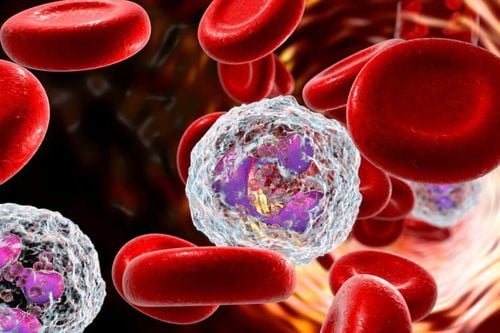
Leukocytes are critical components that enhance the body's immune response against pathogens, particularly bacterial infections, parasitic infections, and toxins. However, an increase in leukocyte count can signify serious underlying conditions.
1. What are leukocytes?
Leukocytes (white blood cells) are a component of blood. They play a vital role in augmenting the body's immunity against pathogens, particularly bacterial infections, parasitic infections, and toxins.
Under normal circumstances, the leukocyte count fluctuates between 4,000-10,000/mm3 of blood. Elevated leukocyte counts can be caused by bacterial infections, parasitic infections, or may occur in cases of infections affecting various organs such as pneumonia or liver abscess. Additionally, leukocytosis can manifest in hematological malignancies like acute or chronic leukemia.
Conversely, thrombocytopenia often results in bleeding, especially from small blood vessels, leading to petechiae or bleeding in other organs such as the gastrointestinal tract, respiratory system, mucous membranes, and the central nervous system. Various factors can precipitate thrombocytopenia, including splenic hyperfunction, macrocytic anemia, radiation exposure, or idiopathic thrombocytopenic purpura.
Cuộc sống hiện đại khiến chúng ta vì quá bận rộn mà quên chăm sóc sức khỏe cho chính mình. Ai cũng biết rằng lịch trình làm việc cả ngày có thể khiến bạn kiệt sức, nhưng cụ thể bận rộn ảnh hưởng thế nào tới sức khỏe? Hãy cùng làm thử bài trắc nghiệm dưới đây.
2. What does elevated leukocyte count indicate?
Elevated leukocyte count is a phenomenon where the number of leukocytes exceeds the normal range. This occurrence is common during infections, and leukocyte levels tend to return to normal upon resolution of the inflammation.
Certain infections affecting various organs, such as pneumonia, appendicitis, or liver abscess, may lead to a significant increase in leukocyte count, sometimes exceeding 20,000/ml. However, should the count exceed 100,000/ml, hematological malignancies, particularly chronic or acute leukemia, should be considered.
Typically, leukocyte counts range from 4,000/ml to 8,000/ml. A count above 8,000/ml is considered high. If leukocytes exceed 100,000/ml, additional investigation for underlying conditions, especially hematologic malignancies like chronic or acute leukemia, is warranted.
In more severe cases, persistent excessive leukocytosis occurs. Despite the high levels of leukocytes, these cells may fail to effectively combat even typical infections, leading to obstruction of blood flow and interference with critical bodily functions, including the production of healthy blood cells.
According to hematology specialists, the etiology of leukocytosis often correlates with bacterial and parasitic infections or can be associated with infections of various body organs such as pneumonia or liver abscesses. Alternatively, it may arise in hematological malignancies such as acute or chronic leukemia.
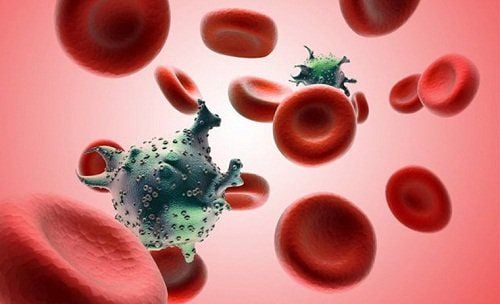
3. Signs indicating elevated leukocyte levels
Depending on the extent and cause of leukocytosis, patients may experience symptoms ranging from mild to severe, including:
• Persistent fatigue, unexplained weight loss, accompanied by discomfort, tension, or a general inability to feel well.
• Individuals with elevated leukocytes may experience intermittent fever of unknown origin alongside systemic infections.
• Patients may present with shortness of breath, muscle weakness, non-healing wounds, and the appearance of unexplained bruises despite no trauma.
• Unexplained nosebleeds.
The most accurate method for determining whether you have elevated leukocyte levels is through a blood test. Testing will aid in ruling out more severe conditions such as leukemia.

4. When does leukopenia occur?
Leukopenia is characterized by an abnormally low count of neutrophils, a common type of white blood cell produced in the bone marrow that migrates into the bloodstream and subsequently to sites of infection. Neutrophils secrete substances that eliminate invading microorganisms, aiding in the prevention of infections, particularly those caused by bacteria. In adults, a neutrophil count of less than 1500 per microliter of blood is defined as leukopenia. In pediatric populations, the thresholds for leukopenia vary by age. Certain individuals may present with neutrophil counts below the normal range without an associated increased risk of infection.
Leukopenia can occur in the following conditions:
• Tuberculosis
• Infectious diseases
• Dengue fever
• Infections caused by specific viruses such as Epstein-Barr virus, cytomegalovirus, hepatitis virus, and HIV.
In some patients, reduced leukocyte counts may be attributable to the effects of certain medications including antibiotics, antihypertensive agents, antipsychotics, and neuroleptics.
In summary, if you observe any unusual symptoms, it is advisable to consult a healthcare provider to determine whether you are experiencing leukocytosis or leukopenia. Is leukocytosis dangerous? You likely now have an answer to this question. The approach to care and treatment will vary depending on leukocyte count, the stage of the disease, and the individual's overall health status.
Vinmec International General Hospital is a facility for the diagnosis, treatment, and prevention of various medical conditions. When undergoing examination at Vinmec, patients will be welcomed and benefit from modern infrastructure, advanced medical equipment, and comprehensive healthcare services, all under the guidance and consultation of well-trained physicians, both domestically and internationally.
Article compiled from the source: Institute of Malaria and Parasitology
To arrange an appointment, please call HOTLINE or make your reservation directly HERE. You may also download the MyVinmec app to schedule appointments faster and manage your reservations more conveniently.