Considered an extremely rare type of cancer, the successful treatment of ear cancer varies for each patient, as it depends on the location, duration of development, and metastasis of the tumor. Therefore, to increase the success rate of treatment, patients need to detect early any unusual signs in the ear.
1. What is ear cancer?
Ear cancer is a type of malignant tumor, and this type of cancer is very rare among head and neck cancers. Ear cancer can develop from any structure and location in the ear. According to statistics, the majority of ear cancers are of the epithelial type and often occur in middle-aged individuals.
This type of cancer primarily starts as skin cancer, but it can affect both the inner and outer parts of the ear, subsequently spreading throughout the ear structures, including the ear canal and eardrum, and metastasizing to the bones, leading to serious consequences for the patient. Therefore, ear cancer is dangerous. Additionally, some types of cancer can metastasize to the ear, such as:
- Adenoid cystic carcinoma: This is a very rare type of cancer that affects the salivary glands, particularly the parotid gland. These malignant tumors account for 5% of cases of cancer in the external auditory canal;
- Parotid gland cancer: In some cases, ear cancer may originate from this gland itself. The development of malignant tumors in the parotid gland can spread to the ear canal.
Moreover, several risk factors can increase the likelihood of malignant tumors in the ear, such as: direct exposure to sunlight with little or no use of sunscreen; individuals who frequently suffer from ear infections may experience changes in surrounding cells leading to cancer; and elderly individuals and white people are at an increased risk of developing ear cancer.

2. Signs and symptoms of ear cancer
The signs of ear cancer depend on the area where the tumor develops, leading to various symptoms for the patient. Common symptoms in each area where ear cancer develops include:
- External ear cancer: The external ear includes the earlobe, auricle, and the entrance to the ear canal. Signs of cancer in the external ear include the appearance of flaky skin on the ear even after moisturizing, as well as a pearly white lump under the skin.
- Additionally, the skin may become ulcerated and bleed. These are signs of external ear cancer that patients should pay attention to in order to seek timely medical examination.
- Ear canal cancer: When cancer occurs in the ear canal, patients may notice a lump inside or near the entrance of the ear canal. Furthermore, patients may experience hearing loss and see discharge coming from the ear. Therefore, if these symptoms appear, it is possible that the patient has ear cancer, and a medical examination for diagnosis is necessary;
- Middle ear cancer: In cases of cancer in the middle ear, patients may notice discharge from the ear, which is often blood. Additionally, patients may experience hearing loss, ear pain, and a tingling sensation in the head;
- Inner ear cancer: Common signs of inner ear cancer include pain and tinnitus (ringing in the ears), hearing loss, dizziness accompanied by tinnitus, and headaches.
These are common signs of ear cancer. Therefore, if experiencing any of the above symptoms, patients should promptly visit a medical facility for examination, diagnosis, and timely treatment plans to minimize dangerous complications.

3. Can ear cancer be treated?
After suspecting and detecting a tumor inside or outside the ear, the doctor will perform a biopsy of the tumor by taking a tissue sample for testing to obtain the most accurate results. However, if the tumor develops in the inner ear, it is very difficult to access and may affect the surrounding tissues. Therefore, doctors will recommend an MRI or CT scan for diagnosis.
The treatment of ear cancer will depend on the size and location of the tumor to determine the appropriate treatment method that will be most effective for the patient. Treatment methods for ear cancer include:
- External ear cancer: In cases of external ear cancer, the primary treatment method is surgical removal. However, if the area that needs to be removed is too large and significantly affects aesthetics, the patient may require skin graft surgery;
- Ear canal or temporal bone cancer: For this type of ear cancer, surgery and postoperative radiation therapy are the main treatments. In this case, the patient may lose part or all of the ear canal, depending on the size of the tumor and its extent of spread;
- In some cases, the ear canal, bone, and eardrum may need to be removed, but this can be addressed through ear reconstruction surgery. If hearing is affected, the patient may need to use a hearing aid.
Considered an extremely rare type of cancer, the success of treatment varies for each patient. This depends on the location, duration of development, and metastasis of the tumor. Therefore, to increase the success rate of ear cancer treatment, patients need to detect any unusual signs early.
Additionally, preventing ear cancer is quite challenging; however, to reduce the risk of developing ear cancer, it is important to maintain good ear hygiene. In cases of ear infections, patients should consult an ear, nose, and throat specialist for accurate diagnosis and timely treatment, and undergo regular check-ups every six months if there are any concerns.
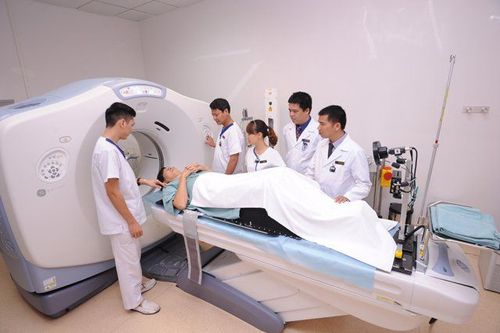
Currently, early cancer screening is considered an excellent method for timely detection and treatment of various types of cancer. It reduces treatment costs and, most importantly, decreases the mortality rate among patients. Vinmec International General Hospital consistently implements and introduces early cancer screening to customers, promoting a healthy lifestyle with services such as genetic testing, imaging diagnosis, and testing for biomarkers to detect tumors early. Vinmec International General Hospital offers various early cancer screening packages.
- A single genetic test can assess the risk of 16 common types of cancer in both men and women (including lung cancer, ear cancer, colorectal cancer, breast cancer, pancreatic cancer, cervical cancer, stomach cancer, prostate cancer, etc,...)
- Early detection of initial signs of cancer is achieved through imaging diagnosis, endoscopy, and ultrasound.
- The examination process is simple, careful, and accurate.
- The team of specialists is well-trained, particularly in oncology, and is fully capable of handling cancer examinations and treatments.
With advanced and modern medical facilities and equipment, along with a team of highly specialized and experienced doctors, the examination process at Vinmec becomes quick, providing accurate results while saving costs and time for patients.
To arrange an appointment, please call HOTLINE or make your reservation directly HERE. You may also download the MyVinmec app to schedule appointments faster and manage your reservations more conveniently.