
This article is professionally consulted by Specialist Doctor Level I Trần Văn Sáng, a Dermatology Specialist at the Department of General Medicine and Internal Medicine, Vinmec Da Nang International Hospital. He has 18 years of experience in the field of dermatology.
Shingles, in essence, is a disease caused by the invasion of the herpes zoster virus, a fairly dangerous virus that is also responsible for causing chickenpox.
1. What is Shingles?
Currently, shingles, also known as herpes zoster, is quite common. The symptoms of this disease can make sufferers feel extremely uncomfortable, restless, and painful. Since it can appear in various parts of the body, it is important to take effective measures as soon as it emerges to prevent it from spreading and becoming more dangerous.
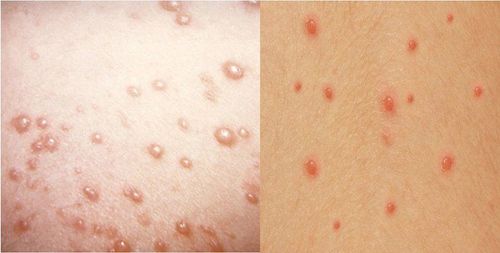
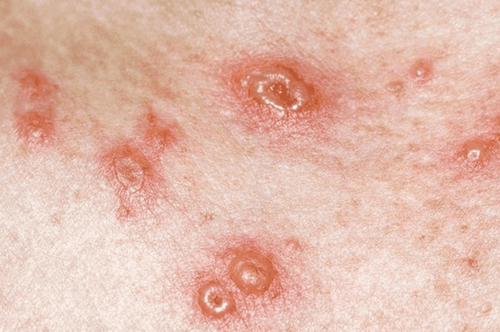
Shingles can occur at any age and on any part of the body. When you have this disease, your skin will develop red, swollen patches, followed by small blisters that appear on the surface and burst within 2-3 weeks. Generally, shingles on the eyes is the most dangerous because it can cause severe infections and leave many scars on the cornea. In severe cases, you may develop conjunctivitis and corneal ulcers, significantly affecting your vision and potentially leading to blindness if not treated properly.
2. Symptoms of Shingles
Patients may experience fever, burning sensation, and swelling in the infected area, especially when it's hot, making the discomfort worse. A mild fever ranging from 37 - 38.5°C may occur, along with fatigue, discomfort, and stress.
Shingles can appear on any part of the body and usually lasts for about 10 - 15 days, affecting all age groups.
In the affected area, the initial symptoms include itching, burning, pain, and redness. This is followed by the rapid development of numerous water-filled blisters, initially pale and then turning light red. The blisters spread quickly and enlarge, causing constant itching and discomfort. If the blisters burst, the disease can spread more rapidly.
Even after the symptoms of shingles subside, patients often experience severe pain in the affected areas, particularly in the scars formed, known as postherpetic neuralgia. This type of pain does not respond to conventional painkillers and usually requires local anesthetics around the scars or topical anesthetics to relieve the pain.
Typically, shingles does not recur and is usually a once-in-a-lifetime occurrence. Studies suggest that there is a very small risk of internal organ cancer in elderly individuals who have had shingles.

3. Optimal treatment within 48 hours
The best time to treat shingles is within 48 hours of the onset of skin lesions.
In mild cases, traditional remedies may be used. However, it is still advisable to visit medical facilities for examination and treatment from the beginning to prevent infection. Delayed treatment can result in poorer outcomes and long-lasting complications that may persist for months or even years, causing prolonged pain, especially in middle-aged individuals.
Shingles can leave dark spots that gradually fade over 3-6 months. Potential complications include chronic ulcers, keloids, atrophic scars, and white or dark spots due to post-inflammatory pigmentation disorders.
If the fifth cranial nerve is damaged, it can lead to reduced or lost vision. Damage to the seventh cranial nerve can cause facial paralysis and mouth distortion. Additionally, delayed treatment may result in secondary skin infections, with ulcers becoming infected, inflamed, and pus-filled. Shingles in the eye area can lead to conjunctivitis, keratitis, and corneal ulcers, which are very dangerous. Severe skin damage can spread to the circulatory system, affecting organs such as the brain, liver, and lungs, and potentially leading to death.
3.1. Fastest way to treat shingles on the mouth
If you unfortunately get shingles on the mouth, you can apply the following treatment methods:
Treatment with antibiotics:
Depending on the severity of the disease at different stages, you can use appropriate antibiotics to achieve the best treatment results. If the patient wants to shorten the rash duration and reduce the burning pain caused by the blisters, antiviral drugs such as acyclovir, valacyclovir, and famciclovir should be used.
If the disease does not improve after using these medications, it is best to use some painkillers such as pregabalin and gabapentin for 1-3 weeks.
Topical treatments like Jarish solution, Dalibour solution, or antibiotic solutions can be used for wounds that secrete a lot of fluid. For dry skin, acyclovir cream can be used to relieve pain and cool the wound.
For infected skin, antibiotic ointments such as foban or bactroban are the best choices.
Vitamin C supplementation
With its various benefits, vitamin C is very good for human health, including in the treatment of shingles. The activity of vitamin C will quickly take effect, helping wounds heal faster.
For effective use, it is best to consult a doctor to use the correct dosage.

3.2. How to treat shingles in the eye
Use of medication
Depending on the severity of the disease, dermatologists will prescribe the most appropriate medications. Anti-inflammatory drugs, antiviral drugs, and antibiotics are maximized to prevent secondary infections and help disinfect the wound on the spot. Additionally, the doctor may prescribe eye drops to nourish and protect the eyes when affected by shingles. They will also provide advice on what to do when experiencing shingles.
Pain relief with cold compresses
Patients can use cold medical bandages or gauze to apply to the shingles-affected skin, which will help reduce the symptoms of burning pain and discomfort.
Cleaning the affected skin areas
Using antiseptic solutions and quick-drying solutions like eosin, you can clean the affected skin areas to prevent bacterial invasion and secondary infection.
Absolutely do not use random plant leaves to apply to the wound.
Nutritional supplementation to boost the body’s immunity
In addition to regular medications, you can supplement with nutrients to boost your body’s immunity, such as vegetables, fresh fruits, and nutritious foods that have cooling properties. Additionally, it is advisable to drink plenty of water to stay hydrated when you're ill.
3.3. How to treat shingles on the neck
Medication as prescribed by a doctor
To treat shingles on the neck, doctors usually prescribe anti-inflammatory and antiviral medications such as Acyclovir, Famciclovir, and Valacyclovir, with dosages appropriate for the patient's age and the severity of the disease.
These medications inhibit the virus's activity, reduce burning pain, and eliminate toxins accumulated in the blood vessels, promoting faster healing.
Maintain personal hygiene
Patients should maintain good personal hygiene and choose loose, breathable clothing to avoid rubbing against the affected skin, which can cause further damage.
Avoid dust and dirt
Patients should carefully cover the shingles-affected area when going outside to prevent bacteria and dust from the environment from coming into contact with the wound, which could lead to dangerous secondary infections and slow down the healing process.
4. Some precautions for treating shingles
When dealing with shingles, consider the following to prevent infection and promote quick recovery.
Patients should wear loose, breathable clothing to avoid rubbing against the wound and to prevent the blisters from bursting.
Shingles is a contagious disease that spreads through contact with the fluid from the blisters. Therefore, avoid touching the wound and do not share personal items with the infected person.
Do not apply random remedies like mung beans or sticky rice to the wound, as this can worsen the infection.

5. Preventing shingles
To prevent this disease from affecting your health, daily activities, and work, the following preventive measures should be taken:
- If you have had shingles or chickenpox before, take extra precautions to prevent shingles during the rainy, humid season when your immune system is weakened.
Get vaccinated with the Zostavax vaccine. This vaccine is recommended in some countries for individuals over 60 years old, as shingles primarily affects older adults. - Additionally, since shingles and chickenpox are caused by the same virus, prevention can include measures to avoid chickenpox:
- Get vaccinated against chickenpox.
- Do not share personal items or eating utensils with a chickenpox patient.
- Avoid direct contact with the bodily fluids of someone with chickenpox.
- Disinfect household items that have been used by an infected person to minimize the risk of transmission.
- Moreover, to prevent shingles and other diseases, adopt a healthy lifestyle. This includes staying cheerful, engaging in regular physical activity, thinking positively, avoiding prolonged stress, and ensuring an adequate intake of nutrients.
Although shingles is not dangerous, it can cause severe consequences if patients are negligent. Therefore, if you notice that shingles lesions are spreading, forming a strip on one side of the body, causing pain and discomfort, it is best to see a specialist for an examination.
To prevent shingles, you can visit Vinmec International General Hospital for consultation, appointment booking, and vaccination against chickenpox for safe and effective disease prevention.
All biological products and vaccines at Vinmec have clear origins and are stored in cold chains according to strict standards of the Ministry of Health and the World Health Organization. Patients are screened before vaccination and monitored for health afterward to ensure the highest safety and effectiveness of immunization.
To arrange an appointment, please call HOTLINE or make your reservation directly HERE. You may also download the MyVinmec app to schedule appointments faster and manage your reservations more conveniently.