
Throat and laryngeal examinations provide an initial assessment of common conditions before performing endoscopy, this method is easy to perform, painless, and does not cause discomfort for the patient.
1. Purpose of Throat and Laryngeal Examination
Throat and laryngeal examinations are conducted for patients experiencing symptoms such as: sore throat, throat irritation, difficulty swallowing, cough, breathing difficulties, mucus expectoration, throat itching, hoarseness, voice loss,... to provide an initial assessment and diagnose certain conditions of the throat and larynx.
Throat and laryngeal examinations are always performed on individuals suspected of having throat or laryngeal diseases to initially evaluate lesions. Based on the findings, necessary procedures such as otolaryngoscopy for diagnosis or biopsy in cases of suspected tumors may be recommended. Additionally, in settings lacking advanced diagnostic tools, these examinations assist in the early detection of specific conditions.
To conduct an effective throat and laryngeal examination and determine the underlying cause, it is necessary to inquire about the onset time, disease progression, previous medication treatments, as well as occupational and family history to identify possible causes and related risk factors.
Before the examination, patients should be informed about the procedure and guided on proper positioning. In children, a caregiver should hold the head steady to facilitate the examination.
2. Throat and Laryngeal Examination
Throat Examination: Throat examination includes oral examination, non-instrumental throat examination, and instrumental throat examination.
Oral Examination: A tongue depressor is used to retract the cheek to examine the teeth, gums, and the inner surface of the cheek, as well as the hard palate and soft palate. The patient is instructed to curl their tongue upward to observe the floor of the mouth and the underside of the tongue.
Non-instrumental Throat Examination: The patient is asked to open their mouth, extend their tongue, and vocalize "ehhh" for an extended period, this allows observation of the oropharynx and tonsils in their natural position.
Instrumental Throat Examination (Using a Tongue Depressor): The patient is instructed to open their mouth without extending the tongue and breathe gently. The physician places the tongue depressor on the anterior two-thirds of the tongue, pressing it down gradually while observing the soft palate, uvula, anterior pillars, posterior pillars, tonsils, and the posterior pharyngeal wall,
Throat Assessment:
- Normal findings: The soft palate is symmetrical, the uvula is centrally positioned, the tonsils are of moderate size without pus spots, and the mucosa appears pink. The anterior and posterior pillars are normal, with no redness or inflammation, and the posterior pharyngeal wall is smooth and clear.
- Abnormal findings: Possible pathological signs include a deviated uvula, pus spots on the tonsils, enlarged tonsils, granular pharyngitis, abnormal masses in the pharynx, swelling, and pharyngeal congestion,...

Laryngeal Examination:
- Preparation of examination instruments: Clar lamp, head mirror, laryngeal mirror, alcohol lamp, Chevalier-Jackson laryngoscope, anesthetic medication.
- Examination methods:
- Indirect examination (using a mirror): the patient sits upright while the physician holds a gauze pad in the left hand to gently pull the patient's tongue forward. The right hand holds the laryngeal mirror (selecting an appropriate mirror size based on the patient’s age), anesthesia is recommended before the examination.
- Key observations: the vestibular region of the larynx, vocal cords (color, mobility, presence of nodules, closure status?...), and the cleanliness of the laryngeal sinuses?
Using a Chevalier-Jackson laryngoscope (Direct examination): this method is applied when indirect examination does not provide a comprehensive assessment, allowing for a clearer and more detailed evaluation of the entire larynx. - Normally, the larynx appears light pink, moves well, closes completely, has no nodules, and the laryngeal sinuses are clean.
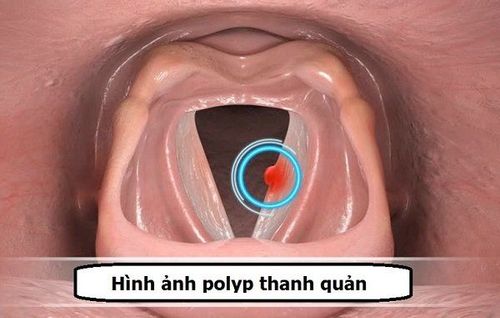
- Common conditions: laryngeal edema and inflammation, observable vocal cord nodules, vocal cord polyps, laryngeal fungal infections, laryngeal tumors,...
To arrange an appointment, please call HOTLINE or make your reservation directly HERE. You may also download the MyVinmec app to schedule appointments faster and manage your reservations more conveniently.


