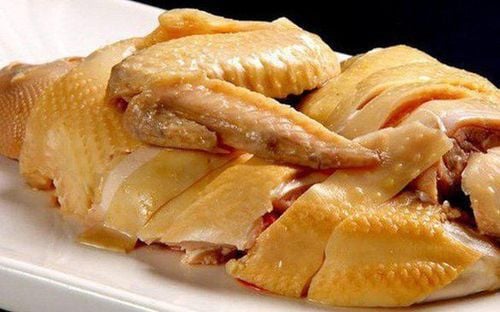
Raw chicken is commonly stored in the refrigerator for later use. However, improper storage can lead to loss of freshness and nutritional value. Follow these guidelines to ensure proper preservation.
1. Storage Duration of Raw Chicken in the Refrigerator
The most common way to store raw chicken is by keeping it in the refrigerator. However, the storage time varies depending on whether it is placed in the refrigerator compartment or the freezer. According to the United States Department of Agriculture (USDA), the recommended storage durations for raw poultry, including chicken, are as follows:
- Refrigerator compartment (0 - 5°C): 1 - 2 days
- Freezer compartment: Up to 9 months.
However, it is essential to ensure that the chicken is stored properly at the correct temperature to prevent spoilage.
2. How to Store Raw Chicken in the Refrigerator
Properly storing raw chicken preserves its nutritional value and flavor while also preventing food poisoning caused by spoilage. Follow these steps to ensure safe storage in the refrigerator:
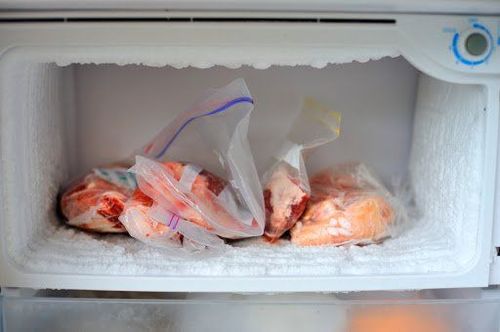
- Step 1 - Wrap the Chicken Properly: Before storing, wash the chicken thoroughly and place it in an airtight container to prevent cross-contamination with other raw foods. Wrapping the chicken in multiple layers helps prevent freezer burn, which can alter its taste, color, and moisture content, affecting its quality when cooked.
- Step 2 - Maintain the Correct Temperature: Once properly wrapped, store the chicken neatly in the refrigerator. If freezing, set and maintain the freezer temperature at -25°C. Regularly check the temperature to ensure the chicken remains in optimal condition.
- Step 3 - Organize the Refrigerator Properly: To maintain the correct storage temperature, proper organization of the refrigerator is crucial. Avoid overcrowding the fridge with too many items. Instead, use food storage containers to keep items separate and maximize storage space efficiently.
- Step 4 - Monitor the Storage Duration: Although raw chicken can be stored in the freezer for up to 9 months, it is best to use it within 1 month to retain freshness and nutritional value. Always keep track of storage time by labeling packages with the date of freezing, ensuring you use older stock first.
3. How to Store Raw Chicken Without a Refrigerator
If a refrigerator is unavailable or during a power outage, raw chicken can still be stored outside by washing it thoroughly and letting it drain completely. Then, keep the chicken in a cool, dry place, covering it with a mesh cover or food dome to prevent dust and insects.
To remove unwanted odors, rub the chicken with salt or other seasonings. Additionally, lightly frying, searing, or microwaving the chicken before storing it in a dry, well-ventilated place can help extend its shelf life.
4. Properly Thawing Frozen Raw Chicken
Frozen raw chicken must be thawed correctly before use to preserve its nutritional value and flavor. There are several thawing methods to consider:
- Microwave Thawing: Place the chicken in a microwave-safe container (plastic container or glass bowl) and select the defrost setting. This method is fast but can result in loss of flavor and nutrients.
- Water Thawing: Place the frozen chicken in a sealed bag (ziplock bag) and submerge it in a bowl of water to allow gradual thawing. Although this method takes longer, it helps retain the chicken’s flavor and nutrients. However, do not use hot water to speed up the process, as it may increase the risk of bacterial growth.
- Refrigerator Thawing: Transfer frozen raw chicken from the freezer to the refrigerator compartment. It is advisable to place the sealed bag or container inside a larger bowl or container to prevent melted ice from affecting other stored foods. This method takes longer, but it best preserves the chicken’s flavor and nutritional value.

5. Signs of Spoiled Raw Chicken
After taking raw chicken from the refrigerator and before cooking or using it, it is important to check for signs of spoilage in terms of color, smell, and texture to ensure its safety. Specifically:
- Color: Fresh chicken has a pink color, whereas spoiled chicken may turn bluish-green or develop grayish-green mold spots.
- Smell: Fresh raw chicken has a mild and neutral odor, while spoiled chicken often emits a foul, sour, and unpleasant smell. If the chicken has been marinated, it is essential to carefully check the odor, as the seasonings may mask signs of spoilage, making it harder to detect.
- Texture: Fresh chicken is firm and elastic, while spoiled chicken often becomes soft, mushy, and covered with a slimy film.
Properly storing raw chicken helps ensure longer shelf life while preserving its flavor and nutritional value when cooked and consumed.
To arrange an appointment, please call HOTLINE or make your reservation directly HERE. You may also download the MyVinmec app to schedule appointments faster and manage your reservations more conveniently.