In Vietnamese cuisine, bean sprouts are an essential ingredient featured in many famous dishes such as pho, banh xeo, and bun bo Nam Bo. There is considerable debate regarding the benefits of bean sprouts for pregnant women. Thus, is the consumption of bean sprouts beneficial for pregnant women?
1. Nutritional benefits of bean sprouts
Bean sprouts are a common food for almost all Vietnamese people because they are not only easy to prepare, inexpensive, and nutrient-dense but can also be incorporated into various delicious dishes.
Bean sprouts are a type of sprouted vegetable, derived from germinated mung bean seeds that grow to a length of 3 cm to 7 cm. The process of sprouting bean sprouts is relatively straightforward, requiring the beans to be soaked for about 5 to 7 days to yield a quality batch of sprouts.
Bean sprouts contain numerous essential nutrients such as protein, fiber, iron, calcium, zinc, and folic acid, contributing to enhanced health for consumers.
2. Benefits of consuming bean sprouts during pregnancy
Bean sprouts are regarded as more nutrient-dense than the original mung beans, making them one of the foods recommended for pregnant women by nutrition experts. Some of the most notable benefits include:
• Reducing the risk of miscarriage: Bean sprouts are rich in Vitamin E, which can enhance the immune system for pregnant women. The Vitamin E content not only aids in combating health issues but may also reduce the risk of miscarriage, particularly in the first trimester of pregnancy.
• Supporting mental well-being: The Vitamin C and micronutrients contained in bean sprouts help pregnant women improve their immunity, preventing respiratory illnesses and enhancing overall immune function. Melatonin present in bean sprouts also aids in alleviating sleep disturbances in pregnant women, thereby promoting a more relaxed state of mind.
• Preventing cardiovascular diseases: The nutrient content in bean sprouts plays a crucial role in preventing calcium buildup in arteries, thereby mitigating the risks associated with coronary artery disease.
• Improving digestive health: Like other vegetables, bean sprouts are high in fiber, which helps enhance digestive health and prevent issues such as constipation and bloating.
• Reducing the risk of osteoporosis: During pregnancy, women are particularly susceptible to calcium deficiency and loss due to supporting fetal development, which can lead to osteoporosis. Manganese present in bean sprouts, combined with estrogen, has the potential to increase bone density and prevent bone loss, benefiting both the mother and the developing fetus.
• Decreasing the likelihood of neural tube defects: Congenital neural defects are commonly associated with deficiencies in folic acid during pregnancy. Accordingly, bean sprouts are evaluated as a food rich in folic acid, which is highly beneficial in preventing neural defects in the fetus.
• Cooling the body: Pregnant women often experience increased body temperature, leading to discomfort. Bean sprouts have a mild, sweet taste and cooling properties that assist in thermoregulation and detoxification.
• Promoting lactation: Bean sprouts also stimulate milk production significantly. During pregnancy, consuming bean sprout juice may enhance both the quantity and nutritional quality of breast milk postpartum.
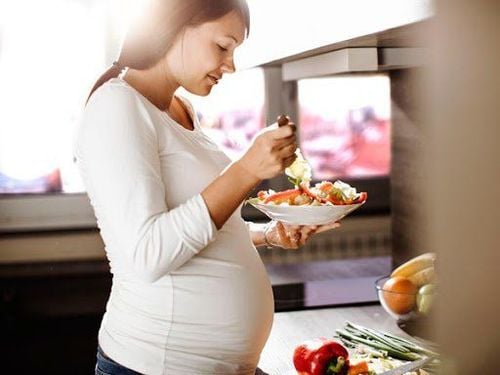
3. Important considerations for safely consuming bean sprouts during pregnancy
In practice, many healthcare professionals and nutrition experts often advise against the consumption of sprouted vegetables such as bean sprouts during pregnancy. The primary concern is the potential for harmful bacteria, such as Listeria and E. Coli, to infiltrate the sprouted seeds, posing significant risks including miscarriage and fetal loss, adversely affecting both the mother and the fetus.
Nevertheless, the benefits of bean sprouts for pregnant women cannot be discounted. There are important precautions that pregnant women should follow to minimize the potential risks associated with bean sprouts while maximizing their nutritional benefits:
• Source bean sprouts from reputable and hygienic suppliers.
• Discard any bean sprouts with wilted stems or musty odors.
• Thoroughly wash bean sprouts with saline solution.
• Avoid consuming raw bean sprouts, as uncooked bean sprouts create a conducive environment for bacterial growth.
• Do not consume bean sprouts on an empty stomach, as they contain high levels of Vitamin C, which might be detrimental to gastric health. Consuming bean sprouts when hungry can increase the likelihood of abdominal pain, fatigue, and muscle aches.
• Due to the cooling properties of bean sprouts, pregnant women with symptoms such as cold extremities or diarrhea should avoid consuming them.
• Do not consume bean sprouts while taking medications, as their detoxifying properties can inhibit the efficacy of certain drugs.
• Avoid cooking bean sprouts with liver, as they contain opposing properties. The high Vitamin C content in bean sprouts may react with liver, resulting in nutrient loss during cooking.
• Select bean sprouts with long, slender stems and extended roots, as those with short and thick stems may indicate the use of chemicals during cultivation.
Bean sprouts are beneficial for pregnant women when thoroughly cooked, washed, and soaked in saline. Therefore, pregnant women should ensure that they consume well-cooked foods and avoid raw vegetables to safeguard the health of both mother and fetus.
Follow the website of Vinmec International General Hospital to obtain additional information on health, nutritional knowledge, and beauty care to tend to yourself and your loved ones within the family.
To arrange an appointment, please call HOTLINE or make your reservation directly HERE. You may also download the MyVinmec app to schedule appointments faster and manage your reservations more conveniently.