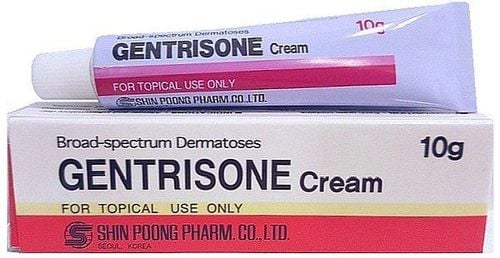
The skin is the largest organ of the human body, covering an average area of 1.7 square meters in adults. Using the large portion of skin as an absorption route for topical drugs to deliver drugs into the body is not a new concept. In fact, this method still maintains many advantages and advances in modern science increasingly bring many potential benefits compared to traditional routes of administration.
1. Medicines for external use
1.1. Topical medication
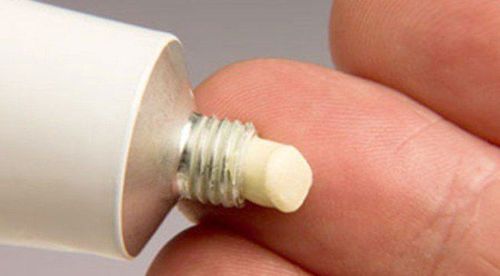
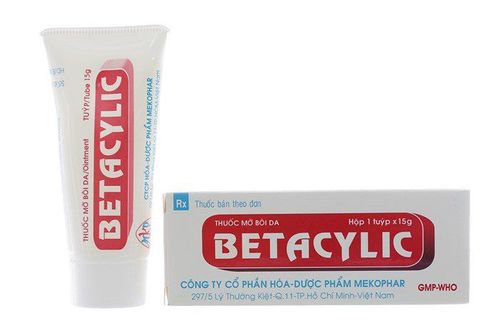
Topical medications are used topically to relieve pain, reduce swelling or prevent infection. Since the beginning of recorded history, ancient people have known how to use poultices from medicinal plants to wrap wounds and soothe pain. Today, gels, creams, foams and ointments are forms of medicine that are applied directly to the area that needs treatment. Not only that, antibiotics, antibacterials, anti-inflammatories and others can also be applied topically, targeting the nerves involved without passing through the digestive system or significantly affecting general circulation.
1.2. The drug penetrates through the skin
Transdermal drugs are another type of medication applied to the skin, typically in the form of a patch which is more modern and has a more complex route of action than topical drugs. The first transdermal drug, scopolamine, to treat motion sickness has been used for a long time. This is considered a major step forward in transdermal drug delivery, marking a milestone that has been achieved since then.
On the other hand, transdermal drug delivery systems can also deliver drugs through the skin from outside the application site into the bloodstream. Once in the blood, the ingredients will circulate and exert their effects at a targeted location, such as the brain, central nervous system, heart, etc. The drug is distributed evenly and can be stopped by simply removing the device or patch. Because the body does not have to digest the drug through the stomach, more of the drug reaches the bloodstream and there is less risk of side effects.
2. Mechanism of action of topical medications
The mechanism of action of topical drugs is promoted in many different ways, based on appropriate drug preparation forms. Thanks to the choice of drug delivery vehicle, depending on the anatomical location to be treated and the condition of the skin, topical drugs will achieve the most optimal mechanism of action, bringing high treatment efficiency while still ensuring safety and limiting unwanted effects for the patient.
2.1. Ointment
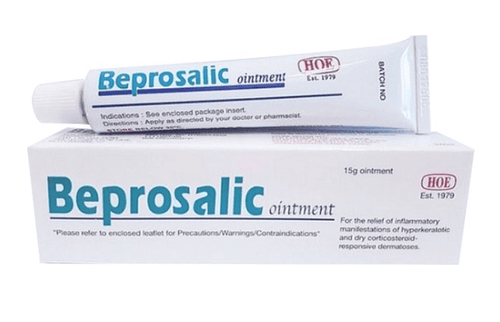
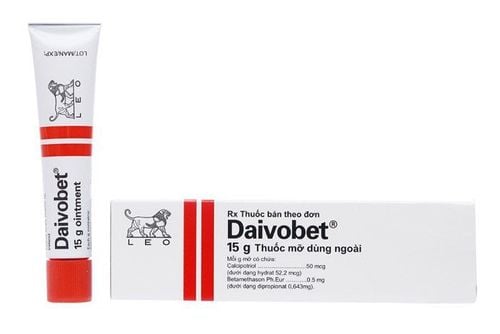
Ointments are semi-solid dosage forms consisting of lipids, such as white soft paraffin BP, which have occlusive and emollient properties. Some ointments contain additional emulsifiers such as polyhydric alcohols (macrogols, polyethylene glycol) or cetostearyl alcohol. This type has the advantage of being less greasy, has solvent properties, and has a mechanism of action that penetrates the skin and is easily washed away.
Ointments are a form of topical medication that require very few preservatives than other forms because they do not contain water and do not maintain an environment favorable to the growth of microorganisms.
SEE MORE: Topical antibiotic ointment: Don't be careless
2.2. Moisturizing cream
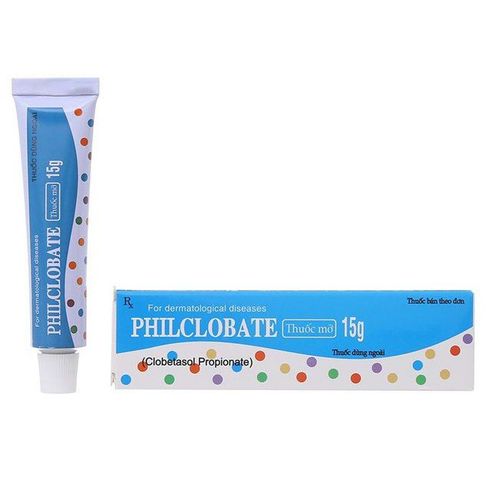
This is a semi-solid emulsion containing both lipid and water. This preparation can be presented as a liquid cream or a soluble cream, can be mixed with water, helps gently cool and provides a good absorption mechanism into the skin, promoting local effects.
Another type is water-in-oil cream, which cannot be mixed with water and is more difficult to wash off. The mechanism of action of this form is as an emollient, a lubricant and is mildly occlusive (but less than an ointment).
2.3. Paste
Pastes are semi-solid preparations containing proportions of finely powdered material such as zinc oxide or starch. The paste is greasy, insoluble in water and also has a good absorption mechanism into the skin.
Accordingly, this dosage form is used as a means to cover, protect and moisturize a certain area of skin. Sometimes the texture of the paste can be "softened" by adding oil or "hardened" with hard paraffin.
2.4. Skin care cream
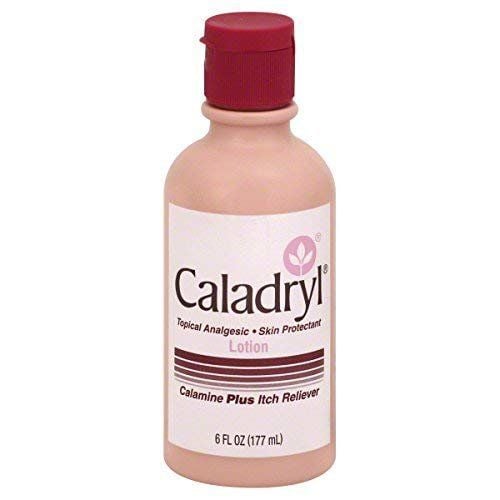
These are liquid preparations, usually simple suspensions or solutions of the drug in water, alcohol or other liquids. These types often contain alcohol so they will sting, especially when applied to damaged skin areas.
When applied to the skin, the mechanism of action of the lotion is through the rapid evaporation of the liquid that acts as a solvent, leaving a layer of medicine on the surface of the skin. Therefore, sometimes these two ingredients can separate when the bottle is left alone for a long time, requiring the user to shake before each use.
2.5. Types of gels
Gel can be considered a thick cream. They are semi-solid preparations containing macromolecular polymers, such as carboxypolymethylene or methylcellulose.
Creams and gels have a special mechanism of action suitable for treating diseases of the scalp and other hairy skin areas in general. Like lotions, gels tend to dry when left on the skin. In addition, the gel can also be prepared in specialized formulas for use on hairless skin areas.
SEE MORE: Note the use of topical medications for people with hand, foot and mouth disease
2.6. Flour
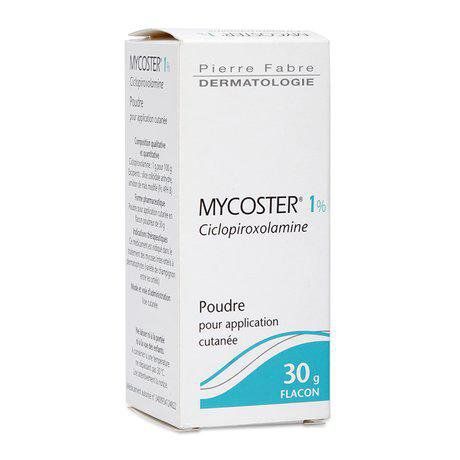
Topical medications can also be prepared in powder form. The mechanism of action of this preparation is to help reduce friction (talc powder) or improve excessive moisture (hygroscopic powder). Furthermore, this form of preparation is sometimes chosen to prepare drugs such as antifungal drugs applied to the foot area.
2.7. Paint
Paints are liquid preparations, which can be water or alcohol solutions. The mechanism of action of this type of preparation often requires use with appropriate tools such as a brush on the skin or a spray tube that creates a mucous membrane and then evaporates quickly, leaving a layer of medicine on the skin area to be treated.
3. Advantages of using topical medications
Some advantages of using topical medications are as follows:
- Provides quick local effects
- Limit adverse effects on other organs if used systemically
- Essential in treating conditions where stable and continuous drug concentrations in the body are required, such as pain management, smoking cessation, stimulant addiction, diabetes, etc.
- Used for patients who are vomitting and cannot continue taking medicine
- In unconscious patients - a patch can easily be applied (or removed) as needed
- Favorable for use in patients for whom adherence to treatment may be a problem
In short, dermatologists have the good fortune to work on the body's most accessible organ. This brings many advantages in the research and application of topical medications groups. From there, patients receive more benefits in the treatment of skin diseases and other systemic diseases, when the mechanism of action of topical drugs increasingly promotes many advantages.
To arrange an appointment, please call HOTLINE or make your reservation directly HERE. You may also download the MyVinmec app to schedule appointments faster and manage your reservations more conveniently.