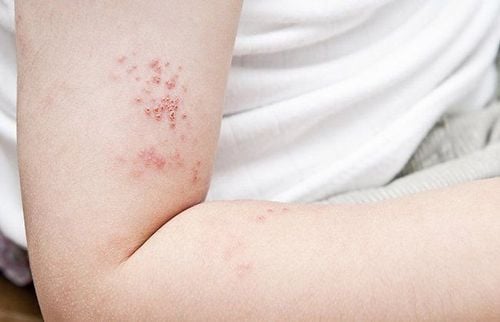
Shingles (Herpes Zoster occurs in individuals with a history of chickenpox. After recovering from chickenpox, the virus remains dormant in nerve tissues near the spinal cord and brain, waiting for the immune system to weaken before reactivating as shingles.
1. What is shingles?
Shingles is a condition that affects individuals who have previously had chickenpox, often many decades earlier. Both shingles and chickenpox are caused by the varicella-zoster virus. Chickenpox manifests as a blister-like rash, typically beginning on the back, chest and face before spreading to other areas. Shingles, on the other hand, presents as a painful rash, usually on one side of the body. The rash progresses into fluid-filled blisters that turn red. These blisters typically dry up and form scabs within 7 to 10 days.
2. Symptoms of shingles

Early symptoms of shingles include:
- Fever, chills and headache
- Itching
- Raised red spots on the skin
- Dull or sudden pain
- Tingling sensation in or under the skin
- Abdominal discomfort
It is essential to seek medical attention when these symptoms appear. Although shingles cannot be cured, treatment can reduce the risk of complications, such as prolonged nerve pain after the rash heals, known as postherpetic neuralgia.
3. Causes of shingles
The varicella-zoster virus first enters the body, causing chickenpox. Both children and adults can contract it. After recovery, the virus moves to nerve tissues near the spinal cord and brain, where it remains dormant. At times, the virus "reactivates," traveling along nerve fibers to the skin and causing shingles, also called herpes zoster.
4. Risk Factors for Shingles

A weakened immune system can trigger the virus to reactivate. You may be at higher risk of shingles if you:
- Are 50 years or older
- Are experiencing high levels of stress
- Have cancer, HIV, or other immune-compromising conditions
- Have a history of severe physical trauma
- Take long-term steroids or other immune-suppressing drugs
However, many people who develop shingles have no known risk factors.
5. Complications of shingles
Shingles can lead to complications that persist after the rash resolves, including:
- Encephalitis or facial paralysis if the nerves are affected
- Eye complications and vision loss if the rash appears in or around the eye
- Postherpetic neuralgia, which affects 1 in 5 people with shingles
6. Complications of Shingles
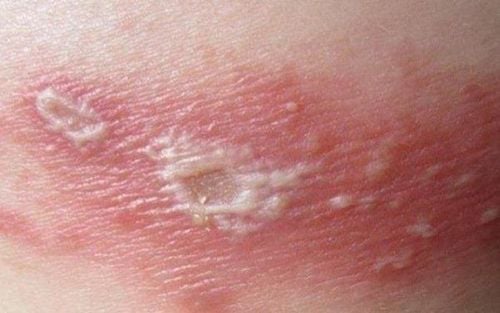
Shingles can be transmitted to people who have never had chickenpox and are unvaccinated. Once the blisters form scabs, the virus is no longer contagious. To prevent spreading the virus, those infected should avoid contact with pregnant women, newborns, and individuals with weakened immune systems.
7. Shingles Vaccines
The FDA has approved two vaccines for shingles prevention: Shingrix and Zostavax. Shingrix is the newer and preferred vaccine, with an efficacy rate above 90%. The CDC recommends that people aged 50 and older receive the Shingrix vaccine—even if they have had shingles before. Younger adults should also consider vaccination, even if previously immunized with Zostavax.
8. Diagnosis of Shingles
Doctors diagnose shingles based on medical history, symptoms and physical examination. In some cases, laboratory tests can confirm the presence of the varicella-zoster virus by analyzing fluid samples from blisters.
9. Treatment for Shingles

Antiviral medications can speed up recovery and lower the risk of complications. These drugs are most effective when taken within 72 hours of the rash appearing. Doctors may prescribe one of the following antiviral drugs based on the severity of the case:
- Acyclovir (Zovirax)
- Famciclovir (Famvir)
- Valacyclovir (Valtrex)
Additional pain relief treatments for shingles may include:
- Anticonvulsants such as Gabapentin (Neurontin)
- Antidepressants such as Amitriptyline
- Oatmeal baths
- Cold compresses
- Soothing lotions
- Topical anesthetics like lidocaine
- Over-the-counter pain relievers such as acetaminophen or ibuprofen
- Prescription painkillers like codeine
Shingles can lead to serious complications if not diagnosed and treated in a timely manner. If you experience any of the symptoms above, visit a medical facility for examination, testing, treatment or vaccination as necessary to prevent complications.
With years of expertise in medical examination and treatment, Vinmec International Hospital is one of the leading healthcare centers capable of screening and treating complex diseases. To enhance service quality, Vinmec offers varicella vaccination services. All vaccines are imported, have clear origins and are stored in GSP-standard environments, ensuring optimal quality. Patients can visit Vinmec International Hospital for consultations and services.
Reference source: webmd.com
To arrange an appointment, please call HOTLINE or make your reservation directly HERE. You may also download the MyVinmec app to schedule appointments faster and manage your reservations more conveniently.