These are common questions among parents. Onions can be introduced as soon as a baby is ready to start solid foods, typically around six months old. Parents may consider feeding their infants steamed onions with rock sugar. However, some may be concerned about the safety of onions for babies. This article discusses when to introduce onions to a baby’s diet, how to do it safely, their benefits, and onion-based baby food recipes.
1. Should Onions Be Used in Baby-Led Weaning? Benefits of Onions
1.1. Onions in a Baby’s Weaning Diet
Onions are widely used as a seasoning in various dishes. This vegetable enhances flavor and texture in food preparations while its phytochemical profile offers long-term health benefits. That’s why many delicious dishes start with a bit of onion—stews, tacos, salsa, soups—onions are in everything! Given the many recipes incorporating onions, parents often wonder, “Are onions suitable for my baby’s weaning diet?”
Choosing the right time and method for introducing solid foods to babies can be challenging for parents. Fortunately, introducing onions to a baby’s diet is relatively simple.
Due to their firm texture and strong flavor, onions may not be the first food that comes to mind for baby-led weaning. However, according to the American Academy of Pediatrics (AAP), there is no strict order for introducing different solid foods. Pediatric nutritionist Grace Shea confirms, “Onions can be safely introduced when a baby starts eating solid foods, typically around six months old.” According to the AAP, signs that indicate a baby is ready for solid foods include:
- The baby can hold their head up independently.
- The baby can move food from a spoon into their throat.
- The baby opens their mouth when food approaches.
- The baby’s birth weight has doubled.
Once a baby meets these criteria, parents can consider adding onions to their meals.
1.2. Benefits of Onions for Infants
Onions are a healthy food choice for all age groups, including infants! Pediatric nutritionist Grace Shea states, “Onions contain several nutrients beneficial to infants, such as fiber and prebiotics, which aid digestion.” A small onion contains approximately 1 gram of these nutrients, which may seem minimal, but considering that infants only require about 5 grams per day, it is significant.
Additionally, onions are a good source of vitamin C, providing about 5 milligrams (mg) per small onion—approximately 10% of the daily recommended intake of 50 mg for infants aged 7 to 12 months. Sufficient vitamin C intake supports collagen production, neutralizes harmful free radicals, and helps maintain immunity. Onions also provide small amounts of folate, vitamin B6, and potassium.
Due to their distinct flavor, onions may not be easy to incorporate into baby foods. However, apart from their nutritional benefits, onions offer the advantage of being sodium-free and containing no artificial ingredients.
2. How to Select and Store Onions for Baby Food Preparation
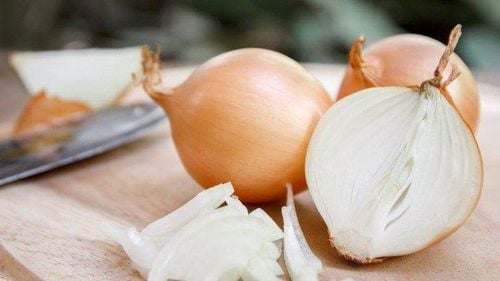
2.1. Tips for Choosing Onions
- Select firm onions with a thin, papery outer layer.
- Avoid onions with bruises, cuts, or blemishes. They should be free of black or gray mold and visible sprouts.
- Discard onions that are excessively dry, wet, or soft when touched.
- Choose sweeter onion varieties for infants, as they have sensitive taste buds.
2.2. Tips for Storing Onions
- Store whole dry onions in a dark, dry, well-ventilated place at approximately 77°F (25°C), away from direct sunlight.
- Keep onions in cardboard boxes or paper bags, ensuring they are at least a foot away from walls for proper air circulation.
- Do not store onions in plastic bags or airtight containers, as poor ventilation reduces shelf life.
- Avoid storing onions with moisture-releasing foods such as potatoes, which can make onions damp and mushy.
- Do not refrigerate whole onions, as they absorb moisture and become mushy.
- Peeled and chopped onions can be stored in an airtight container in a cool place, such as a refrigerator, for up to a week. However, this is not recommended as it may lead to nutrient loss.
3. Onion-Based Recipes for Babies
3.1. Precautions When Preparing Onions for Babies
- Serve onions in the form of pureed, cooked onions or mix them into various dishes such as soups, stews, grains, and porridges in small quantities.
- Start by adding a teaspoon of onions to food and gradually increase to one or two tablespoons as per the recipe.
- Once the baby becomes accustomed to the taste and can digest onions well, gradually introduce them into other baby meals.
- Although rare, onion allergies can occur. Symptoms may appear immediately after touching or consuming onions, including skin rashes anywhere on the body, coughing, wheezing, vomiting, and diarrhea.
- If the baby has a family history of allergies, especially to foods in the allium family (garlic, leeks, shallots, asparagus, and chives) or certain pollen types, consult a doctor before introducing onions.
- Babies with sensitive digestive systems may experience FODMAP intolerance after eating onions, even when cooked. Common symptoms include bloating, abdominal distension, and colic.

- Be cautious and check ingredient lists on packaged foods such as soups and curries, which may contain onion powder.
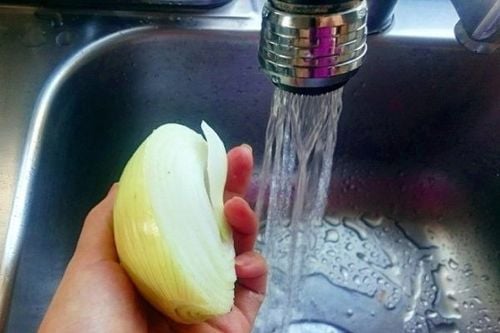
- Wash peeled onions thoroughly under running water before cooking or serving raw to toddlers. Washing helps remove any surface germs but should not be excessive, as it may lead to nutrient loss.
- Cut onions into small pieces when used as finger food to prevent choking hazards.
3.2. Healthy Onion-Based Baby Food Recipes
Pumpkin, Carrot, and Onion Puree
Ingredients:
- ½ small pumpkin (peeled, chopped, and steamed)
- 2 teaspoons carrot (peeled, chopped, and steamed)
- 1 teaspoon shallot (peeled, minced, and steamed)
Instructions:
- Blend all ingredients into a smooth, lump-free puree using a food processor or blender.
- Add water to adjust consistency. Serve warm.
Green Pea Onion Soup
Ingredients:
- 100ml low-sodium vegetable broth
- 50g shallots (sliced)
- 30g frozen green peas
- 1 teaspoon dried thyme
- 2 tablespoons olive oil
Instructions:
- Heat olive oil in a pan over medium heat and sauté onions for 10–15 minutes.
- Add thyme, peas, and vegetable broth, then simmer for 15–20 minutes. Remove from heat.
- Blend into a smooth soup using an immersion blender.
- Pour into a bowl, add a bit of cream or milk, and serve immediately.
- You can add cooked pasta, quinoa or cooked oats to this toddler recipe.
Baked Onion Rings
Ingredients:
- 1 white onion (sliced into rings)
- 1 egg (beaten)
- 50g whole wheat flour
- 50g breadcrumbs
- 80ml unsalted buttermilk
- 2 tablespoons cornstarch
Instructions:
- Mix buttermilk and onion rings in a bowl, cover, and refrigerate for at least six hours.
- Preheat the oven to 392°F (200°C). Line a baking tray with parchment paper.
- Combine flour and cornstarch in a large resealable bag.
- Remove onion rings from buttermilk, place them in the bag, seal, and shake until evenly coated.
- Dip each ring into beaten egg, then coat with breadcrumbs. Arrange on the baking tray.
- Drizzle with oil or butter and bake for 15 minutes.
- Serve immediately with homemade hummus, ketchup, or dip.
Steamed Onion with Rock Sugar for Babies
Ingredients:
- 20g rock sugar
- ½ onion
Instructions:
- Peel and thinly slice the onion. Crush rock sugar into small pieces and mix with the onion.
- Steam for 30 minutes, let cool, and serve.
Onions are a flavorful food that can enhance both the taste and nutritional value of meals. You can introduce onions to infants and toddlers in various age-appropriate forms. Onion bread, onion soup, pureed onions, and steamed onions with rock sugar are some onion-based recipes you can prepare for your baby or toddler. Additionally, onions can be incorporated into other dishes such as eggs, rice, pasta, curry, and stews.
For more health, nutrition, and beauty tips, visit Vinmec International General Hospital to safeguard the health of yourself and your loved ones.
Reference source: momjunction.com, healthline.com
To arrange an appointment, please call HOTLINE or make your reservation directly HERE. You may also download the MyVinmec app to schedule appointments faster and manage your reservations more conveniently.