Eye cancer is a rare disease that can occur in people of all ages, both adults and children. Like other types of cancer, early-stage eye cancer often does not show clear clinical symptoms and becomes more apparent in later stages. Therefore, the treatment of eye cancer does not yield high effectiveness and significantly affects vision.
1. Overview of Eye Cancer
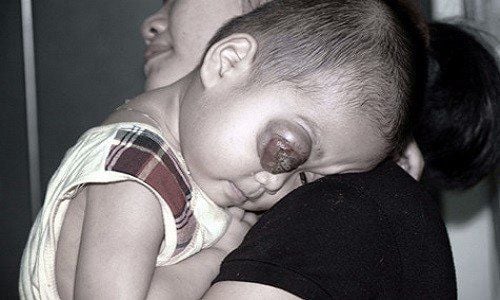
Eye cancer can affect both adults and children. In adults, eye cancer can originate from various cells, including conjunctiva, lacrimal glands, intraocular cancer, and can develop from the back of the eye, known as posterior eye cancer. In children, it is commonly caused by retinoblastoma, which originates from immature cells of the retina and is most often seen in children around the age of 3.
Eye cancer is dangerous because, in many cases, while the disease can be treated to preserve life, it often results in the loss of one or both eyes. Early detection is crucial to minimize the risk of having to surgically remove the eyeball and to preserve vision.
However, like other cancers, eye cancer is difficult to recognize in its early stages unless carefully monitored, especially in young children who may not be able to express their symptoms clearly.
2. Signs of Eye Cancer
2.1. Signs of Eye Cancer in Adults
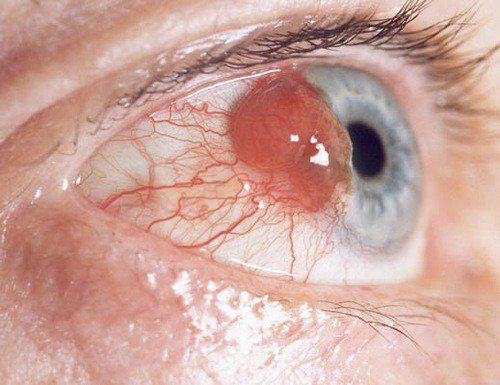
In the early stages, malignant tumors in the eye may not cause any symptoms. As eye cancer progresses, some signs may become noticeable:
• A dark spot appears on the iris or conjunctiva
• Blurred, distorted vision, or a clear reduction in vision
• Loss of visual field: Blind spots appear in the peripheral vision
• Sensitivity to light and flickering lights
• Changes in the shape of the pupil
• Presence of an abnormal mass on or inside the eye
• One eye protruding outwards
• Pain in the eye socket, tearing
2.2. Signs of Eye Cancer in Children
The most common form of eye cancer in children is retinoblastoma. This condition is most frequently seen in young children under 2 years old, but it can still occur in other age groups. The symptoms of retinoblastoma in children include:
• A white pupil, strabismus
• Different colors in the two pupils
• Severe eye socket pain due to increased intraocular pressure, though this symptom is less common
• Abnormal vision loss, where the child cannot see clearly or seems to have an obstruction. If the child is school-aged, there may be a noticeable drop in academic performance.
• The disease is often detected through photographs of the child. When looking at a photo of the child, one eye may have a typical red-eye effect from the camera flash, while the other eye reflects white.
3. Can Eye Cancer Be Treated?
Eye cancer can be treated with fairly positive results. However, there are still many cases where it is necessary to remove the eyeball to preserve the patient's life. In our country, most patients seek medical attention when the disease has advanced, making it difficult to preserve the eye and resulting in a lower survival rate compared to early-stage detection.
Possible treatments for eye cancer include:
• Surgery: This may involve removing part of the eyelid or a wider area around it, as well as the surrounding skin of the eye. In cases where the cancer has invaded the eyeball and eye socket, all components inside the eye socket may need to be removed.
• Radiation Therapy: Using radiation to kill cancer cells. Care must be taken to avoid damaging the organs in the eye socket, especially in cases where the eye can be preserved.
• Chemotherapy: A method of using drugs to kill cancer cells, often combined with radiation therapy in the treatment of eye cancer.
• Supportive Treatments: These include boosting the immune system and treating other symptoms, combined with the main treatments to reduce discomfort for the patient.
Thus, eye cancer can be treated, and in some cases, the eyeball can be preserved to ensure vision if detected early and depending on the type of eye cancer.
4. What to Do When There Are Signs of Eye Cancer
Since the signs of eye cancer may not be clear, especially in young children, if a child shows signs of unusual vision loss, detects abnormalities in both eyes when taking photos, or has a family history of eye cancer, it is essential to take the child to an ophthalmologist for examination.
Early detection is extremely valuable for effectively treating eye cancer in children and preserving their vision in the future.
The symptoms of eye cancer are often difficult to detect in the early stages, but they can be recognized through certain signs of vision changes. Therefore, it is crucial to pay attention to any unusual changes in vision, especially in young children.
To arrange an appointment, please call HOTLINE or make your reservation directly HERE. You may also download the MyVinmec app to schedule appointments faster and manage your reservations more conveniently.