When a woman has not menstruated for 12 months, she is considered menopausal. Symptoms may persist and gradually decrease over time. Evening primrose oil is a treatment method to alleviate pain and discomfort during menopause.
1. What is evening primrose oil?
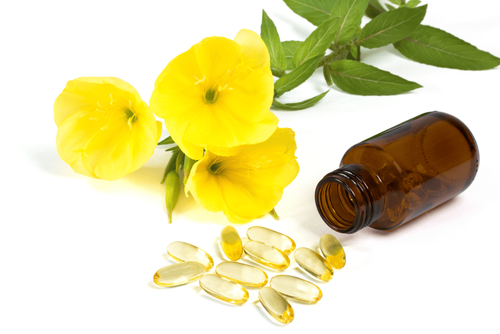
Evening primrose is a flowering plant native to North America, but it can also be found in Europe and the Southern Hemisphere. The evening primrose has yellow petals and blooms in the evening.
Historically, Native Americans used evening primrose for medicinal purposes. The leaves were employed to treat minor wounds and sore throat, while the entire plant was utilized for treating bruises.
Modern medicine utilizes extracts from evening primrose seeds in supplements to treat eczema and premenopausal symptoms. Evening primrose oil (EPO) is rich in fatty acids.
2. How to use evening primrose oil

The body requires a balance of nutrients and fatty acids to function optimally. Omega-3 and omega-6 fatty acids are essential for brain function and musculoskeletal health. These fatty acids can only be obtained through diet and products such as evening primrose oil.
Evening primrose oil contains high levels of gamma-linolenic acid (GLA) and linolenic acid, both of which are omega-6 fatty acids. This acid has anti-inflammatory properties.
Evening primrose oil can be taken orally or applied topically to wounds. Consultation with a physician regarding dosage is advised. Excessive dosages may lead to adverse effects.
3. Side effects of evening primrose oil
Short-term use of evening primrose oil has been shown to be completely safe. However, this oil should not be supplemented for prolonged periods.
Evening primrose oil may cause several side effects, including:
• Abdominal pain
• Stomach pain
• Headaches
• Nausea
• Diarrhea
• Allergic reactions
• Hemorrhage
• Seizures.
Medical professionals recommend using this oil supplement without concomitant medications. The combination with other medications may cause bleeding, increase the risk of seizures, and reduce the efficacy of the accompanying medications.
When utilizing this product for wound healing, evening primrose oil has very few side effects; however, allergic reactions may still occur. Moreover, the use of evening primrose oil aids in hormone balance, reducing sexual desire in women.
4. Supplementation of Evening Primrose Oil for Perimenopausal Women

PMS, or premenstrual syndrome, is characterized by somatic and behavioral symptoms during the menstrual period in women. The symptoms commonly associated with PMS include anxiety, depression, acne, fatigue, and headaches. Insomnia and suicidal ideation are severe symptoms linked to perimenopausal disorders. Approximately 85% of perimenopausal women are affected by these symptoms.
PMS is characterized by over 150 clinical symptoms (behavioral, psychological, and physical), which include cyclical breast pain, headaches, back pain, discomfort, depression, food aversion, and irritable bowel syndrome during the luteal phase of the menstrual cycle. Low levels of prostaglandin E1, caused by a deficiency of essential fatty acids, result in heightened sensitivity to prolactin, which is produced at ovulation and increases during the luteal phase.
The therapeutic efficacy of evening primrose oil in managing PMS has been the subject of numerous clinical trials. The linoleic acid found in evening primrose oil promotes prostaglandin synthesis and mitigates PMS symptoms. The first report on the efficacy of evening primrose oil for PMS was a meta-analysis conducted in 1994. This meta-analysis included seven randomized controlled trials, of which five clearly demonstrated randomization.
Of the seven randomized clinical trials, only two were well-controlled studies; however, the small sample sizes of these studies limited definitive conclusions regarding the effectiveness of evening primrose oil for PMS. The sole finding of this meta-analysis was the safety of administering 3-6g of evening primrose oil daily in individuals with PMS.
In another study, the efficacy of 180 mg/d of linoleic acid was compared with a placebo regarding clinical symptoms in 28 women with PMS across three luteal phases. Participants in the placebo group were given vegetable oil devoid of linoleic acid.
Blood samples from three cycles, along with symptom severity and duration, were compared across groups. Levels of stearic acid, oleic acid, dihomo-gamma-linolenic acid, palmitic acid, and gamma-linolenic acid in plasma phospholipids significantly decreased during the follicular and luteal phases.
Irritable bowel syndrome is the most common symptom reported by perimenopausal women, followed by breast tenderness and somnolence. After treatment, participants in the linoleic acid group exhibited higher concentrations of gamma-linolenic acid and dihomo-gamma-linolenic acid in plasma phospholipids compared to the placebo group. The severity and duration of symptoms in perimenopausal women (physical, psychological, and social) as well as discomfort, improved in the linoleic acid group compared to the placebo group.
The use of evening primrose oil helps alleviate discomforting symptoms associated with the perimenopausal phase, such as hot flashes, irritability, anxiety, and insomnia.
Articles referenced sources: healthline.com, ncbi.nlm.nih.gov
To arrange an appointment, please call HOTLINE or make your reservation directly HERE. You may also download the MyVinmec app to schedule appointments faster and manage your reservations more conveniently.