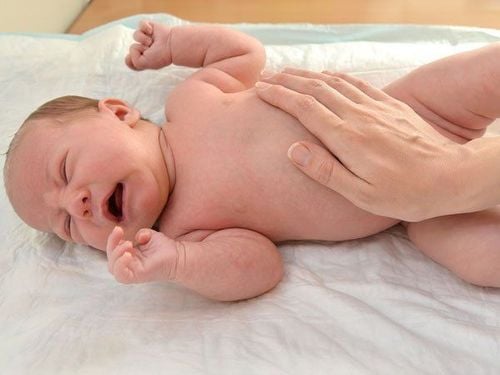
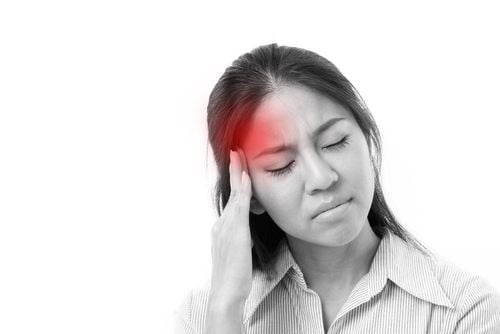
Experiencing sudden jerks during sleep is not a neurological disorder or illness but rather an involuntary muscle spasm that occurs within the first few hours of sleep. This phenomenon is often accompanied by a sensation of falling or fear during sleep. If it persists, it can affect sleep quality and lead to fatigue the following morning. So why does this happen?
1. The Phenomenon of Sudden Jerks During Sleep
Some studies indicate that up to 70% of the global population has experienced sudden jerks during sleep. This usually occurs when falling asleep too quickly. In the initial phase of sleep, breathing and heart rate slow down. However, if a person is overly fatigued, the brain progresses through this stage faster than usual. This triggers a chemical jolt, leading to the sudden jerking motion. Most people have experienced sudden jerks during sleep at some point. This phenomenon varies among individuals; some may experience mild twitches so subtle that they go unnoticed.
The characteristic of these sleep-related muscle spasms is their sudden nature, which can easily disrupt sleep, causing fragmented rest and nighttime awakenings. The primary cause of sudden jerks during sleep has not been clearly identified, despite numerous studies on this issue. Some factors believed to contribute to this phenomenon include excessive stress, high caffeine intake, or late-night exercise. Although sudden jerks during sleep often occur in individuals with poor sleep habits and routines, they can also happen to healthy individuals.
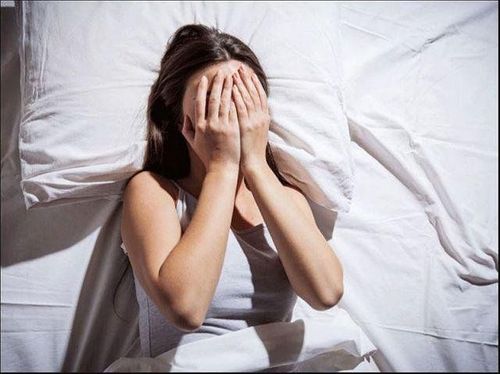
2. Causes of Sudden Jerks During Sleep
Why do sudden jerks occur during sleep? This phenomenon is a normal physiological reaction and can be prevented by understanding its causes. Some primary factors contributing to this condition include:
- Improper sleeping posture: One of the main causes of sudden jerks during sleep is sleeping in the wrong position. Sleep is a state in which the body enters rest and safety mode. If you unknowingly sleep in an improper posture, the brain may perceive this as a potential danger, leading to shallow sleep, sudden jerks, and frequent awakenings. Additionally, poor sleeping posture can cause back and neck pain, fatigue, breathing difficulties, muscle cramps, poor circulation, headaches, indigestion, heartburn, and even premature wrinkles.
- Psychological stress: Overworking during the day can lead to frequent jerks during sleep at night. Stress and anxiety put pressure on the nervous system, which sends reflex signals to the brain during sleep. People who frequently experience sudden jerks during sleep often deal with anxiety, fatigue, and stress from school or work. In reality, individuals experiencing stress are more likely to wake up suddenly at midnight and have difficulty falling back asleep.
- Excessive caffeine intake: Consuming too many stimulant beverages containing caffeine, such as coffee and green tea, at night can lead to insomnia, restlessness, and fatigue. This is also one of the contributing factors to sudden jerks during sleep. Additionally, alcoholic beverages, carbonated drinks, high-fat foods, and spicy foods can also lead to sleep difficulties.
- Calcium deficiency: Calcium plays a crucial role in bone and dental health, as well as in the nervous system, cardiovascular function, and muscle contractions. It helps regulate the balance between inhibition and excitation in the cerebral cortex. A calcium deficiency can lead to muscle spasms during sleep. Additionally, a deficiency in certain nutrients, such as vitamin B12, may also contribute to sudden jerks during sleep.

3. Ways to Prevent Sudden Jerks During Sleep
3.1 Sleeping in the Correct Position
Two sleeping positions most recommended by medical professionals are sleeping on your side and sleeping on your back in a straight position. Choosing a firm and comfortable mattress can also help improve sleep quality and reduce the occurrence of sudden jerks during sleep. Additionally, maintaining a consistent sleep schedule, sleeping early, and getting sufficient rest is essential to ensuring good sleep quality.
3.2 Preventing Sudden Jerks by Reducing Stress
There are several ways to minimize anxiety and stress, such as taking outdoor walks to breathe fresh air, listening to music, meditating, and creating a sense of calm. Meditation at home combined with soft, soothing music can also be beneficial. Moreover, it is important to avoid overworking and incorporate relaxation breaks during work hours. Avoid engaging in stressful thoughts or activities in the afternoon and evening before bedtime.
3.3 Eating a Healthy Diet for Better Sleep
A balanced diet rich in magnesium and calcium is essential for preventing muscle spasms and nerve-related issues. Maintaining a healthy and balanced diet, such as reducing sugar and salt intake while increasing fiber-rich fruits and vitamin-packed foods. Consider drinking hydrating beverages or sleep-promoting juices like banana juice, watermelon juice, cherry juice,...
Sudden jerks during sleep can be minimized by eliminating poor sleep habits that contribute to shallow sleep. Additionally, consuming essential nutrients that promote restful sleep is crucial. However, if this condition persists despite maintaining a healthy diet and sleep routine, seeking medical consultation and treatment is advisable.
In summary, experiencing sudden jerks during sleep is not a neurological disorder or illness. However, if this condition persists, it can affect sleep quality and cause fatigue the next morning. Therefore, it is essential to adopt a healthy lifestyle, maintain proper sleeping posture, avoid consuming foods and beverages containing stimulants, and, most importantly, keep a relaxed and stress-free mindset
Read more:
To arrange an appointment, please call HOTLINE or make your reservation directly HERE. You may also download the MyVinmec app to schedule appointments faster and manage your reservations more conveniently.