Article by a Biochemical physician – Laboratory Department – Vinmec Ha Long International General Hospital
SCC is an effective tumor marker for squamous cell carcinoma of the cervix, lungs, head and neck, esophagus, and anus. levated SCC levels in the bloodstream are associated with disease progression, clinical symptoms, and cancer recurrence. The SCC test is practical, aiding in early diagnosis and timely treatment, improving treatment outcomes for patients.
1. What is the SCC test?
SCC testing is an immunoassay that measures squamous cell carcinoma antigen (Squamous Cell Carcinoma Antigen, commonly abbreviated as SCCA or SCC) levels in serum or plasma.
READ MORE: Understanding the significance of SCC levels.
2. The significance of the SCC test in diagnosing and monitoring of cancer.
The primary method for diagnosing cancer is histopathological examination, while additional tests such as imaging (ultrasound, X-rays) and tumor marker quantification help support the diagnostic process. Among them, measuring tumor markers in the blood is important due to its ability to accurately quantify specific antigens associated with different tumor types, providing valuable support in cancer diagnosis, monitoring disease progression, and evaluating treatment effectiveness.
Different types of cancer are associated with specific tumor markers. SCC is a significant biomarker for squamous cell carcinoma, as increased blood SCC levels often indicate disease progression, clinical severity, and potential recurrence.
READ MORE: SCC in squamous cell carcinoma
3. What is the distribution of squamous cells in the human body, and which organs or anatomical areas are susceptible to squamous cell carcinoma?
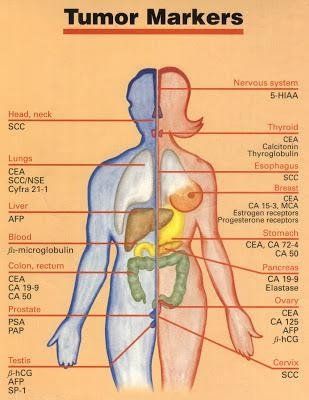
Squamous epithelial cells are the main component of the epidermis and are also present in the mucosal lining of the gastrointestinal tract, lungs, cervix, and other areas of the body.
Squamous cell carcinoma can arise in multiple locations, with common sites including the lungs, cervix, vagina, lips, oral cavity, and esophagus.
4. The significance of SCC in the diagnosis and monitoring of squamous cell carcinoma.
SCC is normally present in the body and circulates in the bloodstream at minimal levels. The reference values depend on the testing method, with variations between different laboratory instruments. For instance, normal SCC levels are ≤3 ng/mL using the Cobas analyzer and ≤2 ng/mL using the Architect system.
Plasma SCC levels are typically elevated in cases of cancer:
4.1. Cervical squamous cell carcinoma
In cases of cervical squamous cell carcinoma (SCC), the sensitivity of SCC as a biomarker is around 70-74%. Increased SCC levels occur in 45-83% of cervical SCC patients, 66-84% of recurrent cervical SCC cases, 56% of adenosquamous carcinoma cases, and 0-23% of adenocarcinoma cases. Higher SCC levels generally indicate more advanced cervical SCC. Plasma SCC levels exceeding 30 ng/mL after treatment are associated with a higher risk of recurrence and reduced survival time. After surgical intervention combined with radiotherapy, SCC levels typically normalize within three days. A rise in SCC levels post-surgery indicates a high recurrence risk (up to 92%).
4.2. Lung cancer
In lung cancer diagnosis, SCC is commonly used in conjunction with other tumor markers such as NSE, CYFRA 21-1, and CEA to differentiate between lung cancer subtypes.
The highest frequency of elevated SCC levels is seen in squamous cell lung carcinoma (39-78%), followed by non-small cell lung cancer (33-61%), large cell lung carcinoma (18%), small cell lung carcinoma (4-18%), and adenocarcinoma (15-42%).
Regarding clinical sensitivity: in squamous cell lung carcinoma: SCC has a sensitivity of 76-78%, higher than CEA (31-63%), in non-small cell lung cancer: SCC has a sensitivity of 41%, lower than CEA (70%); in small cell lung carcinoma: SCC has a sensitivity of 10%, significantly lower than NSE (73%).
There is a correlation between SCC plasma levels and the severity of squamous cell lung carcinoma. Post-surgical SCC levels typically decrease, whereas an increase in SCC after surgery may indicate cancer recurrence.
4.3. Esophageal cancer
The sensitivity of SCC as a tumor marker for esophageal cancer ranges from 30-39%, with increasing sensitivity as the disease progresses: 0-27% (stage I); 20-40% (stage II); 39 - 61% (stage III); 45 - 50% (stage IV)

4.4. Skin cancer
SCC is markedly elevated in the majority of squamous cell carcinoma cases.
4.5. Head and neck squamous cell carcinoma
In head and neck squamous cell carcinoma, the sensitivity of SCC ranges from 34% to 78%.
4.6. Penile cancer
In penile cancer, the sensitivity of SCC is 45%.
Additionally, elevated SCC levels may be observed in other malignancies, including cancers of the breast, endometrium, ovaries, vulva, vagina, rectum, pancreas, and anus.
In certain benign conditions, plasma SCC levels may show a mild increase. This can be observed in patients with liver cirrhosis, pancreatitis, kidney failure, and benign pulmonary diseases such as chronic bronchitis, chronic obstructive pulmonary disease (COPD), and pulmonary tuberculosis. Additionally, SCC elevation may be present in benign gynecological disorders, otolaryngological conditions, psoriasis, dermatitis, pemphigus, or eczema.
In summary, SCC is considered a reliable tumor marker for squamous cell carcinomas of the cervix, lung, head and neck, esophagus, and anus. SCC levels in the blood tend to increase with disease progression, clinical severity, and recurrence. SCC testing is simple and effective in early diagnosis, timely intervention, and treatment monitoring.
To arrange an appointment, please call HOTLINE or make your reservation directly HERE. You may also download the MyVinmec app to schedule appointments faster and manage your reservations more conveniently.