
1. Wrist Dislocation
A wrist dislocation, also known as a wrist subluxation, occurs when the joint surfaces are displaced from their normal anatomical position due to abnormal movement of the bone ends. While dislocations can occur in various joints, they are most common in synovial joints.
Dislocations are relatively common injuries that can affect people of all ages. They often result from improper movement during sports, daily activities, or physical labor. If not treated properly, a wrist dislocation can lead to serious complications such as bone fractures, vascular injury, nerve damage, infection, or even joint degeneration.
The primary cause of wrist dislocation is ligament injury, typically due to a sudden or repetitive strong force applied to the wrist. When a ligament is torn, the wrist loses its structural stability, allowing the carpal bones to shift out of place, resulting in a dislocated joint. This injury is often accompanied by the following symptoms:
- Local Symptoms in the Wrist
- Persistent and intense wrist pain.
- Noticeable swelling and edema around the wrist
- Visible misalignment or deformity of the hand or wrist
- Functional Impairments:
- Difficulty moving the wrist as usual.
- Reduced ability to rotate the wrist
- Inability to grip or lift heavy objects
If the dislocation is not properly reduced and immobilized, and the wrist continues to be used in the following days, the condition may worsen. Pain typically intensifies with movement, and wrist mobility becomes increasingly restricted, leading to significant limitations in daily activities.
2. What Should You Do If You Dislocate Your Wrist?
Proper management of a wrist dislocation is crucial to avoid serious complications. If you suspect a wrist dislocation, the following steps should be taken:
- Stop all wrist movements immediately to prevent further injury.
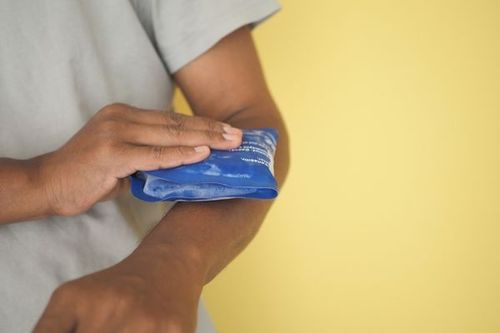
- Apply a cold compress to reduce pain and swelling. Do not place ice directly on the skin, as it can cause frostbite. Instead, wrap the ice in a towel or cloth before applying it to the affected area.
- Do not attempt to reposition the joint yourself unless you are a trained medical professional.
- To temporarily immobilize the wrist, you may use rigid materials such as a thin wooden stick, a ruler, or a splint. Secure it with a bandage or a soft cloth to keep the wrist stable during transportation.
- Seek medical attention as soon as possible. The patient should be taken to the nearest medical facility for evaluation and treatment by healthcare professionals.
3. Treatment for Wrist Dislocation
3.1 Initial Emergency Management
The first step in managing a wrist dislocation—or any joint dislocation—is to assess and stabilize life-threatening conditions, such as shock due to pain or blood loss. Once the patient is stabilized, pain relief should be administered promptly.
In suspected open dislocations, the wound should be covered with a sterile dressing to reduce the risk of infection. Tetanus prophylaxis and broad-spectrum antibiotics are recommended.
In many cases, surgical debridement and wound irrigation are necessary to minimize the risk of infection.
For moderate to severe wrist dislocations, joint immobilization with a splint is essential to control pain and prevent secondary injuries to nearby nerves, blood vessels, and soft tissues due to joint instability.
3.2 Joint Reduction
There are two main techniques for joint reduction: closed reduction and open reduction. Closed reduction is the preferred method, as it does not require surgical incision to access the joint.
If closed reduction fails, surgical (open) reduction may be necessary to realign the joint. Once reduction is successfully achieved, the following post-reduction care steps are typically recommended:
- The joint is immobilized using a splint or cast.
- Cold compresses and compression bandages can help reduce swelling and pain. Ice should be wrapped in a towel or placed in a plastic bag—never applied directly to the skin—and used within the first 15–20 minutes after injury. Cold therapy can be continued for 24–48 hours post-reduction.
- Elevating the wrist for the first two days can promote venous return and minimize edema.
3.3 Immobilization
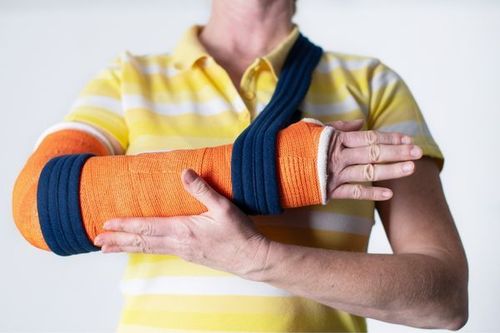
Proper wrist immobilization plays a key role in pain relief, accelerating recovery, and preventing further damage. Immobilization should cover both above and below the affected joint.Common immobilization methods include:
- Casting: Often used when the dislocation is accompanied by a simple fracture or when immobilization is needed for more than one week. Patients should seek medical attention if they experience severe pain, tightness, or numbness in the limb after casting. In cases of significant swelling, the cast may need to be split longitudinally and padded.
- Splinting: Commonly used postoperatively or in the acute phase to reduce swelling and stabilize the joint.
- Wrist braces or straps may be used to restrict motion and provide support during recovery.
Prolonged immobilization can lead to joint stiffness, soft tissue contractures, and even muscle atrophy.
To reduce these complications and support functional recovery, passive and active motion exercises should begin within a few days to weeks after injury, depending on the case.
Rehabilitation exercises aim to Improve range of motion Restore joint stability Strengthen muscles Prevent recurrent dislocation and long-term loss of function

5. How to Prevent Wrist Dislocations
In addition to knowing how to treat wrist dislocations, it is equally important to take preventive measures. Here are some ways to reduce your risk:
- Avoid lifting excessively heavy objects, especially without proper wrist alignment. Keep the wrist straight; avoid bending or twisting it unnaturally.
- Running recklessly or carelessly increases the risk of falling, and reflexively using your hands to break a fall can put intense pressure on the wrist.
- During manual labor or physically demanding tasks, always use protective gear, especially wrist guards.
- Both professional and recreational athletes should consider using wrist wraps or supports to prevent injury.
4. How Long Does It Take to Recover from a Wrist Dislocation
Recovery time varies based on several factors:Location and severity of the dislocation Whether the dislocation is open or closed Associated injuries (e.g., fractures, ligament damage) Time between injury and treatment The patient’s general health Adherence to treatment and rehabilitation protocols In most cases of acute wrist dislocation, patients recover fully within a few weeks after proper reduction and immobilization.
Strict adherence to the prescribed treatment plan is crucial for optimal recovery. Additionally, a balanced diet that includes six essential nutrient groups can support tissue healing. These include:
- High-quality protein
- Omega-3 fatty acids
- Zinc
- Vitamin D
- Calcium
- Fiber
5. How to Prevent Wrist Dislocations
In addition to knowing how to treat wrist dislocations, it is equally important to take preventive measures. Here are some ways to reduce your risk:
- Avoid lifting excessively heavy objects, especially without proper wrist alignment. Keep the wrist straight; avoid bending or twisting it unnaturally.
- Running recklessly or carelessly increases the risk of falling, and reflexively using your hands to break a fall can put intense pressure on the wrist.
- During manual labor or physically demanding tasks, always use protective gear, especially wrist guards.
- Both professional and recreational athletes should consider using wrist wraps or supports to prevent injury.
In simple terms, a wrist dislocation occurs when the carpal bones move out of their normal alignment, causing disruption to the joint structure.
If left untreated or improperly managed, wrist dislocations can lead to serious complications such as joint stiffness, arthritis, or even complete loss of wrist mobility. Early first aid and prompt medical attention are essential for successful recovery.
To arrange an appointment, please call HOTLINE or make your reservation directly HERE. You may also download the MyVinmec app to schedule appointments faster and manage your reservations more conveniently.


