
Some women use various methods to get their period earlier, and this might surprise many people. There are several valid reasons for doing so. For example, a woman may want to complete her menstrual cycle before a vacation or a special occasion. She might have an irregular cycle and want to improve predictability for pregnancy planning. Or, her period may be delayed, causing stress and anxiety. So, what to eat to make your period come sooner? The following article will provide some tips to help you have your period sooner.
1. Causes of Delayed Menstruation
A typical menstrual cycle usually ranges from 21 to 35 days. The absence of menstruation is called amenorrhea. Girls aged 15 and older and women who experience missed periods three or more times are considered to have amenorrhea.
Several factors may cause delayed periods or missed periods, including:
• Stress
• Low or high body weight
• Polycystic Ovary Syndrome (PCOS)
• Hormonal birth control
• Chronic conditions such as diabetes or Celiac disease
• Thyroid problems
• Menopause
• Pregnancy
2. Be Careful When Trying to Induce Your Period While Pregnant
Medications that promote menstruation are called emmenagogues. However, it is important to note that some emmenagogues can also have an abortion-inducing effect, leading to miscarriage during pregnancy.
Warning About Delayed Periods Due to Pregnancy
If there is any possibility that your delayed period is due to pregnancy, using emmenagogue medications to induce your period may inadvertently end your pregnancy. This is not only dangerous for the fetus but also for the mother's health. If you suspect you may be pregnant, you should not use these medications.
3. What to Eat to Have Your Period Sooner?
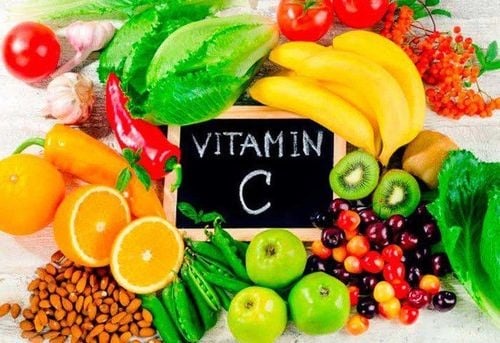
Vitamin C
Many people believe that vitamin C (also known as ascorbic acid) can bring on menstruation earlier. The reason is that vitamin C may increase estrogen levels and decrease progesterone, causing the uterus to contract and shedding the uterine lining, leading to menstruation.
While there is no concrete evidence to support this belief, you can try this method by consuming more foods rich in vitamin C, such as:
• Citrus fruits
• Berries
• Black grapes
• Vegetables like broccoli, spinach, Brussels sprouts, red and green peppers, tomatoes...
Additionally, if you choose to take vitamin C supplements, make sure to keep the dosage within the recommended safe limits. Taking too much vitamin C can be harmful to your health.

Pineapple
Pineapple is a rich source of bromelain, an enzyme believed to have an effect on estrogen and other hormones. A 2017 study suggested that bromelain may help reduce inflammation, which could help address the inflammation that causes menstrual irregularities. However, there is still limited scientific evidence to prove that consuming pineapple or bromelain will make your period come faster.


Ginger
Ginger is a traditional remedy believed to help stimulate menstruation and cause uterine contractions. However, this has not been scientifically proven yet. You can still try incorporating ginger into your daily meals or the simplest method is to brew ginger tea. To make ginger tea, boil a piece of fresh ginger, peeled and sliced, in a pot of water for 5 to 7 minutes. Strain the tea and add a bit of honey or sugar to make it more enjoyable.
Parsley
Parsley is rich in vitamin C and Apiol, which may help stimulate uterine contractions. However, Apiol can be toxic if consumed in large quantities and is particularly dangerous for pregnant women. The recommendation is not to drink parsley tea if you are pregnant, breastfeeding, or have kidney issues. To help induce menstruation, you can make parsley tea by pouring a cup of boiling water over a few tablespoons of fresh parsley and letting it cool for about 5 minutes before drinking.
Turmeric
Turmeric is another traditional remedy that many people use. It is believed to affect estrogen and progesterone levels, although there is still limited scientific research to support this claim. Nevertheless, you can try adding turmeric to your daily diet in curry dishes, rice bowls, or vegetable dishes. Alternatively, you can drink turmeric powder mixed with water or milk to make it easier to consume.


Dong Quai
Dong quai is an herb native to China and is commonly used as a medicinal herb. It is believed to help stimulate menstruation by improving blood flow to the pelvic area and stimulating the uterine muscles to induce uterine contractions. You can purchase dong quai in capsule or powder form from traditional medicine pharmacies or online.
Black Cohosh
Black cohosh is another herbal supplement you can buy to help regulate your menstrual cycle. It is thought to promote uterine contractions and stimulate the shedding of the uterine lining. Black cohosh can interact with many medications, so it is not recommended for those taking blood pressure medications, cardiovascular drugs, or those with a history of liver problems.
4. When to See a Doctor
Regardless of whether you focus on natural remedies or dietary changes, you should consult a doctor if:
• You suspect you might be pregnant.
• You have missed more than 3 consecutive periods.
• Your period stops before the age of 45.
• You still have periods after the age of 55.
• You experience bleeding between periods or after intercourse.
• Your period suddenly changes, becoming heavier or more irregular.
• You continue bleeding after menopause (more than 12 months after your last period).
• You experience bleeding while undergoing hormone replacement therapy.
Any condition of missed or delayed menstruation can be a warning sign of important health issues that require attention. Always seek expert medical advice to get a proper examination and the most suitable recommendations.
Read more:
- Side effects of emergency contraceptive pills: How long do they last?
- WHY DOES BLEEDING OCCUR DURING SEXUAL INTERCOURSE ON OVULATION DAYS?
To arrange an appointment, please call HOTLINE or make your reservation directly HERE. You may also download the MyVinmec app to schedule appointments faster and manage your reservations more conveniently.


