
This article has been professionally reviewed by doctors from the Department of General Internal Medicine & Outpatient Clinics.
Hyperthyroidism and hypothyroidism are two of the most common thyroid disorders today. Some patients initially present with hyperthyroidism, but after a period of treatment, they develop hypothyroidism if they take excessive doses of medication for a prolonged period without regular endocrine specialist follow-ups.
1. Structure of the thyroid gland and common thyroid diseases
The thyroid gland is a small, butterfly-shaped gland weighing about 20g, located in the front of the neck. Its function is to secrete hormones that regulate the body's metabolism. The two most common thyroid disorders are hyperthyroidism and hypothyroidism.
1.1. Hyperthyroidism
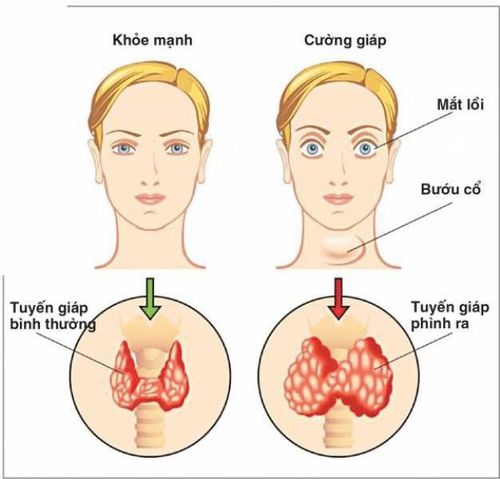
Hyperthyroidism is characterized by an overactive thyroid gland that produces an excessive amount of hormones, accelerating metabolism and causing certain organs to function excessively, such as an abnormally fast heart rate.
Symptoms of hyperthyroidism include palpitations, anxiety, hand tremors, muscle weakness, insomnia, diarrhea, goiter, eye changes (such as bulging eyes), poor concentration, and decreased libido.
Hyperthyroidism can lead to severe cardiovascular complications such as high blood pressure, heart attack, and stroke, especially in cases of thyroid storm (thyrotoxic crisis). Treatment options for hyperthyroidism include: Medication: Antithyroid drugs such as methimazole (Thyrozol) and propylthiouracil (PTU); Surgery: For cases where medication fails or is contraindicated; Radioactive iodine therapy: When neither medication nor surgery is suitable
1.2. Hypothyroidism
Unlike hyperthyroidism, hypothyroidism occurs when the thyroid gland is underactive, leading to a deficiency of thyroid hormones. This condition is more common in women over 60 years old. Early-stage hypothyroidism is often asymptomatic. However, as the disease progresses, symptoms become more evident, including: Fatigue; Constipation; Goiter; Cold intolerance; Muscle weakness; Reduced libido; Poor memory; Rapid weight gain. Patients with hypothyroidism are treated with thyroid hormone replacement therapy to compensate for the hormone deficiency.
2. When does hyperthyroidism turn into hypothyroidism?
After a period of treatment with antithyroid drugs, thyroidectomy, or radioactive iodine therapy, many hyperthyroid patients may later be diagnosed with hypothyroidism. This transition is relatively common in hyperthyroidism treatment.
In practice, doctors prescribe antithyroid drugs to suppress excessive hormone production. Some commonly used medications include Thyrozol (5 mg) and PTU (50 mg). However, if patients continue taking these medications at high doses for a prolonged period without follow-up, they may develop hypothyroidism.
Fortunately, this condition is not overly complicated or dangerous. Adjusting medication doses or adding necessary thyroid hormone replacement therapy under a doctor's supervision can effectively manage hypothyroidism and restore health. Over time, the thyroid gland may shrink as hypothyroidism resolves.
To minimize the risk of transitioning from hyperthyroidism to hypothyroidism, it is crucial to: Consult an experienced endocrinologist who can prescribe the appropriate dosage; Attend regular follow-ups as scheduled. Typically, hyperthyroid patients should have check-ups every 4–8 weeks to allow doctors to assess treatment progress and adjust medication doses accordingly.

3. Endocrine consultations at Vinmec Times City International Hospital
Both hyperthyroidism and hypothyroidism can lead to severe complications. Therefore, early thyroid screening plays a crucial role in improving treatment outcomes. Currently, the Endocrinology Department of Vinmec Times City International Hospital is a reliable destination for customers when they need to screen and treat thyroid diseases.
Vinmec Times City International Hospital is a trusted facility for thyroid disorder screening and treatment, offering:
- A team of dedicated and experienced doctors
- Comprehensive, professional healthcare services
- State-of-the-art equipment for accurate diagnosis and effective treatment
- A modern, comfortable medical environment
To arrange an appointment, please call HOTLINE or make your reservation directly HERE. You may also download the MyVinmec app to schedule appointments faster and manage your reservations more conveniently.


