

Nội dung bạn đang tìm kiếm không có phiên bản tiếng Việt.
Vui lòng chọn tiếp tục để xem nội dung tiếng Anh hoặc đi đến trang chủ Tiếng Việt.
Rất xin lỗi về sự bất tiện này.
Women's Health Center


The fetus is overweight, what to do?
Rapid fetal weight gain isn’t good for the baby or the mother. It increases the chances of needing a C-section and raises risks like gestational diabetes and complications during and after birth. So, what should a mother pay attention to when the fetus is found to be overweight?
View more

Is it okay to have sex when a newborn baby is in the same room as the parents?
The one thing you only share with your partner and no one else is sexual intimacy. It's a vital component of a marital relationship. Moreover, sexual intimacy requires a deeper level of communication that you don't have with anyone else. It necessitates both partners to share their feelings, their emotional and physical intimacy. So, can parents have sex when a newborn is in the same room?
View more
Latest articles
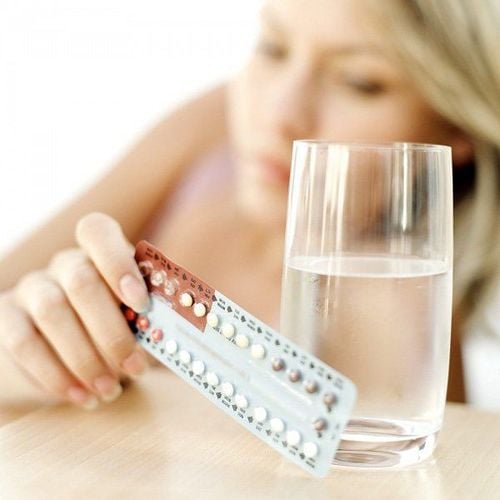
Menstrual disorders after stopping birth control
Menstrual disorders after stopping birth control are quite common, especially when stopping hormonal contraceptives. In most cases, it may take up to 3 months for a woman's menstrual cycle and fertility to return to normal. Additionally, the causes of menstrual disorders should be promptly addressed to quickly regain fertility.
View more

Heavy menstrual bleeding after childbirth
Typically, the menstrual fluid volume in a normal-amenorrheic woman ranges from 50-80 ml. However, many women experience hypermenorrhea following childbirth, with menstrual blood loss exceeding 80 ml. This condition is known as menorrhagia.
View more

Vitamin D Levels and Menopause-Related Symptoms
You might think of vitamin D like other vitamins such as vitamin C or vitamin B. However, vitamin D is unique in that it acts more like a hormone than a vitamin. Your vitamin D levels decrease as you reach menopause, potentially causing many menopausal symptoms. Vitamin D helps absorb calcium and build bones, but it is also involved in many other processes that protect you from diseases and health issues.
View more

Are lubricants for sex edible?
Lubricants are commonly used to reduce friction and enhance comfort during sexual activities. They come in various flavors, including green apple, cherry, vanilla, and more, which may resemble beverage flavors and seem edible. However, regardless of whether a lubricant is flavored or unflavored, it is essential to choose one that is safe for oral consumption. A lubricant that is not safe to ingest is also not safe to use near or inside the vagina or anus. In this article, we will provide useful information on why it is crucial to ensure that your favorite lubricant is edible and how to do so.
View more
Is it normal to experience bleeding while using vaginal suppositories?
I am experiencing vaginal itching and decided to purchase a medication. After using the suppositories for a few days, I noticed a brown discharge followed by some bloody discharge. Doctor, could you please let me know if it's normal to experience bleeding while using vaginal suppositories?
View more

Is there any natural way to increase vaginal lubrication?
Vaginal lubrication is not as “bad” as many people think, because lubrication plays a role in maintaining natural moisture for the vagina and vulva, helping with the physiological process as well as intercourse. So in case of “dryness”, what should women do to increase vaginal lubrication?
View more

Urinary Disorders in the Long Term After Cesarean Section or Vaginal Birth
Both vaginal and cesarean deliveries can cause urinary disorders after childbirth, which affect women's lives. These disorders may include postpartum urinary retention, frequent urination, urgency, and other mixed urinary disturbances.
View more

How does increased uterine artery resistance affect pregnancy?
The uterine artery plays a very important role in providing nutrition and oxygen to the fetus. When the resistance of the uterine artery increases, the pregnant woman is at risk of intrauterine growth restriction and an increased risk of preeclampsia.
View more

