Muscle cramps are common during physical activity, such as work or exercise. During activity, muscles require more minerals, and cramps occur due to mineral deficiencies. To prevent cramps, it is important to maintain sufficient levels of essential minerals through foods that support muscle function.
1. Causes of Muscle Cramps
Muscle cramps are sudden, painful contractions of the muscles. These typically occur unexpectedly and usually last from a few seconds to a few minutes.
It is common for individuals to experience muscle cramps at least once, although their causes can vary. Common causes include:
- Engaging in high-intensity exercise
- Neuromuscular disorders
- Imbalance in electrolytes
- Use of medications
- Dehydration state
- Other causes
Certain studies indicate that supplementing with minerals such as potassium, sodium, calcium, and magnesium can help mitigate muscle cramps. Furthermore, deficiencies in vitamins such as vitamin D and specific B vitamins may elevate the risk of muscle cramps. Therefore, consuming nutrient-dense foods rich in vitamins and minerals can aid in reducing and preventing muscle cramps.

2. Essential Minerals to Supplement for Preventing Muscle Cramps
- Sodium-rich foods are essential for maintaining normal fluid balance and regulating blood pressure. Sodium also works with other electrolytes to support muscle contraction and nerve function. A sodium deficiency may trigger cravings for salty foods, such as potato chips or other salty snacks. After prolonged endurance exercise, significant loss of both sodium and water occurs through sweating, making it crucial to replenish both fluids and electrolytes.
- Potassium-rich foods: Adults need 4,700 mg of potassium per day. Potassium is essential for the nervous system and proper muscle function, which is why muscle cramps can occur when potassium levels are low. Most foods contain potassium, so regular consumption of potassium-rich foods ensures adequate intake. Whole foods like fruits, vegetables, dairy, and fish are excellent sources of potassium. Bananas, melons, citrus fruits, and avocados are particularly high in potassium, while vegetables such as potatoes, sweet potatoes, and squash also provide significant amounts of this essential mineral.
- Calcium-rich foods: Calcium plays a vital role in muscle contraction, including that of the heart and blood vessels. It is also essential for nerve function. A calcium deficiency can lead to muscle cramps or weakness. The average adult requires about 1,000 mg of calcium daily. A 200ml serving of skim milk provides 244 mg of calcium. Dark leafy greens are the richest vegetable sources of calcium. In addition, almonds, figs, yogurt, and cheese are also excellent sources of calcium.
- Magnesium-rich foods: Magnesium is a mineral that stabilizes adenosine triphosphate (ATP), the primary energy source for muscle contraction. Weakness, cramps, and muscle spasms may indicate magnesium deficiency. Magnesium can be obtained from foods such as beans, nuts, whole grains, bananas, and dark leafy greens.

3. Twelve Foods That May Help Alleviate Muscle Cramps
3.1. Avocado
Avocados are a fruit rich in nutrients that may help prevent muscle cramps. They are particularly abundant in potassium and magnesium, two minerals that serve as electrolytes in the body and are essential for muscle health.
Electrolytes are charged particles required by the body for crucial functions, including muscle contraction. When the balance of electrolytes in the body is disrupted, symptoms such as muscle cramps can arise. Thus, patients who frequently experience muscle cramps should increase their intake of electrolyte-rich foods, such as avocados.
3.2. Watermelon
Dehydration is one of the contributing factors to muscle cramps. Adequate hydration is crucial for proper muscle function, as dehydration can impair the ability of muscle cells to contract, potentially causing or exacerbating cramps.
Watermelon is a fruit with an exceptionally high water content, making it an ideal hydrating snack. It is approximately 92% water and also provides a good source of magnesium and potassium for the body.
3.3. Coconut water
Coconut water is an excellent option for athletes seeking to rehydrate and naturally replenish electrolytes. It serves as a rich source of electrolytes, supplying calcium, potassium, sodium, magnesium, and phosphorus—minerals that play a role in alleviating muscle cramps.
A study demonstrated that when 10 male athletes rehydrated with a beverage containing electrolytes similar to those found in coconut water following high-intensity exercise, they experienced fewer muscle cramps caused by electrical stimulation compared to when they consumed plain water.
3.4. Sweet potato
Sweet potatoes are among the healthiest vegetables you can consume. This is because they contain a combination of vitamins, minerals, and plant compounds present in both the flesh and skin.
Sweet potatoes are an excellent source of potassium, calcium, and magnesium. These minerals are crucial for muscle function. Approximately 200 grams of sweet potatoes provide more than 20% of the recommended daily intake of potassium and nearly 13% of the recommended intake of magnesium.

3.5. Yogurt
Yogurt is a dairy product that offers numerous health benefits and is rich in nutrients such as potassium, phosphorus, and calcium.
Calcium is essential for proper muscle function, and a deficiency in calcium levels in the blood can lead to muscle-related complications, including cramps and irregular heart rhythms.
Furthermore, yogurt is a good source of protein, which is crucial for muscle growth and tissue repair. Therefore, consuming yogurt post-exercise can help replenish essential nutrients, potentially preventing exercise-induced muscle cramps and enhancing muscle recovery.
3.6. Bone broth
Bone broth, also known as bone stock, is made by simmering animal bones for an extended period, typically over 8 hours, to create a rich, concentrated liquid. Ingredients such as apple cider vinegar, herbs, and spices are often added to enhance its nutritional value and flavor.
Bone broth may help alleviate muscle cramps for several reasons:
- As a liquid, bone broth helps maintain hydration, which may reduce muscle cramps.
- It is a good source of magnesium, calcium, and sodium, which can help prevent cramps.
Research suggests that increasing the acidity of bone broth with apple cider vinegar and simmering it for over 8 hours significantly increases the concentrations of calcium and magnesium.
3.7. Papaya
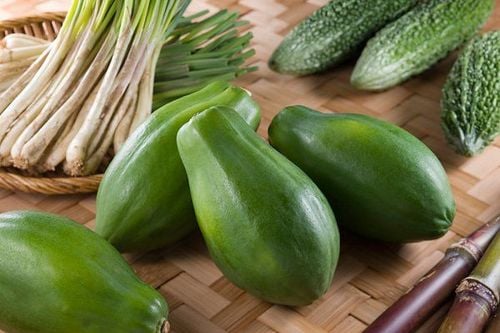
Papaya is a tropical fruit rich in potassium and magnesium. A 310g papaya provides approximately 15% of the recommended daily potassium intake and 19% of the magnesium intake. A study of 230 women found that those who experienced muscle cramps consumed less potassium than those who did not. Therefore, increasing the intake of potassium-rich foods like papaya may help reduce the risk of muscle cramps.
3.8. Beetroot
Beetroot, including its greens, is one of the most nutritious vegetables you can consume. It provides various nutrients that support muscle health and may reduce the risk of muscle cramps.
Approximately 144 grams of cooked beet greens provide over 20% of the recommended daily intake of potassium and magnesium. They are also a rich source of calcium, phosphorus, and vitamin B, all of which are essential for muscle function.
Furthermore, beet greens contain nitrates, compounds that aid in enhancing vascular function and ensuring adequate blood flow to muscles. Optimizing blood circulation can alleviate muscle cramps.
3.9. Fermented foods
Fermented foods, such as pickles and kimchi, are often high in sodium and other nutrients that may help reduce muscle cramps. Research suggests that consuming pickle juice can help alleviate muscle cramps caused by electrolyte imbalances in athletes.
Fermented foods like pickles and kimchi are rich in electrolytes, particularly sodium, making them a beneficial option for patients prone to muscle cramps.
3.10. Salmon
Salmon is a rich source of protein, anti-inflammatory healthy fats, and other essential nutrients that can aid in preventing muscle cramps, including vitamin B, potassium, magnesium, and phosphorus.
Salmon is also abundant in iron, a vital mineral required for the production of healthy blood cells, oxygenation of muscle tissues, and blood circulation, all of which are crucial for preventing muscle cramps.
Furthermore, salmon is an excellent source of vitamin D, with 100g of wild-caught salmon containing 85,555 mcg of vitamin D. Adequate levels of vitamin D in the bloodstream are crucial for optimal muscle function, and a deficiency in this nutrient may lead to muscle symptoms such as soreness, cramping, and weakness.

3.11. Smoothie
Smoothies are an excellent choice for those who frequently experience muscle cramps. They not only hydrate but can also be tailored to include various nutrients that support muscle health.
For instance, a smoothie with hydrating fruits, spinach, almond butter, and yogurt can provide the vitamins and minerals your muscles need to function optimally.
Moreover, nutrient-rich smoothies help prevent muscle cramps by keeping your body hydrated and properly fueled.
3.12. Sardines
Sardines may be small in size, but they are an excellent source of nutrition. These small fish are rich in essential nutrients like calcium, iron, phosphorus, potassium, sodium, magnesium, and vitamin D, which can help prevent and alleviate muscle cramps.
Sardines are also a good source of selenium, a mineral crucial for muscle function. Low selenium levels may contribute to muscle weakness or other muscle-related issues. Therefore, it is important to ensure adequate intake of selenium-rich foods, such as sardines, in your diet.
Muscle cramps are a painful condition that many people experience. If you frequently experience muscle cramps, consider incorporating the foods listed above to help prevent this condition naturally. If your symptoms persist, seek medical advice to determine the underlying cause and receive appropriate treatment.
Vinmec International General Hospital, equipped with modern facilities and a team of experienced doctors, ensures that patients can receive high-quality diagnosis and treatment.
Read more:
- Understanding abdominal muscle cramps during exercise
- Be Cautious of Frequent Muscle Cramps in Growing Children
- WHAT NUTRIENTS IS THE BODY LACKING WHEN IT FREQUENTLY EXPERIENCES MUSCLE CRAMPS?
To arrange an appointment, please call HOTLINE or make your reservation directly HERE. You may also download the MyVinmec app to schedule appointments faster and manage your reservations more conveniently.