
Almost everyone will experience back pain at some point in life. Many factors affect the spine and cause back pain. Below are 14 tips to help you prevent and reduce back pain in daily life.
This article is professionally advised by MSc, MD. Le Duong Tien — General Internal Medicine Physician, Department of Medical Examination & Internal Medicine, Vinmec International General Hospital, Da Nang. Dr. Tien has many years of experience in musculoskeletal internal medicine.
1. Better Sleep Helps Reduce Back Pain
Back pain can make it harder to fall asleep, and lack of sleep can worsen back pain. Poor sleeping posture can also exacerbate back pain. Try sleeping on your side with a pillow between your knees to keep your spine aligned and reduce back strain. If you prefer lying on your back, place a pillow under your knees. Finally, sleep on a mattress that feels comfortable.
2. Sitting Posture to Reduce Back Pain
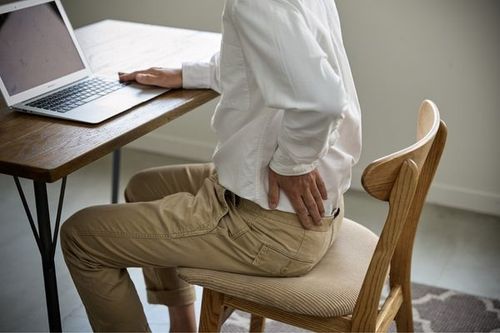
Poor sitting posture can worsen back pain, especially if sitting for long periods. Sit upright with relaxed shoulders, feet flat on the floor, and back supported by the chair. You may try placing a pillow or rolled towel behind your lower back and on the seat
2. Over-the-Counter Pain Relievers
Two types of OTC pain medication can help relieve back pain: Nonsteroidal anti-inflammatory drugs (NSAIDs) and acetaminophen. Both have side effects and may not be suitable for everyone. Consult a doctor or pharmacist before use. Do not expect painkillers alone to solve the problem. Studies show multiple treatments are often necessary.
3. Prescription Pain Medication
Some people may need prescribed NSAIDs or opioids for pain relief. Inform your doctor or pharmacist if you take other medications to avoid overdose or drug interactions. Muscle relaxants may be prescribed to reduce pain and muscle spasms.
4. Prescription Pain Medication
Some people may need prescribed NSAIDs or opioids for pain relief. Inform your doctor or pharmacist if you take other medications to avoid overdose or drug interactions. Muscle relaxants may be prescribed to reduce pain and muscle spasms.

5. Antidepressants
Even without depression, doctors may prescribe antidepressants as part of chronic low back pain treatment. Although the exact mechanism is unclear, these drugs may influence chemical messengers affecting pain signals.
6. Physical Therapy
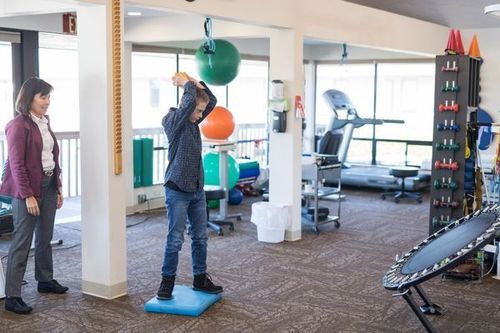
Physical therapists can teach you how to sit, stand, and move to keep your spine straight and reduce pressure on your back. They may also guide specialized exercises to strengthen core muscles (abdomen, hips, lower back) that support the back. A strong core is one of the best ways to prevent worsening back pain. Research shows increasing strength, flexibility, and endurance can reduce pain.
7. Avoid excessive rest
Previously, doctors often advised rest for back pain. Now, prolonged bed rest is thought to worsen back pain and cause complications. Doctors recommend avoiding lying down for more than one or two days. You should get up and gradually resume movement. Exercise such as swimming, walking, or yoga is effective in relieving back pain.
8. Cold and Heat Therapy
Applying cold packs to painful areas can reduce pain and inflammation from injury. Use this several times a day for up to 20 minutes each time. Wrap ice packs in a thin towel to protect skin. After a few days, switch to heat therapy. Applying heat packs or warm baths can relax muscles and increase blood flow. Do not fall asleep while using heating pads to avoid burns.

9. Manual Therapy
Recent studies show weekly massage for 10 weeks improves pain and mobility in chronic back pain patients. Benefits last about six months but decrease after one year. Spinal manipulation by licensed practitioners may help correct spinal structural problems and restore movement.
10. Nerve Stimulation
Doctors may include acupuncture in treatment plans for chronic back pain if other methods fail. Another option is Transcutaneous Electrical Nerve Stimulation (TENS), which uses mild electrical pulses delivered to nerves to block pain signals.
11. Talk Therapy
Cognitive Behavioral Therapy (CBT) has proven effective short- and long-term for chronic back pain. CBT addresses patients’ thoughts about physical activity and reasons for avoiding exercise, helping them increase regular activity. Patients undergoing CBT report reduced pain and disability.

12. Biofeedback
Biofeedback uses special devices to train your brain to control bodily responses to pain, such as breathing, heart rate, blood flow, and muscle tension. Studies suggest biofeedback is more effective than medication in reducing back pain intensity by about 30% without side effects.
13. Spinal Injections
Doctors may prescribe spinal injections to reduce back pain. Various drugs, such as corticosteroids, can decrease inflammation and pain. Dosage limits per year exist to avoid side effects.

14. Back Surgery
If a herniated disc compresses nerves, surgery may be necessary to remove part of the disc. Laminectomy (spinal canal opening) may be recommended to relieve nerve or spinal cord pressure. Spinal fusion may stabilize the spine. Like all surgeries, these procedures carry risks and are not always successful; therefore, surgery is usually a last resort.
References: webmd.com
To arrange an appointment, please call HOTLINE or make your reservation directly HERE. You may also download the MyVinmec app to schedule appointments faster and manage your reservations more conveniently.


