Coccyx pain is a common condition causing discomfort in the lower part of the spine. Although most cases do not severely affect daily life, intense and prolonged pain can lead to significant inconvenience and reduce quality of life.
This article is authored by Prof, MD. Philippe Macaire – Senior Advisor in Anesthesia and Pain Management at Vinmec Healthcare System – Department of Anesthesia and Pain Control, Vinmec Times City International General Hospital.
1. What is the Coccyx?
Located below the sacrum, the coccyx is the final segment of the spine, consisting of 3 to 5 fused vertebrae. It serves as the attachment site for numerous tendons, muscles, and ligaments. When sitting, both the coccyx and the ischial tuberosities – which together form the base of the pelvis – bear the entire body weight. The coccyx is positioned below the sacrum at the bottom of the spine.
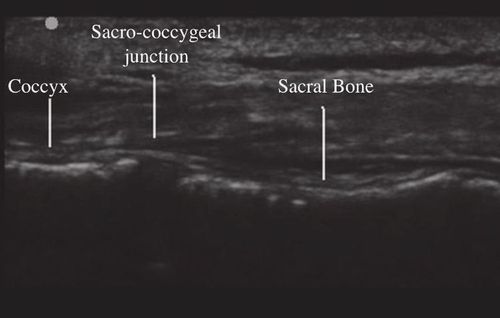
In about two-thirds of adults, the coccyx is slightly curved rather than straight. However, excessive curvature beyond the normal range can lead to pain.
2. Common Progression of Coccyx Pain
Coccyx pain (coccydynia) can range from mild discomfort to sharp pain, lasting weeks, months, or even longer. Pain often worsens during activities such as sitting, standing, bowel movements, or sexual intercourse. However, most cases improve without becoming chronic, especially with appropriate home treatment.
Coccyx pain is a widespread health issue in the community. Women are five times more likely to develop it than men. Adults and adolescents are more susceptible than children.
Overweight or obese individuals are thrice as susceptible to developing coccyx pain than people of a healthy weight. Rapid weight loss in these individuals may also cause unwanted tissue damage.
3. Causes of Coccyx Pain
The causes of coccyx pain include:
- External trauma: such as falls leading to bruises, fractures, or dislocation of the coccyx.
- Internal factors: like difficult childbirth or prolonged sitting on hard or narrow surfaces.
- Other factors: including infections, abscesses, or tumor formation.
More specifically, coccygeal pain can be classified further:
- Trauma from falls: Falling backward, whether from slipping, falling from a ladder, or sitting too far back on a chair, can injure the coccyx, causing bruises, fractures, or dislocations depending on severity.
- Repeated pressure injuries: Sports requiring frequent forward and backward bending, such as cycling or rowing, can overstretch the tissues around the coccyx.
- Pregnancy and childbirth: During the last trimester, the body produces a hormone that softens the joint between the sacrum and coccyx, allowing mobility during delivery. However, this also stretches muscles and ligaments excessively, leading to pain as the soft tissue loses their elasticity and can no longer support the coccyx.
- Obesity: Excess weight increases pressure on the coccyx, pushing it backward and out of its normal position, causing pain.
- Being underweight: Lack of fat in the buttocks causes direct friction between the coccyx and surrounding soft tissues, resulting in inflammation and pain.
- Prolonged sitting on hard or narrow surfaces: This increases pain in the coccyx area; regularly changing posture and using cushioned seats can help. Choosing a comfortable seating position or using a soft cushion can also be a solution
- Cancer: Rarely, tumors may manifest as coccyx pain.
- Other diseases: Conditions such as Levator syndrome, pelvic floor dysfunction, or lumbar disc degeneration can also cause coccyx pain.
Despite identifying many causes, about one-third of coccyx pain cases remain idiopathic.
4. Symptoms of Coccyx Pain
Patients typically experience
- aching or sharp pain in the coccyx area, which worsens when changing from sitting to standing or sitting for prolonged periods.
- Pain may also occur during bowel movements or sexual activity.
Due to increased fetal weight, pregnant women often feel pressure in the pelvic area, leading to coccyx pain. This is a sign suggestive of pregnancy. Coccyx pain may also intensify during menstruation. Chronic coccyx pain may also be related to rectal pain.
5. Is Coccyx Pain Dangerous
Coccyx pain causes significant discomfort in activities of daily living such as walking, sitting, standing, and turning.
Pain may worsen during bowel movements (especially constipation), sexual intercourse, or exercise. Women may experience more severe pain during menstruation. Therefore, patients experiencing abnormal pain around the coccyx should consult a doctor promptly for diagnosis and treatment.
6. Diagnosis
Doctors take a detailed history of recent trauma or childbirth and conduct a physical examination focusing on the coccyx and sacrococcygeal joint to detect abnormalities such as fractures, deformities, tumors, or abscesses.
Palpation of the coccyx is an important part of the exam. Imaging tests may be used to reach a definitive diagnosis, these tests may include:
- X-rays
- CT scans
- MRI
- bone density measurements
7. Treatment of Coccyx Pain
Most cases improve without specific treatment, aided by gentle movement to reduce pressure on the coccyx. Changing sleeping positions to lying on the side can also reduce pain.
Coccyx pain can negatively affect sitting, driving, bending, and even sleep. About 90% of patients improve with home treatment, including:
- Using nonsteroidal anti-inflammatory drugs (NSAIDs) like ibuprofen to reduce pain and inflammation.
- Reducing sitting time and leaning forward while sitting.
- Warm baths to relax muscles and relieve pain.
- Using cushioned seats shaped like wedges or "donut" cushions to support sitting posture.
- Stool softeners to ease bowel movements and reduce pain.
- Stretching exercises targeting the lower back and pelvic muscles.
- Applying hot or cold compresses for 20–30 minutes multiple times a day.
- Wearing loose, comfortable clothing.

Outpatient treatments include
- Nerve block injections guided by ultrasound, using local anesthetics and corticosteroids to numb and reduce inflammation around the coccygeal nerves, providing immediate relief. For chronic pain, neurotoxin injections may be used for longer-lasting effects lasting several months.
- Massage therapy may offer relief, but this is only temporary.
- Physical therapy focusing on posture correction and muscle stretching is recommended.
- Specialists may realign severely displaced coccyx.
- Surgery is rarely required.

To arrange an appointment, please call HOTLINE or make your reservation directly HERE. You may also download the MyVinmec app to schedule appointments faster and manage your reservations more conveniently.