
This article is expertly advised by Doctor Ngo Dac Thanh Huy - Cardiologist - Department of Medical Examination & Internal Medicine - Vinmec Da Nang International General Hospital.
The circulatory system has an important function, maintaining the body's life. To ensure that circulatory system function is maintained, three important factors are needed including blood volume, blood vessels and heart. Just a change in the above factors can affect circulatory system function.
1. What is the function of the circulatory system?
The circulatory system contains important components of the body, whose main functions include:
- Transports nutrients and oxygen to cells.
- Transport substances that are excretory products out of cells.
- Role in the immune system helps the body fight infectious diseases.
- Transport hormones to target organs.
- Regulates body temperature due to the warm blood source that warms the organs and is responsible for removing heat from the body, stabilizing pH and maintaining homeostasis.
The circulatory system includes the systemic circulation and the pulmonary circulation:
- Pulmonary circulation: Blood, after exchanging oxygen in the cells, is deoxygenated and brought into the right atrium, from where the blood is transferred to the right ventricle and pumped into the pulmonary artery to go to the lungs. In the lungs, blood releases CO2 and absorbs oxygen and returns to the heart through the pulmonary veins.
- Systemic circulation: Blood from the pulmonary circulation through the pulmonary vein is oxygen-rich blood, enters the left atrium, then from the left atrium to the left ventricle. The heart contracts, pumping blood from the left ventricle into the aorta, which distributes it throughout the body. After exchanging with cells in tissues in the body, blood returns to the right atrium through the superior vena cava and inferior vena cava, ending the systemic circulation.
Circulatory system function is extremely important for the body, maintaining the body's life. To ensure these functions, important factors are needed to maintain and ensure the best operation of the circulatory system.
2. Factors ensuring circulatory system function
To ensure the operation and functions of the circulatory system, it is necessary to have the completeness of three elements including the heart, vascular system and blood volume.
2.1 Circulatory volume
Blood volume, also called blood, is used to transport oxygen and nutrients, O2 gas to cells, carry waste from cells back and escape through excretory organs such as the respiratory system and kidneys.
When there is a cause that leads to decreased circulating volume, it will cause hypovolemic shock. Hypovolemic shock is a life-threatening condition caused by circulatory failure, resulting in inadequate oxygen delivery to meet the metabolic demands of cells, leading to cellular and tissue hypoxia.
Blood volume may decrease due to dehydration, blood loss, diarrhea, fever...
If the loss of fluid in the body occurs quickly or for a long time, it will lead to shock. Fluid loss needs to be replaced by drinking or intravenous infusion to ensure circulatory function.
2.2 The heart
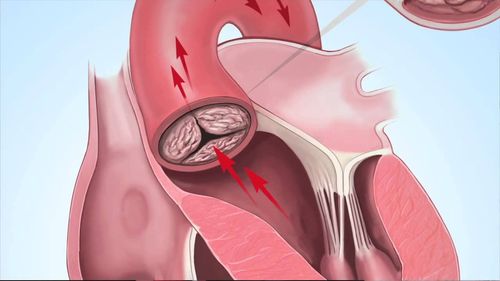
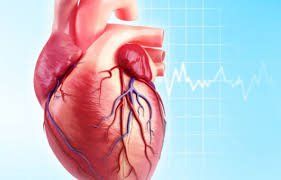
The heart is located in the chest, has a leftward orientation, is a hollow muscle mass, heart weight is about 300 grams, divided into 4 chambers including 2 atria and 2 ventricles:
- The right atrium and left atrium, with thin walls, receive venous blood and send it to the ventricles.
- The right ventricle and left ventricle, with thick walls, pump blood into the arteries at high pressure. The wall of the left ventricle is twice as thick as the wall of the right ventricle, due to the high pressure of sending blood into the aorta.
- The two atria are separated by the interatrial septum, and the two ventricles are separated by the interventricular septum.
- Between the ventricles and atria is separated by the atrioventricular valves. On the left side there is a mitral valve separating the left atrium and left ventricle, on the right side there is a tricuspid valve separating the right ventricle and right atrium. It helps blood flow in one direction from the atria to the ventricles.
The main function of the heart is that when the heart contracts, it creates pressure to push blood into the arteries, thereby nourishing the body. The heart operates automatically, regulated by the autonomic nervous system and nourished by the coronary artery system.
2.3 Vascular system
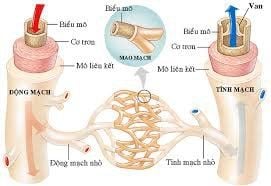
The vascular system functions to transport blood to organs and from organs to the heart. The vascular system includes arteries, arterioles, capillaries, veins and venules.
- Arteries have the function of carrying blood from the heart to the organs, the function of transporting blood under high pressure, so the artery wall is composed of 3 layers of very strong muscle and has the ability to stretch to create contraction pressure to push blood to circulate. As the arteries move farther away from the heart, they divide into small branches that carry nutrients and oxygen to nourish organ tissues. Arterial blood pressure is the pressure of blood in the arteries. Blood flowing in the arteries is the result of two opposing forces, the blood pushing force of the heart and the resistance force of the arterial wall. If arterial blood pressure remains stable, blood from the arteries can nourish the organs. Conversely, if blood pressure is low and the blood cannot nourish the organs, it can lead to death. If the arterial blood pressure is too high, causing great pressure on the vessel walls, there is a risk of vessel wall rupture. If the vessel wall ruptures in the brain, it can cause cerebral hemorrhage…
- Arterioles: Are the last small branches of the arterial system, acting as valves to regulate blood flow to capillaries depending on the blood needs of that organ. The vessel wall can completely close off the blood flow or expand to allow more blood to pass through thanks to the strength of the arteriole wall.
- Capillaries: Capillaries have thin walls and are permeable to small molecules. In the capillaries, nutrients, gas, hormones... exchange with tissues.
- Venules: From capillaries, blood flows into blood vessels with thin walls called venules.
- Veins: Venules gather to form large veins. Vein walls have 3 layers like arteries but are thinner and more easily dilated. The layers of the vein wall include:
- The innermost layer is the endothelial cell layer with each protruding segment forming semicircular folds facing each other to form venous valves, the purpose of which is to direct blood to flow in one direction toward the heart. Venous valves are present in the limb veins and are absent in small veins, veins from the brain, or veins from the viscera.
- The middle layer consists of connective fibers and muscle fibers.
- The thin outer layer consists of elastic connective fibers. Has good elasticity.
Thus, to ensure circulatory function, three important factors are needed: the heart, the vascular system and circulatory volume. An abnormal change in any of the three factors causes a decline in the function of the circulatory system, which can be dangerous to the patient's life.
Please dial HOTLINE for more information or register for an appointment HERE. Download MyVinmec app to make appointments faster and to manage your bookings easily.
References source: Vietnam Heart Association
To arrange an appointment, please call HOTLINE or make your reservation directly HERE. You may also download the MyVinmec app to schedule appointments faster and manage your reservations more conveniently.