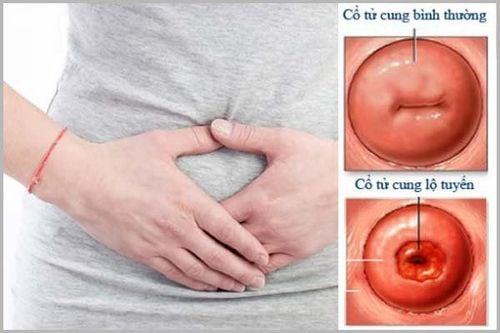

Cervical ectropion is a benign condition in the cervix that can lead to serious issues such as fallopian tube adhesions and endometritis, increasing the risk of infertility. Currently, there are various treatment methods based on the extent of the ectropion, including stages 1, 2, and 3.
This article is professionally consulted by Specialist level I, MD Truong Nghia Binh - Obstetrics and Gynecology Department - Vinmec International General Hospital, Da Nang.
1. What is Cervical Ectropion?
Cervical ectropion, also known as cervical erosion, is a benign condition in the cervix where glandular cells from the cervical canal grow and spread outside the cervix, causing damage.
Patients with this condition may experience increased vaginal discharge, itching, abnormal discharge, or discharge with odor, making them more susceptible to infections.
This condition is common in women who have had sexual intercourse, those in their reproductive years, or women who have recently given birth. However, there are also cases of congenital cervical ectropion.

2. Causes of the Condition
Cervical ectropion can arise from congenital factors or various other factors in life. Below are some common causes:
- Improper hygiene of the intimate area: This is a leading cause of many gynecological health problems in women. Doctors recommend maintaining proper hygiene by using water or women's hygiene products daily, especially after sexual intercourse and during menstruation.
- Unsafe sexual practices: Unprotected sex or having multiple sexual partners can lead to serious health problems. Moreover, unprotected sex also increases the risk of contracting sexually transmitted diseases (STDs) such as gonorrhea, syphilis, genital warts, and, most dangerously, HIV.
- Having other gynecological infections: Conditions like vaginitis, cervicitis, or genital warts can increase the risk of developing cervical ectropion.
- Excessive gynecological procedures: Gynecological procedures like abortion, improper insertion of intrauterine devices, etc., can cause cervical damage, allowing bacteria to invade and cause infection.
- Hormonal changes: Hormonal imbalances in the body can lead to cervical ectropion. Women who use birth control pills, have recently given birth, or are perimenopausal or postmenopausal are more likely to experience hormonal changes.
- Failure to undergo regular gynecological check-ups: Skipping regular gynecological health checks due to embarrassment or carelessness can result in late detection of the condition, making treatment more difficult.
Failure to undergo regular gynecological check-ups can lead to late detection of disease
3. Stages and Symptoms of the Condition
3.1 Stage 1
This is the initial stage of cervical ectropion. In this stage, the glandular cells from the cervical canal begin to grow outward, making the cervix a place where bacteria can easily thrive and multiply.
At stage 1, the damage to the cervix is about 30%. Symptoms are usually unclear and hard to detect. Since the inflammation and ulceration are not widespread, there is minimal impact on daily activities and sexual function.
Signs at this stage include: Increased vaginal discharge, even outside of ovulation, with the discharge being green, yellow, or cloudy white, accompanied by bubbles and a foul smell, as well as itching in the intimate area. However, these symptoms do not definitively indicate cervical ectropion as they can also occur with other gynecological conditions.
Therefore, patients experiencing these symptoms should visit reputable hospitals for a proper diagnosis.
If cervical ectropion is detected at stage 1, the chance of full recovery is very high. However, if left untreated, the condition could worsen and lead to complications like cervical cancer and infertility.

3.2 Stage 2
At stage 2, cervical ectropion presents as moderate damage, where the affected area covers about 50 to 70% of the cervix. Along with symptoms similar to stage 1, such as itching and increased vaginal discharge, some patients may also experience pain and soreness in the vulva and bleeding after intercourse.
If untreated, stage 2 cervical ectropion can lead to serious complications like yeast infections, fallopian tube blockages, or cervicitis. This stage also provides a breeding ground for viruses causing sexually transmitted diseases, which can further damage the cervix.
The condition causes a shift in the vaginal pH, leading to sperm destruction before meeting the egg, which increases the risk of infertility. Additionally, the disease could progress to cervical cancer if left untreated.
At this stage, gynecologists will typically treat the infection first and then use methods like laser cauterization or cryotherapy to remove the infected glandular cells.
3.3 Stage 3
Stage 3 cervical ectropion is the most severe form of the condition, severely affecting the patient's health. At this stage, the affected area covers more than 70% of the cervix, and the symptoms are more intense, with a higher likelihood of complications during treatment.
Severe symptoms include:
- Bleeding after intercourse: The infected area extends outside the cervix, and intercourse may cause cervical abrasions leading to bleeding.
- Increased vaginal discharge with abnormal characteristics, such as yellow discharge with foul odor.
- Abnormal vaginal bleeding: Due to congestion in the cervical area, bleeding can occur outside the menstrual cycle.
- Pain in the lower abdomen, including the pelvic area, waist, and lower abdomen, resembling menstrual cramps.
- Difficult urination, frequent urination, and a painful, burning sensation during urination.
- Reduced libido, menstrual irregularities, and fatigue.

In stage 3, treatment must be initiated as soon as symptoms appear, and patients will need to use advanced methods for optimal results.
The chosen treatment will depend on the patient's response to the treatment regimen. Doctors may prescribe medication (oral or vaginal) or perform cauterization to remove the infected tissue, but cauterization is only done after the infection is cleared.
However, cauterization can lead to consequences such as scarring, narrowing of the cervical canal, menstrual blood retention, and complications with conception and childbirth in the future. Therefore, patients should select the treatment method based on their individual situation.
In conclusion, cervical ectropion is classified into three stages, from mild to severe. Early detection, especially at stage 1, is crucial for effective treatment. Therefore, women should seek medical attention immediately if they experience any suspected symptoms of cervical ectropion for timely diagnosis and effective treatment.
Read more:
To arrange an appointment, please call HOTLINE or make your reservation directly HERE. You may also download the MyVinmec app to schedule appointments faster and manage your reservations more conveniently.