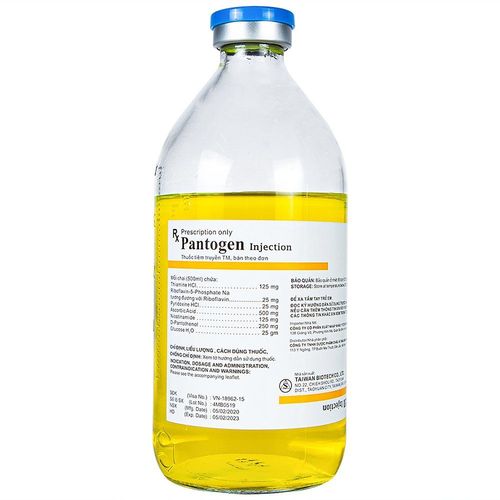
Consumers should be cautious with skin lightening or whitening products (including whitening cosmetics and skin whitening injections). These products have a high chance of containing ingredients that are not safe for the body and may not have the desired effect.
1. What are skin whitening injections?
Skin whitening injections essentially introduce substances into the body that can inhibit melanocyte pigment cells to make the skin progressively lighter. Many people prefer this beauty method because whitening agents enter the body faster and in greater quantities (compared to topical cosmetics or oral supplements), resulting in more noticeable effects. However, whether or not to use injectable skin lightening and whitening products is currently a controversial issue.
2. Risks associated with skin whitening
Skin whitening injection products are commonly advertised in retail stores and beauty spas. These products are injected intravenously, intramuscularly, or subcutaneously with claims that they will whiten skin, even out skin tone, and reduce dark spots and melasma. Some products even claim to support treatment of conditions such as liver disorders and Parkinson's disease.
Many consumers may not be aware that all drugs on the market require approval from the Drug Administration - Ministry of Health. Currently, this agency does not approve any skin whitening injection products due to unidentified ingredients and unproven effectiveness.
Beyond the potential risks from the products themselves, improper or unsafe injection practices can transmit diseases, cause infections, anaphylactic shock or lead to serious injuries for the person receiving the injection.
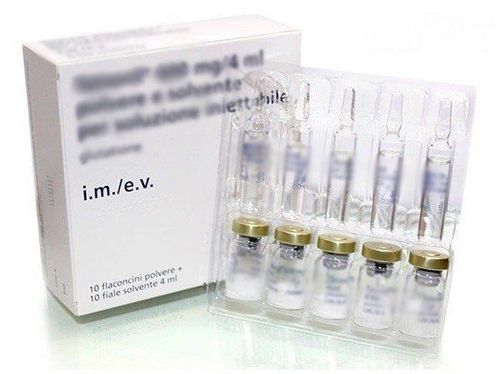
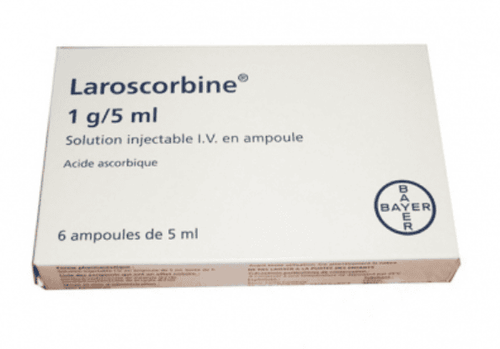
In 2017, a US company called Flawless Beauty was ordered by a federal judge to stop selling and urgently recall many new products because they had not been reviewed and posed health risks to consumers. Skin whitening cosmetics were sold under brand names such as Relumins, Tatiomax, TP Drug Laboratories, Laennec, Saluta, Tationil and Laroscorbine...
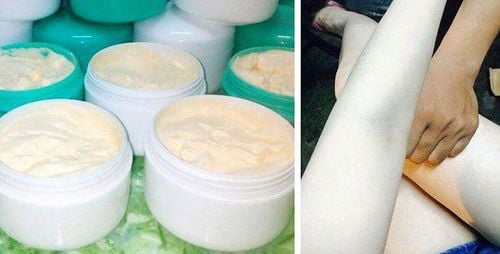
In practice, many cosmetic companies and individuals advertise and market skin whitening injection products, skin whitening cosmetics containing glutathione, L-cysteine, tranexamic acid, collagen, sheep placenta, vitamin C... on online platforms. These products are often claimed to have beautifying effects and raise skin tone, but dermatologists warn consumers to be cautious with such products. Their safety and effectiveness have not been proven, so consult a doctor before deciding to use any new medication.
If you are using any skin whitening cosmetics or skin whitening injections and experience side effects, whether mild or severe, see a doctor for examination and advice as soon as possible. There are also many products on the market that have been tested and licensed by the Drug Administration - Ministry of Health to treat certain skin conditions, such as hyperpigmentation (which darkens the skin) and facial melasma (causing patches on the face). These products are determined to be safe and effective for treatment purposes; you can schedule an appointment with a dermatologist for specific support.
To arrange an appointment, please call HOTLINE or make your reservation directly HERE. You may also download the MyVinmec app to schedule appointments faster and manage your reservations more conveniently.