As a derivative of vitamin A in the retinoid family, retinol is considered a key cosmetic active ingredient and is commonly found in over-the-counter skin care products. Retinol can accelerate cell turnover, penetrate the skin, and stimulate collagen production, aiding in acne treatment, antibacterial effects, and reducing hyperpigmentation on the skin's surface.
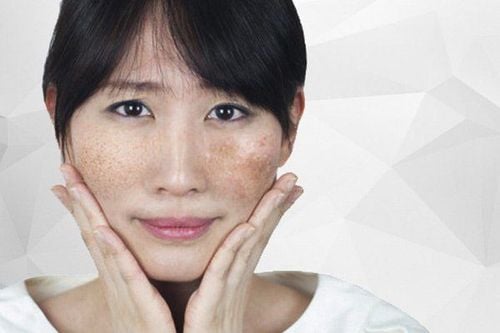
1. Is Retinol Effective for Treating Hyperpigmentation?
Among the vitamins known for treating hyperpigmentation, Vitamin A stands out due to its ability to reduce dark spots, wrinkles, and scars effectively. Additionally, Vitamin A helps nourish the skin from within, promotes skin regeneration and repair, accelerates cellular turnover, and stimulates collagen production, resulting in healthier and firmer skin.
Retinol, a derivative of Vitamin A, is highly effective in treating hyperpigmentation and dark spots, delivering remarkable results when applied to the skin. However, individuals with sensitive skin should exercise caution, as retinol may cause adverse reactions in such cases.
2. Retinol for Effective Acne Treatment
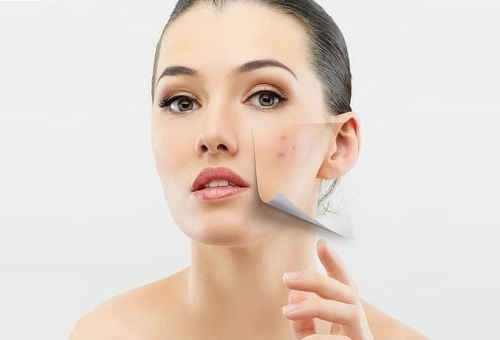
One of the most well-recognized benefits of retinol is its ability to treat acne. If you have tried multiple treatments without achieving the desired results, retinol may be an effective option.
Acne commonly results from the accumulation of sebum, dead skin cells, and daily impurities trapped beneath the pores. Retinol helps clear acne by unclogging blocked pores, reducing inflammation, and minimizing excess oil production. This process keeps the skin clean, prevents breakouts, and reduces the likelihood of acne recurrence.
Therefore, if your skin is experiencing hyperpigmentation or acne, incorporating retinol into your skincare routine appropriately can help address these concerns effectively.
3. Precautions When Using Retinol for Hyperpigmentation and Acne
When using retinol to treat hyperpigmentation and acne, it is essential to follow these precautions to minimize side effects and maximize effectiveness:
- Increased Sun Sensitivity: Retinol makes the skin more sensitive to sunlight. Therefore, it is crucial to protect your skin with a broad-spectrum sunscreen (SPF 30 or higher), even when staying indoors.
- Recommended Concentration: The optimal retinol concentration for skincare use ranges from 0.5% to 1%.
Skin Sensitivity Test Before using any new skincare product, it is important to ensure that it does not cause irritation. When using retinol for acne or hyperpigmentation, you can test its suitability for your skin by applying a small amount to your forearm and avoiding sun exposure on the tested area for 24 hours.
If no abnormal reactions occur, you can safely use retinol for acne treatment or hyperpigmentation management.
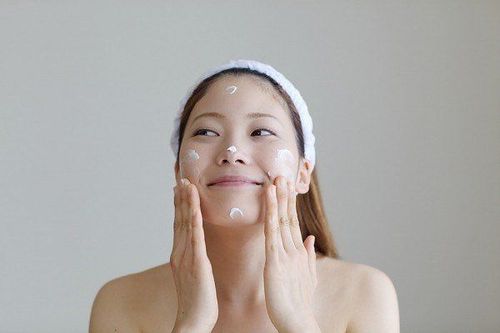
- To help the skin adapt to a new product, it is recommended to start with a low frequency and gradually increase usage. For retinol, it should initially be applied once a week, then slowly increase the frequency. Once your skin has fully adjusted to the effects of this vitamin A derivative, you can incorporate it into your nightly routine.
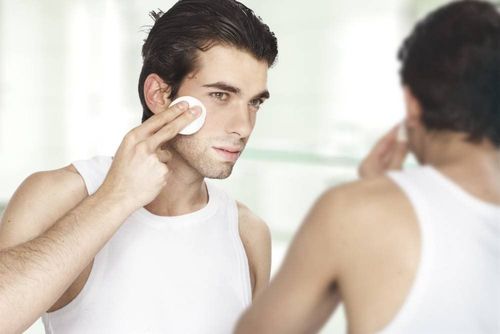
- Retinol is not a chemical exfoliant. Therefore, when using retinol, you should follow a proper skincare routine: makeup removal, facial cleansing, toner, serum, retinol, hydrating essence, and finally, moisturizer.
To arrange an appointment, please call HOTLINE or make your reservation directly HERE. You may also download the MyVinmec app to schedule appointments faster and manage your reservations more conveniently.