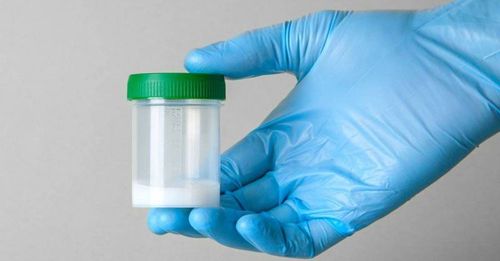
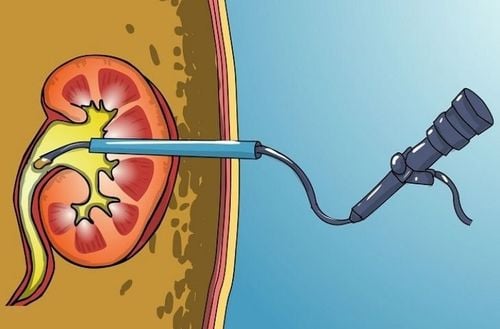
Urinary tract infections (UTIs) are inflammations of the urinary tract caused by bacteria. They can occur in specific segments or throughout the entire urinary tract. Depending on the location and severity of the infection, the treatment method will vary. For lower urinary tract infections, oral antibiotics are often combined with topical urinary antiseptic medications to achieve effective treatment.
1. Common urinary antiseptic medications
Currently, some common urinary antiseptic medications include:
- Doxycycline: is an antibiotic in the tetracyclines family of medications. It is effective in treating urinary tract infections caused by Chlamydia trachomatis and Mycoplasma hominis. The medication is available in both oral and injectable forms.
- Trimethoprim: This bacteriostatic drug inhibits the bacterial enzyme dihydrofolate reductase. It is often combined with sulfamethoxazole to enhance antibacterial efficacy. The medication is available in oral and liquid forms.
- Mictasol Bleu 20 mg: A mild antiseptic that helps eliminate bacteria in the urinary tract and is often combined with Augmentin.
- Cephalexin: An antibiotic classified as the first-generation cephalosporin group. It exerts a bactericidal effect by inhibiting bacterial cell wall synthesis, effective against E. coli and Proteus mirabilis.

2. Usage and side effects of urinary antiseptic medications
2.1 Doxycycline
Patients should take the medication at least one hour before meals or two hours after meals, once or twice daily as prescribed by a doctor, and drink plenty of water.
- The usual dose is 100 mg, taken every 42 hours on the first day. For severe infections, the dose may be 100 mg once or twice daily.
- The intravenous infusion dose is 200 mg, administered once or divided into two doses on the first day, followed by 100-200 mg on subsequent days.
Possible side effects of doxycycline include abdominal pain, diarrhea, vomiting, headache, dizziness, fever, chills, and muscle aches. If any of these symptoms occur, the patient should inform their doctor immediately. Patients should avoid consuming calcium-rich foods or milk while taking the medication. After ingestion, they should remain upright for at least 10 minutes and avoid lying down immediately.

2.2 Trimethoprim
Patients should take 100 mg per dose, twice daily, for 10 days. For urinary tract infection prophylaxis, the recommended dose is 100 mg per day. The injectable form can be administered intravenously or as a lactate infusion at a dose of 150-250 mg per dose, every 12 hours.
Possible side effects of trimethoprim include nausea, itching, blurred vision, and dizziness. People with liver or kidney impairment, anemia due to folic acid deficiency, or drug hypersensitivity should not use this medication. They should consult a doctor for alternative treatments.
2.3 Mictasol Bleu
Patients should take the medication 2-3 times daily, 2 tablets per dose, continuously for 3-5 days. The medication should be taken at the correct dosage and as prescribed by a doctor.
Possible side effects include nausea, vomiting, difficulty urinating, diarrhea, and blue-colored urine.
2.4 Cephalexin
Patients can take 250-500 mg every six hours. Depending on the severity of the infection, the dose may be increased to 4 g per day as directed by a doctor.
To arrange an appointment, please call HOTLINE or make your reservation directly HERE. You may also download the MyVinmec app to schedule appointments faster and manage your reservations more conveniently.