
This article has been professionally consulted by Vo Thi Thuy Trang, Specialist Level I, Gastrointestinal Endoscopy Doctor, Department of General Consultation & Internal Medicine, Vinmec Da Nang International Hospital. Dr. Trang has many years of experience in the field of gastrointestinal endoscopy.
The liver is an organ that plays a role in digestion and metabolism of all substances circulating within the body. A healthy liver, which effectively absorbs nutrients and eliminates unnecessary substances, helps maintain overall health. Therefore, understanding the diet for individuals with hepatobiliary diseases is important for both patients and healthy individuals.
1. The Relationship Between Diet and Hepatobiliary Health
The liver is a relatively large internal organ in the body. Located in the abdominal cavity, hidden beneath the ribcage, it operates continuously day and night for your survival.
The liver's function includes secreting bile, which contains digestive enzymes that help break down food into smaller, easily absorbable nutrients that enter the bloodstream. If this function is impaired, the body will be unable to process any nutrients from food intake, leading to gradual deterioration.
Additionally, the liver acts as a processing plant for all substances circulating in the blood, eliminating toxins from the body. In other words, if you consume an excessively rich diet, the liver must work harder to metabolize and absorb these substances.
If your diet consists of unhealthy foods, such as high-fat or fried foods, excessive salt, and excessive alcohol consumption, your liver is under attack. It has to work strenuously to process and eliminate excess substances.
However, the liver’s capacity is not unlimited. Diet has a strong relationship with liver and biliary health. A healthy individual must understand how to eat properly to protect the liver. Meanwhile, individuals with liver disease must carefully consider their diet to avoid further adverse effects, making meal choices an essential aspect of daily care.

2. What Should Individuals with Hepatobiliary Diseases Eat to Maintain Normal Liver Function?
If you have a hepatobiliary, it is essential to adhere to a proper diet that is tailored to your individual needs. You can consult your doctor to determine which foods are best for your body. Here are some dietary recommendations to help maintain liver health or enhance its function:
- Maintain a balanced diet: Choose and prepare meals from a variety of food groups, including grains, fruits, vegetables, meat, legumes, and dairy. Fatty foods such as oils, butter, and full-fat dairy should be limited.
- Consume fiber-rich foods: Fiber facilitates optimal liver function. Fruits, vegetables, whole grain bread, rice, and cereals provide sufficient fiber intake for daily needs.
- Consume fatty sea fish: These types of fish provide essential fats for the body while being completely liver-friendly and beneficial for cardiovascular health. Moreover, consuming fatty fish and supplementing with fish oil may help mitigate the effects of liver conditions such as non-alcoholic fatty liver disease
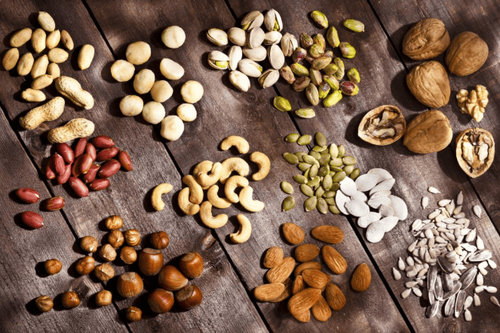
- Include nuts in your diet: Nuts such as walnuts, almonds, sunflower seeds... are excellent sources of vitamin E, a nutrient that research suggests may help protect against fatty liver disease. Additionally, nuts are a great option for a healthy snack.
- Drink coffee: Good news for coffee lovers—studies show that drinking two to three cups of coffee per day can help protect the liver from damage, particularly from excessive alcohol consumption or an unhealthy diet. Additionally, this appealing beverage may also help reduce the risk of liver cancer.
- Drink green tea: This is also a liver-friendly beverage as it contains an antioxidant called catechin, which helps protect the liver against certain types of cancer. The amount of catechin is higher when you brew the tea yourself and drink it while it is still hot. In contrast, iced tea and pre-packaged green tea contain significantly lower levels of this beneficial compound.
- Stay hydrated: One of the simplest yet most effective ways to support liver health is to drink enough water. Developing the habit of drinking mineral water or plain water instead of sugary beverages like soda and canned soft drinks. This habit helps prevent dehydration and allows the liver to function more efficiently.
- Maintain a healthy body weight: This means keeping your Body Mass Index (BMI) within the range of 18 to 25. Achieving this goal involves following the dietary guidelines above and maintaining a regular exercise routine. Not only will you have a healthier liver, but you will also enjoy overall physical well-being.
You can refer to the meal plans for patients with fatty liver disease, hepatitis B, and liver cancer in the following articles:
- Meal plan for individuals with fatty liver disease
- Foods to avoid and recommended diet for individuals with hepatitis B
- Nutritional guidelines for patients with liver cancer
3. What Should Individuals with hepatobiliary Diseases Avoid?
Since diet plays a crucial role in liver health, understanding what individuals with hepatobiliary diseases should avoid is essential for making appropriate food choices at every meal.
- Alcohol
The liver is responsible for metabolizing alcohol. However, only a limited amount of alcohol can be processed within a given timeframe.
When blood alcohol levels become too high, the liver’s ability to function properly can be disrupted, leading to chemical imbalances. If the liver is forced to metabolize alcohol continuously, liver cells may be damaged or altered, leading to fat accumulation, which can cause fatty liver disease and more severe conditions, such as alcoholic hepatitis or the formation of permanent scar tissue, known as cirrhosis.
- Fructose
Highly concentrated sources of fructose, particularly fruit syrups, can stimulate fat production in the liver.
Therefore, foods high in fructose should be avoided, including soft drinks, sweetened fruit beverages, flavored yogurts, sweetened breakfast cereals, canned fruits, baked goods (such as cakes, cookies, pastries), and processed condiments like sweet sauces, ketchup, jams, fruit jellies...
- Saturated Fat
The primary sources of saturated fat include processed meats, red meats, animal-based butter, and high-fat dairy products such as cheese, cream, pastries, doughnuts...These substances are difficult for the liver to metabolize and tend to increase fat accumulation in the parenchyma, so individuals with liver disease should avoid them.
- Salt
Finally, excessive sodium intake in daily meals can negatively affect liver health. Some studies suggest that consuming too much salt can cause certain changes in the liver, such as increased cell deformation, a higher rate of cell death, and a lower rate of cell division.
4. Dietary Guidelines for Hepatobiliary Patients According to Specific Conditions
Biliary Disorders
Bile is a liquid containing digestive enzymes produced in the liver that helps break down fat in the small intestine. Biliary disorders cause obstruction, preventing bile from being secreted into the small intestine.
Dietary Recommendations:
- Limit consumption of animal fats and saturated fats.
- Use alternatives to hard-to-metabolize fats, such as kernel oil, olive oil, corn oil, sunflower oil, peanut oil... as these require less bile for fat breakdown than other types of oils.
Cirrhosis
Cirrhosis is a condition in which dense scar tissue forms in the liver, leading to fibrosis, hardening, and loss of liver function.
Dietary Recommendations:
- Limit salt and high-sodium foods.
- Restrict protein intake in the diet.
Fatty Liver Disease
Fatty liver disease is the accumulation of fat within liver cells.
Dietary Recommendations:
- Limit high-calorie foods
- Increase fiber-rich foods
Hemochromatosis
Hemochromatosis is a congenital metabolic disorder of iron in the liver due to genetic factors, leading to iron accumulation in the liver as well as other organs.
Dietary Recommendations:
- Avoid foods containing iron
- Do not use iron cookware for food preparation
- Do not take medications containing iron
- Avoid consuming raw or undercooked shellfish
Wilson's Disease
Wilson’s disease is a condition that causes copper accumulation in the body.
Dietary Recommendations:
- Limit copper-containing foods such as chocolate, nuts, shellfish, and mushrooms
- Avoid using copper cookware for food preparation

Diet has a direct impact on liver health, and how individuals with liver diseases should eat is an important concern for maintaining overall well-being. The information provided above will help clarify which foods are recommended and which should be avoided for hepatobiliary conditions, enabling patients to make informed dietary choices and maintain long-term liver function.
The Department of General Internal Medicine at Vinmec International General Hospital is a reputable center for the diagnosis and treatment of liver diseases, highly regarded by both patients and medical professionals. Here, a team of highly qualified, dedicated, passionate, and experienced doctors provides patients with the most effective treatment plans.
To arrange an appointment, please call HOTLINE or make your reservation directly HERE. You may also download the MyVinmec app to schedule appointments faster and manage your reservations more conveniently.