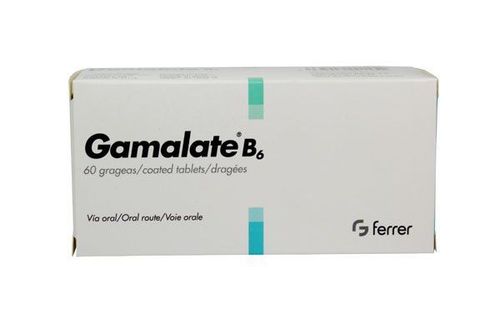
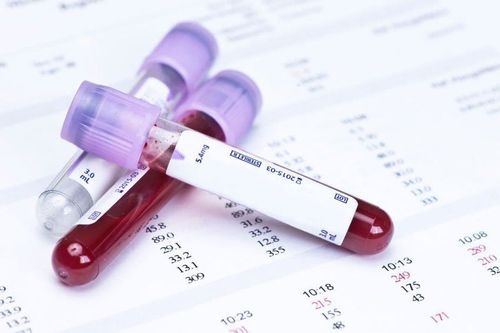
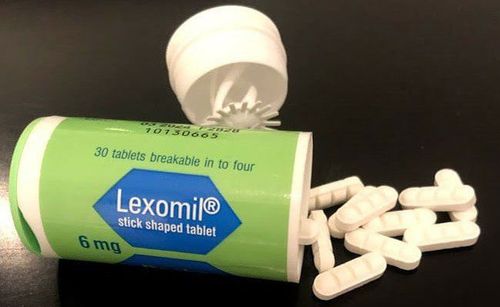
Narcotic substances and psychotropic medications need to be differentiated to optimize therapeutic outcomes and minimize potential harm to patients. Patients should always take medication only as prescribed by their doctor.
1. What are addictive and psychotropic medications?
1.1 What are psychotropic medications?
Psychotropic medications contain active compounds that either stimulate or inhibit the central nervous system, leading to hallucinations. Prolonged or repeated use can lead to dependence or addiction.
1.2 What are addictive medications?
Currently, there is no exact definition of an addictive substance, as it is interpreted differently in law, medicine, and substance use guidelines.
An addictive substance is any chemical that, when absorbed into a living organism, can alter normal physiological functions in a way, leading to physiological dependence or heightened cravings, potentially resulting in addiction.
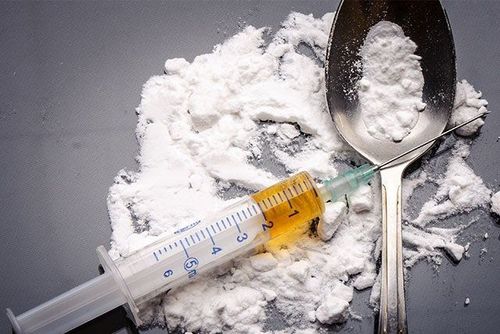
2. Uses of psychotropic and addictive drugs
2.1 Uses of psychotropic drugs
Psychotropic drugs are prescribed for the treatment of mental disorders. These drugs help improve the quality of life for individuals suffering from psychiatric conditions.
2.2 Uses of addictive drugs
In pharmacotherapeutics, this drug is a bioactive compound administered to treat, cure, prevent, or diagnose pathological conditions, or to improve physiological and psychological function when no alternative methods are available. Prescription medications may be indicated for short-term use or long-term management of chronic disorders.

3. The dangers of psychotropic and addictive drugs
3.1 The dangers of psychotropic drugs
Psychotropic drugs provide medical benefits but also come with significant risks.
In addition to treating mental disorders, psychotropic medications can induce euphoria, happiness, and increased compliance in patients. This effect can be exploited by individuals with malicious intent, leading to fraud or asset appropriation. Victims may become disoriented and lose control over their actions, making them vulnerable to manipulation.
3.2 The dangers of addictive drugs
Recreational addictive substances are chemical compounds that affect the central nervous system, inducing hallucinations. These substances may be used to alter perception, consciousness, and behavior in potentially beneficial ways. However, some of them carry the risk of addiction.
Many addictive substances, such as alcohol, certain mushrooms, and other psychoactive compounds, blur the line between food and recreational drugs, as their absorption into the body impacts both mental and physical functions.

3.3 Synthetic narcotics can be made from psychotropic and addictive drugs.
Different ways of using narcotic and psychoactive substances can lead to the formation of illicit drugs. Synthetic drugs are produced by combining cannabis extracts with ingredients such as butter, milk, eggs, and chocolate, then baking them. Although these baked goods resemble typical pastries, they have psychoactive effects, causing hallucinations and addiction similar to other narcotics.
Laughing gas (nitrous oxide) contains narcotic and psychoactive substances that induce unusual sensations, euphoria, hallucinations, and uncontrollable laughter. When inhaled, it affects specific neural pathways responsible for laughter, albeit for a short duration, leading individuals to inhale large amounts repeatedly. Due to the inability to regulate its intake, excessive use poses significant health risks.
Additionally, prolonged use can result in poisoning and neurological disorders. Repeated exposure may cause sensory impairment, abnormal motor function, cognitive dysfunction, memory loss, and depression.

Patients can visit the Vinmec healthcare centers for consultation or contact the hotline for assistance.
To arrange an appointment, please call … or make your reservation directly HERE. You may also download the MyVinmec app to schedule appointments faster and manage your reservations more conveniently.
READ MORE
Identifying narcotic substances via urine analysis
Various laboratory techniques for detecting narcotics
Blood testing for the presence of addictive substances
To arrange an appointment, please call HOTLINE or make your reservation directly HERE. You may also download the MyVinmec app to schedule appointments faster and manage your reservations more conveniently.