Hand, foot, and mouth disease is a common illness in young children, and it usually resolves on its own without requiring treatment. However, in some emergency situations, children may need to take antibiotics.
1. What is Hand, Foot, and Mouth Disease?
Hand, foot, and mouth disease is an infectious disease caused by enteroviruses (which include various forms such as Coxsackievirus, Echovirus, etc.). Coxsackievirus A16 is the most common cause of hand, foot, and mouth disease in young children, presenting as a mild form of the disease that is highly contagious and usually resolves within 7-10 days without the need for specialized treatment.
Hand, foot, and mouth disease is transmitted from person to person and can spread into an outbreak due to the enterovirus. Coxsackievirus A16 and Enterovirus 71 (EV71) are the most common pathogens. The main symptoms include skin and mucous membrane lesions, such as blisters in areas like the mouth, palms, soles, buttocks, and knees. If not detected and treated in time, it can lead to serious complications such as encephalitis, meningitis, myocarditis, acute pulmonary edema, and even death. Severe complications are often caused by EV71. Saliva, blister fluid, and feces from infected children are the primary sources of transmission. The disease occurs year-round and can affect individuals of all ages but is most common in children under 3 years of age.
2. Signs of Hand, Foot, and Mouth Disease
Children with hand, foot, and mouth disease often exhibit the following symptoms:
• Fever: The child may have a mild to high fever.
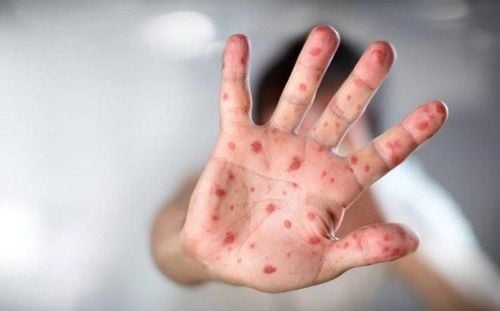
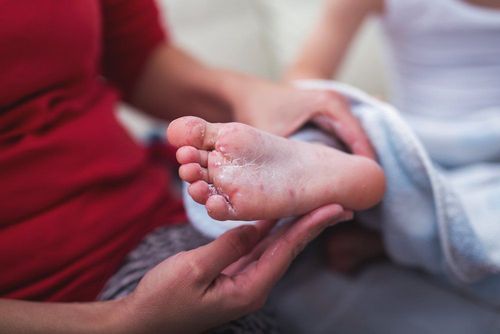
• Appearance of blisters or red rashes on the palms, soles, knees, and buttocks.
• Mouth ulcers or throat sores.
• Restlessness, frequent crying.
• Persistent crying, trembling hands and feet, lethargy.
• Difficulty breathing, rapid breathing, fatigue.
• Difficulty standing or walking steadily.
• Frequent vomiting.
• Seizures or loss of consciousness.

In the first few days, the most severe symptoms usually appear, but they typically subside completely within a week. Based on these symptoms and an examination of the sores or blister rashes, doctors will determine if the child has hand, foot, and mouth disease. If serious symptoms appear, the doctor may request a throat swab to perform additional tests. If left untreated, the disease can lead to severe complications such as meningitis, pneumonia, encephalitis, etc. Parents and caregivers should closely monitor the child to detect any worsening symptoms and prevent dangerous complications.
Bring the child immediately to a medical facility for observation and treatment if any of these symptoms occur. The chance of recovery is very high if the patient is hospitalized early and treated promptly. During the illness, parents should ensure the child stays home for 1 to 10 days to prevent spreading it to other children. Both the patient and the caregiver should remain isolated for 10 days after recovery.
3. Do Children with Hand, Foot, and Mouth Disease Need Antibiotics?
Currently, there is no specific treatment for hand, foot, and mouth disease, and only supportive care is provided. When the child has a fever above 38°C (100.4°F), administer paracetamol (acetaminophen) in doses of 10-15 mg/kg. If the fever persists, the medication can be repeated every 4-6 hours. Suppositories may be used if the child cannot take oral medication.
Additionally, parents should give the child oral rehydration solutions like Oresol or Hydrite to replenish fluids and electrolytes. Vitamin C and zinc should be added if the child shows signs of fever and mouth ulcers. Clean the mouth before and after meals with a boric glycerin solution. Use a mouth gel (e.g., Kamistad, Zyttee) to disinfect and relieve pain, making it easier for the child to eat and drink.
In addition to disinfecting solutions, caregivers should wash their hands with soap before preparing food, feeding the child, after contact with the child, and after using the restroom. Use a 2% Chloramine solution or other disinfectants to clean the house and soak the child’s toys and clothing. Items used for eating, such as bottles, bowls, and spoons, should be sterilized by boiling.

Only give antibiotics to a child with hand, foot, and mouth disease if there are signs of brain involvement. The child may be prescribed anticonvulsants like phenobarbital and antibiotics if the child develops bacterial meningitis. Respiratory symptoms and other neurological signs should be monitored closely. For children with encephalitis complications, anticonvulsants, diuretics, and antibiotics should be used, and close monitoring of vital signs like heart rate, temperature, blood pressure, and consciousness is necessary.
4. Preventing Hand, Foot, and Mouth Disease
Currently, there is no specific treatment for hand, foot, and mouth disease, so when a child is affected, the following actions should be taken:
• Wear a medical mask when caring for the child and wash hands thoroughly after coming into contact with the infected child.
• Bathe and clean the child using soap and clean water daily.
• Follow the Ministry of Health's 6-step handwashing guidelines and encourage children to wash their hands thoroughly with soap.
• Use 2% Chloramine B disinfectant solution to soak the child’s clothes or diapers or boil them before washing.
• Boil the child’s personal items like toys, bottles, cups, eating utensils, etc., and use them separately for each child.
• Ensure the child’s living space is well-ventilated and regularly cleaned with disinfecting solutions.
To arrange an appointment, please call HOTLINE or make your reservation directly HERE. You may also download the MyVinmec app to schedule appointments faster and manage your reservations more conveniently.