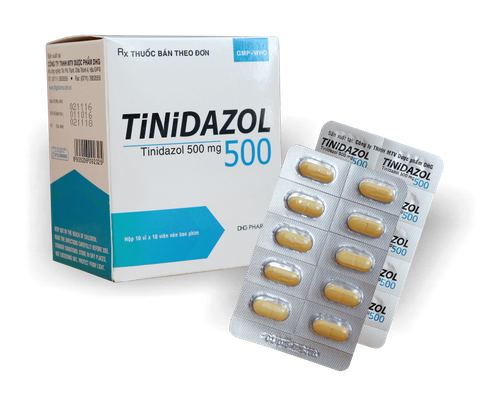
Drug-induced fever can be the sole manifestation of an adverse drug reaction. The risk of developing drug-induced fever increases with the number of prescribed medications, especially in elderly patients.
1. What is Drug-Induced Fever?
Drug-induced fever is a disorder characterized by a febrile reaction occurring concurrently with medication use, in the absence of underlying conditions that could cause fever. The primary distinguishing feature of drug-induced fever from other causes of fever is its resolution upon discontinuation of the offending drug.
Drug-induced fever should be considered a diagnosis of exclusion and is often suspected in patients with unexplained fever. Clinicians must be aware of the potential for drug-induced fever and the most common offending medications to avoid unnecessary diagnostic costs, treatment, and extended hospital stays.
2. Drug Classes That May Cause Fever
Antibiotics that can cause drug-induced fever include:
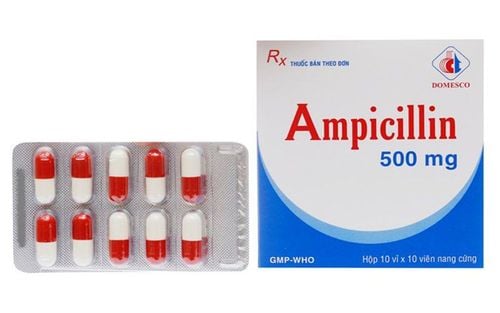
- Penicillins: ampicillin, carbenicillin, cloxacillin, mezlocillin, nafcillin, oxacillin, penicillin, piperacillin, staphcillin, ticarcillin
- Cephalosporins: cefazolin, cefotaxime, ceftazidime, cephalexin, cephalothin
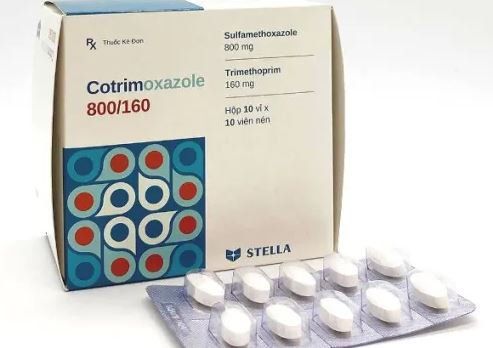
- Other Antibiotics: acyclovir, amphotericin B, aureomycin, declomycin, erythromycin, furadantin, isoniazid, minocycline, nitrofurantoin, novobiocin, rifampin, streptomycin, terramycin, tetracycline, trimethoprim-sulfamethoxazole, vancomycin
- Immunosuppressants: azathioprine, everolimus, mycophenolate mofetil, sirolimus
- Antineoplastics: mercaptopurine, bleomycin, chlorambucil, cisplatin, cytosine arabinoside, daunorubicin, hydroxyurea, interferon, L-asparaginase, procarbazine, streptozocin, vincristine
- Cardiovascular Drugs: clofibrate, diltiazem, dobutamine, furosemide, heparin, hydrochlorothiazide, methyldopa, oxprenolol, procainamide, quinidine and quinine, triamterene
- NSAIDs: ibuprofen, naproxen, tolmetin
- Sympathomimetics: amphetamine, lysergic acid, methylene dioxymethamphetamine
- Antiepileptics: carbamazepine, phenytoin
- Other Drugs: allopurinol, cimetidine, folate, iodide, mebendazole, metoclopramide, piperazine adipate, propylthiouracil, prostaglandin, ritodrine, sulfasalazine, theophylline, thyroxine
- Antidepressants: doxepin, nomifensine
3. How is Drug-Induced Fever Diagnosed?
The key to diagnosing drug-induced fever is considering this condition in any patient with unexplained fever, particularly when the fever does not correspond with an infectious etiology.
Diagnosis is often challenging and requires careful assessment of the patient’s clinical presentation, medication history, and laboratory findings. Drug-induced fever should be included in the differential diagnosis of fever, especially in patients receiving medications frequently associated with this condition.
Clinicians often initially suspect and treat fever as an infection, a reasonable approach but one that may lead to antibiotic overuse. Fever, however, can be a feature of various non-infectious conditions, including malignancy, thromboembolic disease, stroke, collagen vascular diseases, acute gout, surgery, and trauma.
4. Clinical Characteristics of Drug-Induced Fever
Drug-induced fever can occur at any time during medication use and varies significantly among different drug classes. The average time from initiation of the causative drug to fever onset is 7–10 days, although this timeframe can vary.
Fever patterns among patients with drug-induced fever can range from continuous fever (temperature fluctuates but remains elevated), intermittent fever (periods of normal temperature interspersed with fever), and high fever (a combination of intermittent and continuous fever). Rash-associated fever is the most common presentation.
Fever severity can vary from mild elevations (37.2°C) to extreme hyperthermia (42.7°C), with the most common range being 38.8–40°C.
Another distinguishing feature of drug-induced fever is relative bradycardia. Hypersensitivity skin reactions, including urticaria with or without petechiae, can also be observed in some patients. However, the absence of skin manifestations does not exclude drug-induced fever.
Notably, fever and other associated clinical manifestations can persist even after discontinuing the causative drug.

5. Laboratory Findings in Drug-Induced Fever
Laboratory tests may aid in diagnosing drug-induced fever, but results vary widely and cannot confirm the diagnosis definitively.
White blood cell (WBC) count: Evaluating WBC count is crucial in suspected cases. Leukocytosis with or without a left shift may be present. If leukocytosis is detected, clinicians should reassess infection control strategies. Although relative eosinophilia is commonly observed, true eosinophilia is rare.
Erythrocyte sedimentation rate (ESR): Elevated ESR is frequently seen, sometimes reaching 100 mm/hr or higher, with typical values ranging from 40–60 mm/hr. Liver function tests: Mild elevations in transaminases may occur but typically do not exceed twice the upper limit of normal in approximately 90% of cases. Lactic dehydrogenase (LDH): LDH levels may be elevated, but normal LDH does not rule out drug-induced fever.
No single laboratory test is diagnostic for drug-induced fever. The presence of drug antibodies via serologic or skin testing is generally not useful, as these antibodies may develop in asymptomatic patients without clinical hypersensitivity.
6. Management of Drug-Induced Fever
The most appropriate approach to managing drug-induced fever is discontinuing the offending drug. Identifying the causative agent can be challenging, and no standard protocol exists. Depending on the severity of the reaction, clinicians may stop all suspected drugs, newly introduced medications, or all non-essential drugs.
If fever occurs without hypersensitivity signs, discontinuing the most recently added or highly suspected medication may suffice. Fever usually resolves within 48–72 hours after discontinuation, although in some cases, it may persist for days to weeks if hypersensitivity reactions like maculopapular rash accompany the fever or if drug clearance is slow.
Drug discontinuation should be carefully considered, as continuing treatment may be more beneficial than stopping medication in some clinical scenarios. Once fever is controlled, medications can be cautiously reintroduced one at a time, avoiding the most strongly suspected drugs if possible.
In conclusion, the body maintains temperature within a narrow range, but medications can disrupt this balance and induce fever. Drug-induced fever typically occurs 7–10 days after starting a drug, persists with continued use, resolves upon discontinuation, and reappears upon re-exposure. Clinicians should exercise caution when prescribing fever-inducing medications and consider safer alternatives when available.
Therefore, before taking any medication, patients should consult their physician or pharmacist to ensure proper and safe drug use.
To arrange an appointment, please call HOTLINE or make your reservation directly HERE. You may also download the MyVinmec app to schedule appointments faster and manage your reservations more conveniently.