Back pain during pregnancy is a common condition caused by factors such as weight gain, changes in body posture, hormonal changes, and more. To prevent or alleviate this pain, back pain relief massage for pregnant women is a widely used method today.
1. Causes of Back Pain in Pregnant Women
Most pregnant women experience back pain, usually starting in the second half of pregnancy. Several factors contribute to back pain during pregnancy, such as:
• Weight gain: During a healthy pregnancy, women typically gain 11 - 16 kg. The spine has to support this weight, which can lead to lower back pain. Additionally, the increasing weight of the fetus and uterus also puts pressure on blood vessels and nerves in the back and pelvis.
• Posture changes: Pregnancy shifts the body's center of gravity. The body tends to lean backward, increasing the natural curve of the lower spine, which leads to back pain.
• Hormonal changes: During pregnancy, the body produces the hormone relaxin, which allows the ligaments in the pelvic region to loosen, and the joints become more flexible in preparation for labor. This hormone can also cause the ligaments supporting the spine to become loose, leading to back pain.
• Muscle separation: As the uterus expands, the two muscles running from the ribcage to the pubic bone may separate along the central line. This muscle separation worsens the back pain.
• Stress: Stress can cause muscle tension in the back, leading to back pain or muscle spasms. Pregnant women may experience more back pain during periods of emotional or mental stress.

2. Methods to Relieve Back Pain for Pregnant Women
Unless experiencing chronic back pain before pregnancy, most pregnant women can significantly reduce back pain during pregnancy by applying the following methods:
• Exercise: Regular exercise during pregnancy helps strengthen muscles and improve flexibility, reducing stress on the spine. Safe exercises for most pregnant women include walking, swimming, and stationary cycling. A doctor or physical therapist can also guide the pregnant woman in exercises to strengthen the back and abdominal muscles.
• Heat and Cold Therapy: With doctor approval, a pregnant woman can apply cold packs to the painful back area for up to 20 minutes (multiple times a day). After 2-3 days, they can switch to hot therapy, such as placing a hot pad or warm water bottle on the affected area. It is important to note that pregnant women should not apply heat to the abdominal area.
• Posture Improvement: Pregnant women should maintain proper posture when working, sitting, or even sleeping. For example, sleeping on the side and placing a pillow between the knees helps reduce back strain. When sitting at a desk, pregnant women should place a rolled towel behind their back for support, elevate their feet on a stack of books or a stool, and sit with straight back and shoulders. Additionally, they can use a support belt.
• Acupuncture: This method involves inserting thin needles into the skin at specific points on the body to relieve lower back pain during pregnancy.
• Spinal Adjustment: When performed correctly, spinal adjustment can be safe for pregnant women. However, it is important for pregnant women to consult with a doctor before applying this method.
• Prenatal Yoga: Simple stretching exercises can help prevent and alleviate back pain during pregnancy.
• Other Tips: When picking up something from the ground, pregnant women should squat down slowly rather than bend over; avoid wearing high heels; and refrain from sleeping on their back.
3. Effective Back Massage Techniques for Pregnant Women
Is back massage good for pregnant women? In addition to the methods mentioned above, back massage during pregnancy can effectively help prevent and relieve back pain for pregnant women.
3.1 Back Pain Relief Massage Procedure for Pregnant Women
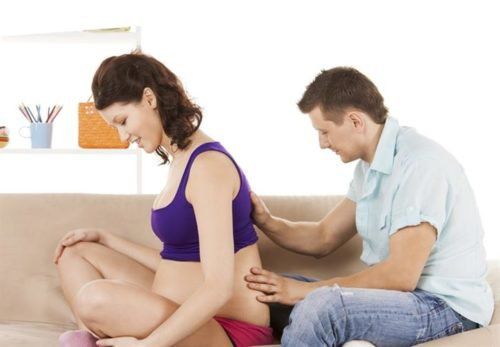
Preparation: Create a comfortable atmosphere for the pregnant woman. Prepare a comfortable, clean, and well-ventilated space, and consider playing soft, relaxing music. The person performing the massage should be the husband, as the pregnant woman cannot massage herself.
Instructions: Have the pregnant woman lie on her left side or sit, with a pillow placed under her knees. The person performing the massage should warm their hands and fingertips and begin massaging from the neck, gently working down to the hips. Continue massaging upward toward the shoulders, moving along the body and spreading out toward the sides.
The person performing the massage should use both hands to gently press and stretch the muscles. Then, use the thumbs and the upper part of the palms to gently press and massage the back. Be sure to massage gently and slowly in the shoulder, lower back, and hip areas.
Repeat the above steps at a slower pace. Finally, end the massage after approximately 15-20 minutes.
3.2 Tips for Back Massage to Relieve Back Pain for Pregnant Women
Back massage during pregnancy offers many benefits, but to ensure the health and safety of both the mother and the baby, the following precautions should be taken:
• It’s best to massage approximately 2 hours after eating.
• The duration of each massage session should be around 15-20 minutes.
• Change positions frequently during the massage.
• Massage should only be performed in the second or third trimester of pregnancy.
• If the pregnant woman has gestational diabetes, she should have a light meal before the massage.
• If feeling dizzy, nauseous, uncomfortable, or experiencing any other symptoms during the massage, stop immediately.
• Pregnant women at risk of miscarriage or with other health issues should consult their doctor before having a massage.
4. When Should a Pregnant Woman See a Doctor for Back Pain?
If the above methods do not relieve back pain, the pregnant woman should consult a doctor to explore other treatment options. It’s particularly important to seek advice before using any pain-relieving medications. In some cases, the doctor may prescribe safe painkillers or muscle relaxants for use during pregnancy.
Additionally, pregnant women should call their doctor immediately if they experience severe back pain, progressively worsening pain, sudden pain onset, rhythmic cramping pain, difficulty urinating, or sharp pain like needles in the limbs. In some cases, severe back pain can be linked to issues like pregnancy-related osteoporosis, infectious arthritis, or spinal inflammation. Rhythmic pain could be a sign of labor or preterm birth. Therefore, if any of these symptoms occur, the family should contact the doctor immediately.
Back massage during pregnancy requires the person performing the massage to have proper skills and basic knowledge. It’s essential to pay attention to the mother's position and the massage intensity, and stop immediately if any abnormal signs appear.
References: mayoclinic.org, webmd.com,
Read more:
- Is Lower Back and Abdominal Pain After an Abortion a Sign of Retained Placenta?
- Is it normal to have brown discharge and lower back pain 6 weeks after embryo transfer?
To arrange an appointment, please call HOTLINE or make your reservation directly HERE. You may also download the MyVinmec app to schedule appointments faster and manage your reservations more conveniently.