Article by Pharmacist Duong Thu Huong - Vinmec Times City International General Hospital
Viagra is a medication that belongs to the group of PDE5 inhibitors. PDE5 is an enzyme that promotes the degradation of cGMP in the blood, and cGMP regulates the blood flow in the penis. Therefore, a decrease in cGMP makes it difficult for men to achieve an erection. Viagra primarily affects the circulatory and reproductive systems.
1. What is Viagra?
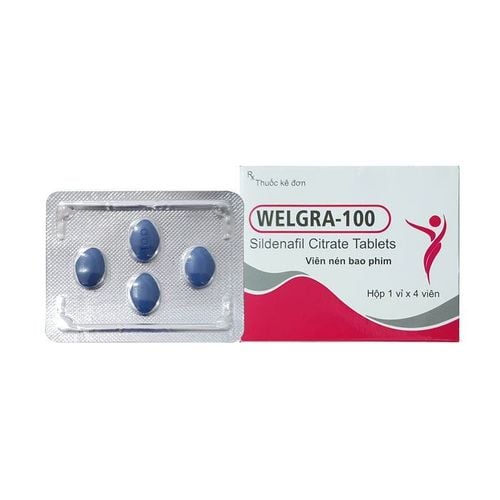
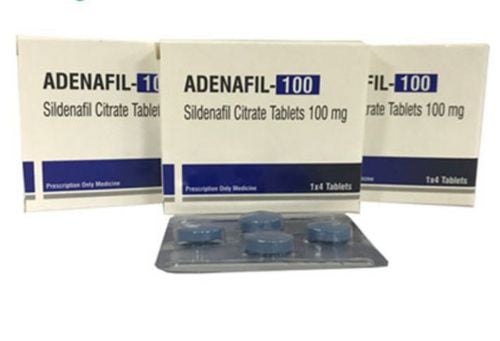
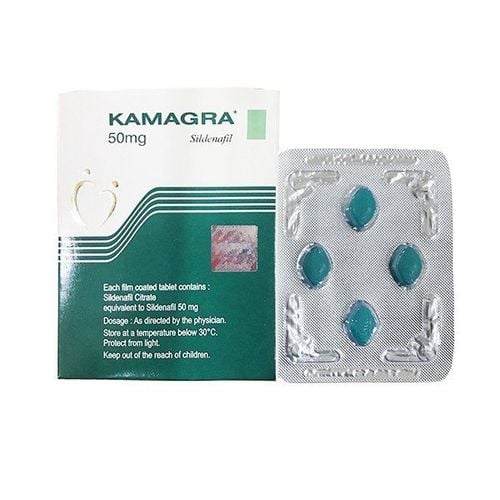
Viagra (active ingredient: Sildenafil) is a distinctive blue-green, diamond-shaped tablet that has been approved by the FDA for the treatment of erectile dysfunction. Another brand of sildenafil is Revatio, which is used to treat pulmonary hypertension.
Viagra was initially researched by Pfizer as a treatment for high blood pressure and angina. However, during clinical trials, scientists discovered that the drug had the side effect of increasing penile rigidity. Pfizer recognized that erectile dysfunction was a physiological condition without an effective treatment and that developing a drug for this indication could bring significant benefits to the company. For this reason, Viagra was redirected for research and development to assist with male impotence. The introduction of Viagra has brought happiness to many families and has alleviated a sensitive issue for a segment of men in modern society.
2. How does Viagra work?
Viagra is a medication that belongs to the group of PDE5 inhibitors. PDE5 is an enzyme that promotes the degradation of cGMP in the blood, and cGMP regulates blood flow in the penis. Therefore, a decrease in cGMP makes it difficult for men to achieve an erection. By inhibiting PDE5, Viagra helps relax smooth muscle and increase blood flow to the penis, supporting the ability to achieve an erection.
Note: Simply taking Viagra does not create an erection! Although it is highly effective in maintaining an erection, Viagra will not work if the body is not stimulated and aroused.

3. How to use Viagra?
Viagra is formulated in the form of film-coated tablets, with dosages ranging from 25 to 100 mg. The usual dose is 50 mg; however, it can be increased or decreased depending on the response (note: this dosage of Viagra differs from the dosage used to treat pulmonary hypertension with the brand Revatio, which is typically 20 mg three times a day).
Viagra can be taken regardless of meals. Taking Viagra with food may reduce gastrointestinal side effects but will prolong the time for the drug to take effect. It is recommended to take Viagra 1 hour before sexual intercourse, as it is quickly absorbed into the bloodstream and reaches peak levels within 1 hour. Do not take more than one tablet per day.
4. Effects of Viagra on various organ systems in the Body
Viagra primarily affects the circulatory and reproductive systems:
- Effects on the circulatory system: Viagra can lower blood pressure, especially 1-2 hours after taking the medication. If you are taking blood pressure medication, consult your doctor before using Viagra. Do not use Viagra in cases of stroke, myocardial infarction, or unstable angina.
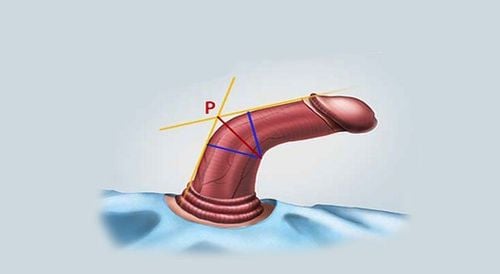
- Effects on the reproductive system: The effects of Viagra typically last for 4 hours and may be longer. In some cases, Viagra can cause a dangerous condition known as priapism, which is a prolonged erection lasting more than 4 hours. If an erection lasts longer than 4 hours, seek medical attention immediately for timely intervention. Viagra should not be used in cases of erectile dysfunction due to penile curvature (Peyronie’s disease). Currently, there is no evidence that Viagra reduces male fertility.
In addition to its effects on the circulatory and reproductive systems, Viagra may cause some side effects on the nervous system, such as headaches, dizziness, flushing, and nosebleeds, as well as gastrointestinal effects like stomach pain and nausea. In some cases, Viagra may cause side effects related to the sense of smell, such as tinnitus or temporary deafness, or visual disturbances like vision loss and color distortion, especially in individuals with retinitis pigmentosa. Viagra should not be used in certain eye conditions, such as sudden vision loss due to non-arteritic anterior ischemic optic neuropathy (NAION), due to the risk of obstructing blood flow to the optic nerve.

Drug interactions:
Do not use or exercise caution when using Viagra with medications containing nitrates, guanylate cyclase stimulators, and blood pressure medications such as long-acting alpha-blockers due to the risk of hypotension. Since Viagra is metabolized in the liver, its metabolism may be affected by enzyme CYP3A4 inhibitors, such as certain antifungal medications. Some dietary supplements may also interact with Viagra. Drinking alcohol generally does not reduce the effectiveness of the medication but may make achieving an erection more difficult. Consult a pharmacist to determine if the medications you are taking affect Viagra.
Lack of response to medication:
At least 2/3 of men experience improved erectile function after taking Viagra; however, this is not the case for everyone. If Viagra is ineffective, it is important to rule out other physiological causes such as emotional deficiencies, prolonged waiting, or insufficient dosage. Some medications can cause erectile dysfunction or reduce libido, such as SSRI antidepressants, blood pressure medications, antihistamines, and prostate medications, among others.
In cases of non-response to Viagra, other medications such as Cialis (tadalafil), Spedra (avanafil), or Levitra (vardenafil) may be tried, as they work through similar mechanisms as Viagra, or Alprostadil, which acts as a male hormone replacement. Some non-drug alternative therapies include vacuum pumps, psychological therapy with a sex specialist, and pelvic floor muscle exercises.
Vinmec International General Hospital, with its modern facilities and medical equipment, along with a team of experienced specialists and doctors in diagnosing and treating diseases, ensures that patients can feel confident in seeking examination and treatment for erectile dysfunction at the hospital.
To arrange an appointment, please call HOTLINE or make your reservation directly HERE. You may also download the MyVinmec app to schedule appointments faster and manage your reservations more conveniently.