Obesity brings numerous health consequences, particularly in men, where it significantly affects sexual health and overall quality of life.
1. The Adverse Effects of Obesity in Men
1.1. Type 2 Diabetes and Penile Health Issues
Any obese man is at risk of developing type 2 diabetes. Diabetes damages nerve cells, reducing penile sensitivity, decreasing sexual arousal, and weakening the body's ability to fight infections. As a result, obese men have a higher risk of penile issues such as fungal infections, bacterial infections and dermatitis…
1.2. Cardiac Arrhythmia
Atrial fibrillation (AF) occurs when the upper chambers of the heart (atria) quiver instead of contracting effectively to pump blood. This condition has long been associated with obesity and excessive body weight. Obese men are four times more likely to develop AF than those with a normal weight. Furthermore, obesity-induced structural changes in the heart increase susceptibility to AF, elevate the risk of hypertension and contribute to cardiovascular disease and stroke.
2. The Impact of Obesity on Male Sexual Function
2.1. Hormonal Imbalance
Hormonal imbalance can significantly impact fertility in obese men. Testosterone, the primary male sex hormone, plays a crucial role in reproductive function. Any disruption in the testes' ability to produce testosterone can lead to infertility.
Luteinizing hormone (LH) and follicle-stimulating hormone (FSH) regulate sperm production and testosterone synthesis. Dysfunction in the pituitary gland, which secretes these hormones, further affects male fertility.
2.2. Erectile Dysfunction
Erectile dysfunction (ED) is characterized by the inability to achieve or maintain an erection sufficient for sexual intercourse. Hormonal changes, psychological factors and physical conditions contribute to ED. It is a prominent sign of infertility in obese men.
2.3. Poor Sperm Quality
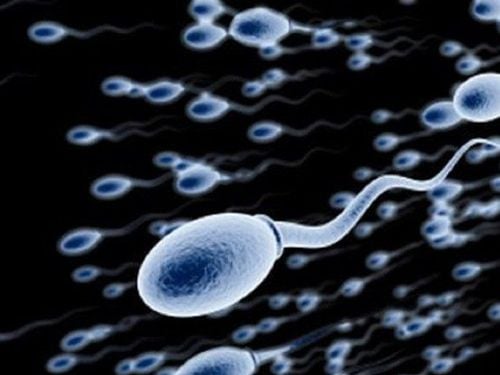
Obese men frequently suffer from metabolic syndrome, leading to decreased testosterone levels and increased estrogen levels. This hormonal imbalance reduces libido, contributes to erectile dysfunction, and impairs sperm production.
2.4. Smaller Penis Size
Excess abdominal fat in obese men can cause the penis to appear smaller or even be partially concealed. This poses a significant challenge in sexual activities and can lower self-confidence.
Additionally, obese men have a higher risk of sexually transmitted infections (STIs) despite having fewer sexual partners than individuals of normal weight.
2.5. Abnormal Semen Quality
Abnormalities in semen composition can indicate poor sperm health, leading to infertility. Either excessive or insufficient semen volume can reduce sperm concentration and density, affecting fertilization. Yellowish semen or semen containing blood necessitates a reproductive health evaluation to determine appropriate interventions.
2.6. Testicular Changes
The testes are responsible for sperm production. Any testicular abnormality, such as swelling, pain, tenderness, lumps, torsion, or small testicular size, may indicate compromised sperm quality and reproductive potential.
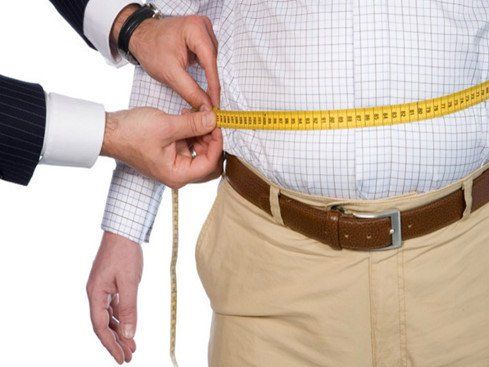
In obese men, as the abdomen enlarges, the fat layer surrounding the penis thickens, further obscuring the penile shaft. This condition, known as a buried penis, occurs when the organ is enveloped by excess skin, subcutaneous tissue, or sagging pubic fat. The greater the obesity, the more the penis becomes concealed. This significantly impacts a man's ability to satisfy their partner and achieve orgasm.
2.7. Obesity’s Impact on Sexual Performance
Obesity elevates the risk of various health conditions that impair fertility, including reduced sperm quality and sexual dysfunction. Excess weight diminishes physical endurance, which is crucial for sustaining sexual performance. Additionally, obesity disrupts hormonal equilibrium, lowering testosterone levels and diminishing sexual desire.
2.8. Infertility
Obesity directly contributes to male infertility by affecting sperm health. Lower blood testosterone levels result in reduced sperm density, decreased sperm motility and impaired reproductive function. Furthermore, obesity increases the risk of prostate cancer and contributes to infertility by lowering sperm count and motility while increasing the risk of reproductive disorders.
Several studies indicate that men consuming high levels of saturated fats or those who are obese have sperm counts 35% lower and sperm concentrations 38% lower than men following a balanced diet.
Given these risks, obese men should strive for a healthy lifestyle by monitoring calorie intake, increasing physical activity, walking more and opting for stairs instead of elevators.
Reducing screen time and engaging in outdoor activities can also promote weight loss. Regular weight tracking and monitoring Body Mass Index (BMI) are essential.
A balanced diet rich in fertility-boosting foods such as bananas, broccoli, walnuts, garlic, ginseng, red meat, beans, eggs, fish, citrus fruits (oranges, kiwis, strawberries), tomatoes, and cheese can improve reproductive health.
Due to the adverse effects of obesity, obese men should undergo comprehensive health check-ups every six months for early disease detection and treatment. Addressing obesity-related factors, as discussed above, can improve overall health and fertility.
To arrange an appointment, please call HOTLINE or make your reservation directly HERE. You may also download the MyVinmec app to schedule appointments faster and manage your reservations more conveniently.