The article is written by MA, MD Mai Vien Phuong - Department of General Consultation & Internal Medicine - Vinmec Central Park International General Hospital
With many worsening and unpredictable symptoms, many people wonder: Can lifestyle adjustments, such as fasting, help manage Irritable Bowel Syndrome?
1. Overview of Irritable Bowel Syndrome
Irritable Bowel Syndrome is a functional disorder of the intestines that recurs frequently, and despite medical examinations and diagnostic tests, no structural damage or clear causes can be identified. In Vietnam, Irritable Bowel Syndrome is also known as spastic colitis, functional colitis, or chronic colitis. According to estimates, living with Irritable Bowel Syndrome (IBS) is a way of life for 12% of Americans.
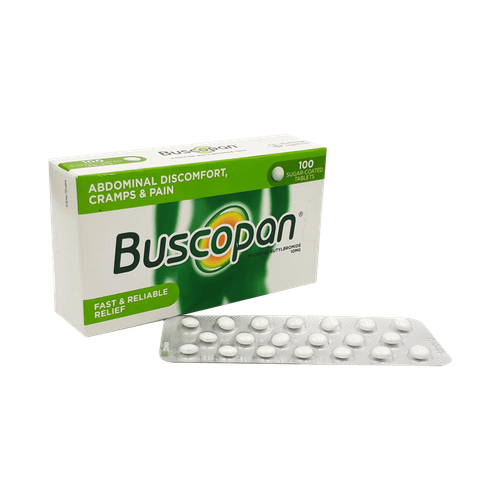
Although the exact cause of irritable bowel syndrome remains unknown, those experiencing this digestive disorder are familiar with its distressing symptoms, including abdominal discomfort, cramping pain, diarrhea, constipation, bloating, and gas.
With many worsening and unpredictable symptoms, many people wonder: Can lifestyle adjustments, such as fasting, help manage Irritable Bowel Syndrome?
2. Does Fasting Help Treat Irritable Bowel Syndrome?
A lifestyle change that is sometimes discussed regarding irritable bowel syndrome is fasting. Two types of fasting related to IBS are intermittent fasting and prolonged fasting.
With intermittent fasting, patients alternate between periods of eating and not eating. Prolonged fasting involves restricting food intake and possibly liquids for an extended period (from 24 to 72 hours).
According to Ryan Warren, RD, a dietitian at NewYork-Presbyterian Hospital and Weill Cornell Medicine, the benefits or drawbacks of fasting for irritable bowel syndrome depend significantly on the type of irritable bowel syndrome and its underlying causes.
Research on fasting as a method to manage irritable bowel syndrome is very limited. Further studies are needed to determine whether fasting has a positive impact on irritable bowel syndrome?

3. How Is the Migrating Motor Complex Related to Fasting in Irritable Bowel Syndrome?
The migrating motor complex (MMC) is a distinct pattern of electromuscular activity observed in the smooth muscles of the gastrointestinal tract during the periods between meals, similar to fasting periods.
Warren explains that it can be thought of as three phases of a natural "cleansing wave" in the upper digestive tract, occurring every 90 minutes between main meals and snacks.
Some believe that this theory contributes to the positive effects of fasting on irritable bowel syndrome. However, while there is extensive research on the migrating motor complex itself, there is little to no scientific evidence proving its role in alleviating the symptoms of irritable bowel syndrome.
4. Why Can Fasting Improve Irritable Bowel Syndrome?
If a patient’s symptoms occur as a reaction to eating—such as bloating, abdominal distension, or diarrhea after meals—Warren states that prolonged fasting (or structured meal spacing) may be beneficial in managing these types of symptoms.
This is because fasting patterns may help stimulate the migrating motor complex mechanism, which could improve certain irritable bowel syndrome symptoms, particularly when small intestinal bacterial overgrowth is a suspected or confirmed cause.
Warren explains: “Studies indicate that suboptimal migrating motor complex function is associated with small intestinal bacterial overgrowth, which can often be the underlying cause of irritable bowel syndrome.
Optimal motility is crucial as it helps reduce the occurrence of SIBO and excessive fermentation of food, which may trigger irritable bowel syndrome symptoms.
Additionally, Warren states that fasting may be associated with favorable changes in the gut microbiota.

5. Why Might Fasting Not Be Beneficial for Irritable Bowel Syndrome?
According to Warren, fasting may not be helpful for irritable bowel syndrome in cases where prolonged fasting leads to consuming larger portions of food at the end of the fasting period.
Warren explains that when working with patients who exhibit hypersensitivity in the gastrointestinal tract, feelings of hunger or food deprivation can be a trigger. Certain irritable bowel syndrome symptoms may arise due to an empty stomach in these individuals. These symptoms may include:
- Pain;
- Abdominal cramping;
- Nausea;
- Hunger pangs;
- Acid reflux.
6. What Are the Different Ways to Treat Irritable Bowel Syndrome?
Since research and scientific evidence on fasting are limited, it is important to consider alternative methods for treating irritable bowel syndrome. Some approaches include:
6.1 Dietary Adjustments
One of the first steps in managing irritable bowel syndrome is modifying the diet. Avoiding trigger foods is key to controlling symptoms.
Eating smaller meals at regular intervals is a common recommendation, which contrasts with the concept of fasting. Additionally, healthcare providers may suggest increasing fiber intake and staying hydrated.
6.2 Physical Activity
Engaging in regular exercise and physical activities can help reduce stress and alleviate irritable bowel syndrome symptoms.
6.3 Stress Reduction
Practicing stress-reducing activities such as deep breathing, relaxation techniques, meditation, and physical activities can help relax muscles and ease irritable bowel syndrome symptoms. Some individuals also find success with talk therapy to manage stress levels.
6.4 Medication Therapy
Your doctor may prescribe medication to help treat irritable bowel syndrome by:
- Allowing the colon to rest;
- Reducing diarrhea;
- Easing bowel movements;
- Preventing bacterial overgrowth.

In summary, reducing irritable bowel syndrome symptoms through fasting has not yet been supported by sufficient research or scientific evidence. If you are considering fasting, consult with a doctor or a dietitian. They can help you determine whether this approach is suitable for you.
For safety, patients should visit a hospital for a specialist examination and an accurate diagnosis of irritable bowel syndrome. Currently, Vinmec International General Hospital is a reputable medical facility trusted by many patients for diagnosing gastrointestinal diseases, chronic diarrhea, Crohn’s disease...Additionally, at Vinmec Hospital, gastric cancer screening and stomach polyp detection are performed through gastroscopy using the Olympus CV 190 endoscope, with NBI (Narrow Band Imaging – endoscopy with a narrow-band light spectrum) function, providing clearer analysis of mucosal pathology compared to conventional endoscopy, aiding in the early detection of colonic ulcers, gastrointestinal cancer lesions...
References:Irritable bowel syndrome. (2017). niddk.nih.gov/health-information/digestive-diseases/irritable-bowel-syndrome Kanazawa M, et al. (2006). Effects of fasting therapy on irritable bowel syndrome. DOI: 1207/s15327558ijbm1303_4 Lacy, BE, et al. (2017). Rome criteria and a diagnostic approach to irritable bowel syndrome. DOI: 3390/jcm6110099 Mayo Clinic Staff. (2018). Irritable bowel syndrome. (2018). mayoclinic.org/diseases-conditions/irritable-bowel-syndrome/symptoms-causes/syc-20360016 Menees S, et al. (2018). The gut microbiome and irritable bowel syndrome. DOI: 12688/f1000research.14592.1 Pimentel M, et al. (2002). Lower frequency of the migratory motor complex is found in irritable bowel syndrome subjects with abnormal lactulose breath test, suggestive bacterial overgrowth. DOI: 1023/A:1021039032413 The migrating motor complex. (n.d.). vivo.colostate.edu/hbooks/pathphys/digestion/stomach/mmcomplex.html Warren R. (2019). Personal interview.
To arrange an appointment, please call HOTLINE or make your reservation directly HERE. You may also download the MyVinmec app to schedule appointments faster and manage your reservations more conveniently.