
The article has been professionally reviewed by Lê Thị Thu Hằng, Specialist Level I, MD, Dermatologist at the Outpatient & Internal Medicine Department, Vinmec Hải Phòng International Hospital.
Gibert’s pityriasis rosea is an acute skin disease. When having this disease, there will be characteristic skin lesions on the patient’s skin, which usually resolve on their own over time without requiring treatment.
1. What is Gibert’s pityriasis rosea?
Gibert pityriasis rosea is an acute, mild inflammatory skin disease with lesions. It is characterized by the red, scaly patches on the skin accompanied by itching.
The exact cause for Gibert’s pityriasis rosea is still unknown. The disease appears more frequently during seasonal transitions, such as during spring and autumn. It can affect both adults and children.
Although the disease is generally benign, it may cause complications in neonatal and pregnant women. Since the exact cause of Gibert’s pityriasis rosea is still unknown, doctors typically rely on clinical manifestations for diagnosis and treatment.
2. Is Gibert’s pityriasis rosea contagious?
Although the exact cause of the disease is still unknown, it is not easily transmitted from one person to another.
The disease generally does not cause any pain to the patient and can resolve on its own without treatment. However, it can cause significant itching that affects the patient’s daily life. In some cases, it may recur multiple times.

3. Symptoms of Gibert pityriasis rosea
3.1 Clinical manifestation
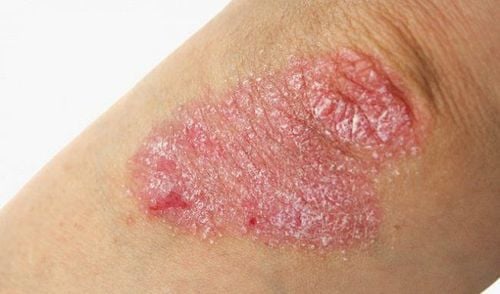
- Initially, there will be pink patches on the skin. These patches are oval-shaped, reddish, scaly, and slightly raised above the skin surface. Common locations include abdomen, chest, back, neck, forearms, etc.
- After 7-14 days, these patches start to shred and may cause itching. Lesions typically range between 2-5 cm in diameter.
- Studies suggest that 69% of the patients with Gibert’s pityriasis rosea also experience respiratory infections, such as: nasal congestion, sore throat, cough, etc. Other associated symptoms include light fever, headache, nausea, fatigue, etc.
Skin lesions associated with Gibert’s pityriasis rosea disease usually disappear after 6 weeks but can persist for 2-3 months in some cases.
3.2 Laboratory findings
When undergoing medical examination and laboratory tests:
- Histopathology shows non-specific findings. Inflammatory cell infiltration in the dermal papillae.
- Immunohistochemistry shows predominantly CD4+ T cells.
- Fungal test comes back negative.
- Syphilis serology test comes back negative.
4. Treatment

Gibert’s pityriasis rosea can resolve on its own, treatment is recommended if itching becomes severe and affects the patient’s well-being.
4.1 Using moisturizers and soothing creams
Applying moisturizers and soothing creams helps soothe the affected skin. Proper hydration can reduce dryness, itching, and discomfort.
4.2 Using topical steroid creams
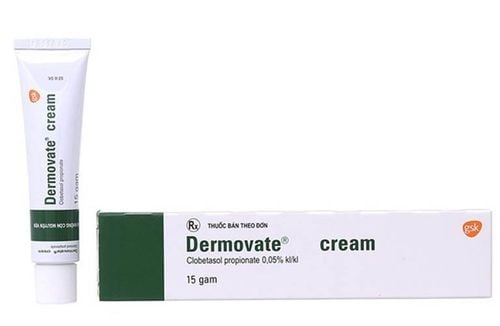
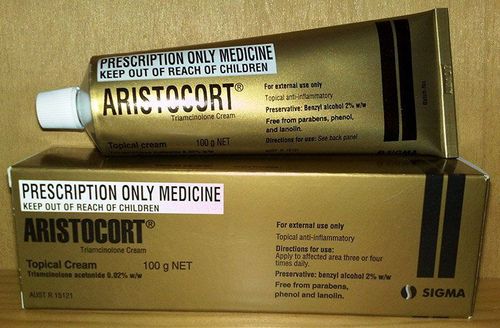
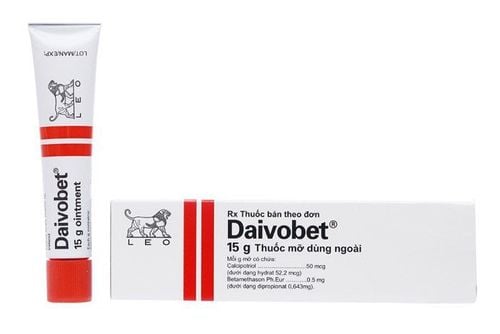
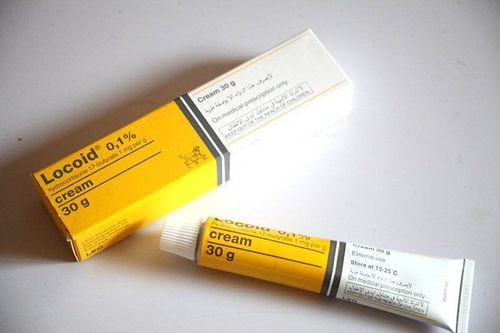
Corticoid derivatives (Betamethasone and Hydrocortisone) can reduce itching, swelling and inflammation. This is usually chosen when soothing cream cannot help reduce itching. However, topical steroid creams should be used only on inflamed areas and not for prolonged periods or on large skin surfaces.
4.3 Antihistamine drugs
If itching worsens at night and affects sleep, doctors may prescribe antihistamines to reduce allergic reaction. Common side effects of these drugs include drowsiness and dizziness when first used, so driving should be avoided while taking this medication.
4.4 Antiviral medications Acyclovir
Antiviral medications prescribed if viral presence is detected in lab tests. This group of drugs can inhibit viral activity and reduce the severity of symptoms.
To arrange an appointment, please call HOTLINE or make your reservation directly HERE. You may also download the MyVinmec app to schedule appointments faster and manage your reservations more conveniently.