Atrial fibrillation is related to arrhythmia disorders, so people with this condition need to pay close attention to the foods they consume in their diet. Foods high in salt can lead to high blood pressure, which negatively affects atrial fibrillation... This article will discuss some types of foods that should or should not be consumed for this condition.
1. Atrial Fibrillation
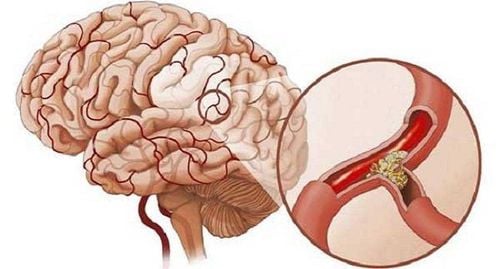
Atrial fibrillation is a condition where the heart beats rapidly or irregularly, which can lead to blood clots, stroke, heart failure, and other heart-related complications. At least 2.7 million Americans are living with atrial fibrillation.
During an episode of atrial fibrillation, the upper chambers of the heart (atria) beat chaotically and irregularly—out of sync with the lower chambers (ventricles). For many people, atrial fibrillation may have no symptoms. However, it can cause a rapid, pounding heartbeat (palpitations), shortness of breath, or weakness.
Atrial fibrillation episodes may come and go, or they can be persistent. Although atrial fibrillation itself is not usually life-threatening, it is considered a serious medical condition that requires appropriate treatment to prevent stroke.
Treatment for atrial fibrillation may include medications, therapy to reset heart rhythm, and catheter procedures to block faulty heart signals.
A person with atrial fibrillation may also have a related heart rhythm problem called atrial flutter. Although atrial flutter causes a different type of irregular heartbeat, its treatment is quite similar to atrial fibrillation.
2. Recommended Foods for Atrial Fibrillation Patients
2.1. Fast Food
If you have atrial fibrillation and an irregular heartbeat, you should pay attention to your diet. Too much salt can raise your blood pressure, and high blood pressure increases your risk of atrial fibrillation. It can also make your symptoms harder to control, increasing your chances of having a stroke.
A single serving of sliced turkey can contain more than 1,000 milligrams of sodium—enough for your entire daily intake. Other high-sodium foods include pizza, canned soups, bread, and rolls. Most fast foods or packaged foods contain excessive salt for preservation purposes. When selecting fast food, check food labels for lower-sodium options. Additionally, atrial fibrillation patients should choose fresh, low-sodium foods. Herbs can also help enhance food flavor without adding extra salt.
Studies show that reducing dietary salt can lower the risk of atrial fibrillation. People who consume less salt generally have better heart health compared to those with high salt intake.
2.2. Instant Oatmeal
What should atrial fibrillation patients eat? Instant oatmeal can be a good choice, but always check the sugar content on the product label. Excessive sugar in your diet can lead to obesity and high blood pressure, both of which can trigger atrial fibrillation episodes. Hidden sources of sugar can be found in pasta sauces, granola bars, and ketchup.
2.3. Coffee
The science on caffeine as an atrial fibrillation trigger is mixed. However, recent clinical studies suggest that there is no strong link between coffee and atrial fibrillation. More research is needed to confirm this. Regardless, it’s best not to consume coffee excessively. Too much caffeine can raise your blood pressure and heart rate, potentially triggering atrial fibrillation episodes.
2.4. Dark Leafy Greens
Blood-thinning medications can help prevent blood clots that lead to stroke. However, these medications may not work effectively if you consume too much vitamin K-rich food, such as lettuce, spinach, and kale. You should consult your doctor to determine if leafy greens affect your medication. If so, your doctor may adjust your dosage or switch your medication so that you can still enjoy these healthy foods.
Atrial fibrillation patients should maintain a stable intake of vitamin K to avoid affecting their condition. The recommended daily intake depends on age and gender:
• Teenagers (ages 14-18): 75 mcg/day
• Men over 19: 120 mcg/day
• Women over 19: less than 90 mcg/day
2.5. Grapefruit
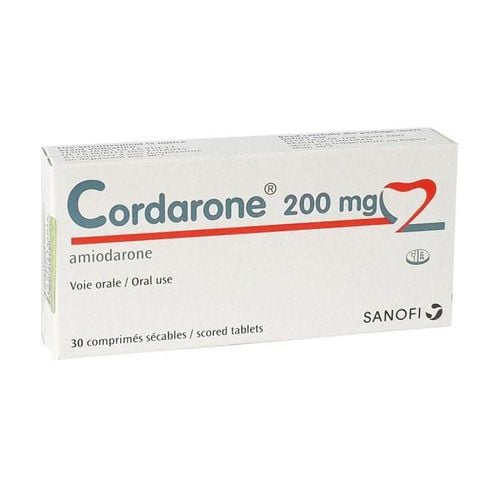
What should atrial fibrillation patients avoid? Although grapefruit is rich in vitamins, it is not ideal for atrial fibrillation patients. If you take medication to control heart rhythm, avoid grapefruit and its juice until you consult your doctor. Grapefruit contains compounds like naringenin, which can alter the way your body absorbs certain medications. It may interfere with antiarrhythmic drugs such as Cordarone and Tikosyn, increasing the likelihood of side effects.
2.6. Red Meat
Saturated fats in beef, lamb, and pork can raise bad cholesterol levels in your blood. High LDL cholesterol can lead to heart disease and atrial fibrillation, increasing stroke risk. Opt for lean cuts like sirloin, round steak, or pork tenderloin. For burgers or meatloaf, choose at least 90% lean ground beef or mix in beans to cut down on fat.
2.7. Butter
Dairy products made from whole milk or 2% milk, cream, and cheese are also sources of saturated fat. Your body naturally produces all the bad cholesterol it needs, and consuming saturated fats increases cholesterol production. A better choice for your heart is skim milk or low-fat dairy products. Additionally, atrial fibrillation patients should use heart-healthy oils like olive or canola oil for cooking.
2.8. Fried Foods
Donuts, french fries, and potato chips contain what some doctors call the worst type of fat: trans fats. These fats raise bad cholesterol and lower good cholesterol. Baked goods like cookies, cakes, and muffins may also contain trans fats.
2.9. Energy Drinks
Many energy drinks contain not only large amounts of caffeine but also additional stimulants that can be harmful to your heart. One study found that energy drinks caused more changes in heart rhythm than other caffeinated beverages. Another study linked energy drinks to an increased risk of atrial fibrillation. Check with your doctor before consuming these beverages.
2.10. Sea Salt
Although sea salt has larger crystals and a slightly different taste, it has the same sodium content as table salt. One teaspoon contains about 2,300 milligrams of sodium—the recommended daily limit. To reduce your salt intake, use different herbs and spices for seasoning, such as ginger for chicken or paprika for soups.
2.11. White Rice
These grains lose essential nutrients and fiber needed for heart health. Fiber helps lower cholesterol and reduces the risk of heart disease, obesity, and type 2 diabetes—all conditions linked to atrial fibrillation. Choose brown rice or wild whole grains, which keep you full longer and may help lower stroke risk.
2.12. Cold Drinks
Chilled drinks help cool you down on a hot day, but they may also trigger atrial fibrillation. Although research is still in the early stages, a recent study suggests a potential link between cold drink consumption, brain freeze, and irregular heartbeat. If you experience trembling after drinking cold beverages, talk to your doctor for further evaluation.
2.13. Overeating
Consuming excessive amounts of food, even healthy foods, can lead to weight gain. Being overweight increases the risk of atrial fibrillation. Overeating also raises the likelihood of recurrence after certain treatments. If your BMI is 30 or higher, aim to lose at least 10% of your body weight. Start by controlling portion sizes, such as sharing meals at restaurants or packing half your meal to-go before eating.
2.14. Healthy Fats
Studies suggest that healthy fats, such as omega-3 fatty acids, have anti-inflammatory and antioxidant properties that stabilize heart rhythm. Atrial fibrillation patients should consume more fatty fish like salmon and sardines, as well as seafood such as shrimp, oysters, and clams.
Avoid unhealthy trans fats found in margarine, potato chips, and cookies, as they negatively impact heart health.
2.15. Turmeric
Curcumin, a compound in turmeric, has anti-inflammatory and antioxidant effects beneficial for heart health, particularly in atrial fibrillation patients. Experts recommend adding turmeric to daily meals to help prevent arrhythmia.
Reference source: webmd.com
To arrange an appointment, please call HOTLINE or make your reservation directly HERE. You may also download the MyVinmec app to schedule appointments faster and manage your reservations more conveniently.