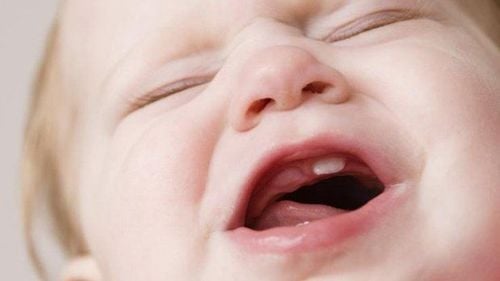
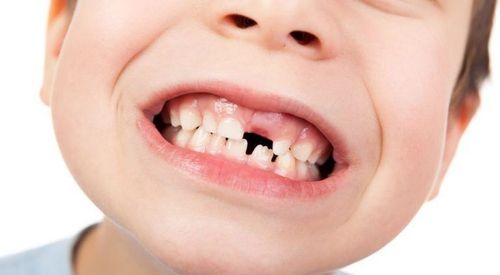
Baby teeth and permanent teeth are two completely different types of teeth, but they are closely related. These two types of teeth are often difficult to distinguish because most baby teeth are eventually replaced by permanent teeth, although there are some teeth that grow in without replacing baby teeth. So, what exactly are baby teeth and permanent teeth, and how can we tell them apart? This article will help you understand these two types of teeth more clearly.
1. What are Baby Teeth?
Baby teeth are the first teeth that emerge, forming during the development stage of young children, typically between 4 to 24 months of age while they are still breastfeeding.
2. What are Permanent Teeth?
Permanent teeth are the teeth that grow after the baby teeth fall out. In other words, permanent teeth will replace the baby teeth initially and remain throughout a person’s lifetime. If a permanent tooth is lost, it will not grow back. Permanent teeth can emerge earlier or later than the typical schedule, spanning several years.
3. How to Distinguish Between Baby Teeth and Permanent Teeth?
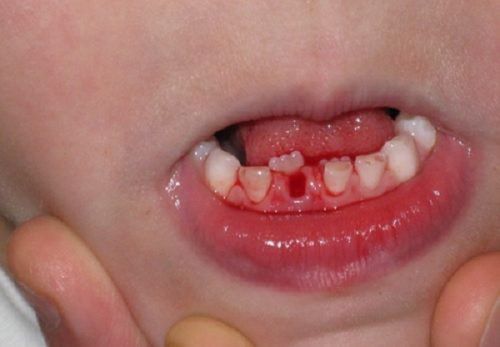
Several factors help distinguish between baby teeth and permanent teeth:
Number of Teeth:
A child will start growing teeth around 4 to 6 months of age and will have a full set of 20 baby teeth by about 2.5 years old, which includes:
- 4 central incisors
- 4 lateral incisors
- 4 canines
- 8 molars
Around the age of 6, children begin to grow permanent teeth to replace their baby teeth as they fall out.
Between the ages of 8 and 12, a mix of baby and permanent teeth will emerge in the child's mouth. Permanent teeth are larger than baby teeth.
By about age 12, all of a child’s baby teeth should have fallen out, and the child will have 28-32 permanent teeth, including:
- 4 central incisors
- 4 lateral incisors
- 4 canines
- 8 premolars
- 8-12 molars
Most people will continue to grow wisdom teeth between the ages of 18 and 25, or even later. However, some individuals may not grow wisdom teeth.

Baby Teeth Have Thinner Enamel and Dentin:
The enamel and dentin of baby teeth are thinner and more translucent, with larger pulp chambers due to the lack of nerves. Consequently, cavities in baby teeth progress faster to the pulp compared to permanent teeth. Baby teeth have about 1mm of enamel, which is thinner than the 2-3mm of enamel on permanent teeth.
The dentin in baby teeth is also softer and more vulnerable to acid, resulting in a higher rate of cavities in children compared to adults. If a cavity appears in a baby tooth, it should be treated early.
Permanent Teeth Are More Yellowish:
Baby teeth are typically white and opaque due to their lower inorganic content, while permanent teeth are more transparent with a yellowish hue.
Permanent Teeth Have Cusps: Permanent teeth, especially the permanent incisors, have small cusps (bumps) on the biting edges when they first emerge. These cusps wear down with eating and chewing over time.
Differences in Shape:
The crown of baby teeth is shorter compared to permanent teeth, as baby teeth have a larger proportion of width to height.
Baby incisors and canines are smaller and less slender than permanent ones.
Wider Roots in Baby Teeth:
When compared to their crown, the roots of baby teeth are longer and narrower. Baby teeth have more roots in general, especially in the molars (usually 3 roots in upper molars and 2 in lower molars), and these roots are often spread out, making the removal of baby teeth more complicated
In baby teeth, the roots near the neck of the tooth are more spread out, and as they approach the tip, they tend to diverge more.
4. The Relationship Between Baby Teeth and Permanent Teeth
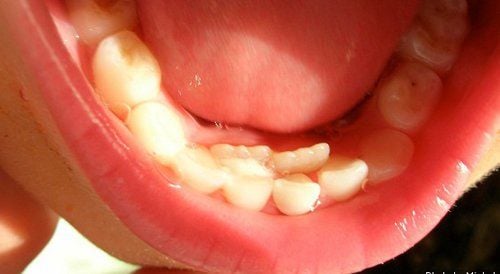
Normally, permanent teeth emerge at the location where baby teeth have fallen out. This occurs because the pressure from the permanent teeth underneath causes the roots of the baby teeth to be resorbed, making them loose and allowing them to fall out to make room for the permanent teeth.
However, if the permanent teeth are positioned too far away from the baby teeth, the permanent teeth will erupt without the need for the baby teeth to fall out. Or if the baby teeth do not fall out even when it’s time to replace them, the permanent teeth will emerge in a crooked position, often pressing or crowding against the baby teeth.
Thus, baby teeth and permanent teeth are closely linked. The presence of baby teeth not only serves the function of chewing and aesthetics but also plays an important role in guiding the eruption of permanent teeth in children.
To arrange an appointment, please call HOTLINE or make your reservation directly HERE. You may also download the MyVinmec app to schedule appointments faster and manage your reservations more conveniently.