Open wounds have a high risk of bacterial contamination and subsequent infection. Therefore, facilitating optimal wound healing requires both proper wound care techniques and adequate nutritional support to promote cellular regeneration and tissue repair. So, what evidence-based strategies can enhance the wound healing process?
1. Optimal Management of Open Wounds
For superficial open wounds with limited depth and minimal risk of infection, self-care at home may be sufficient without requiring professional medical intervention. However, adherence to the following steps in the correct sequence is essential to facilitate wound healing and prevent complications:
- Step 1: Hemostasis - The initial priority in wound management is achieving hemostasis. Apply a sterile gauze pad or clean cloth over the wound and exert direct pressure to promote vasoconstriction and facilitate clot formation.
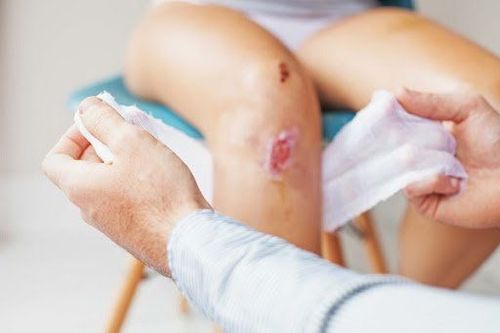
- Step 2: Wound Irrigation and Debridement - Thoroughly cleanse the wound using an antiseptic solution, sterile normal saline, or clean running water to remove contaminants, necrotic tissue, and microbial pathogens. If the wound contains foreign bodies such as glass shards or embedded debris, or if it is extensive, a professional medical evaluation is necessary to perform proper wound debridement using specialized surgical instruments.
- Step 3: Infection Prevention and Topical Therapy - Following wound irrigation, apply a topical antibiotic ointment to prevent bacterial colonization and promote epithelialization.
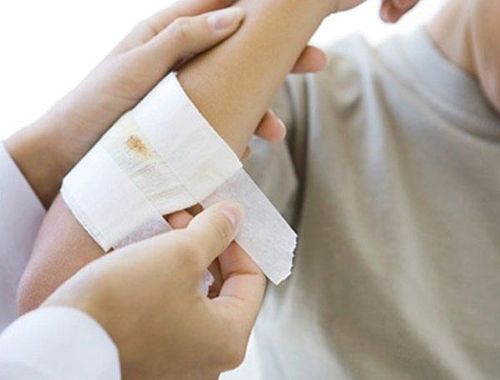
- Step 4: Wound Dressing and Protection - Cover the affected area with a sterile, moisture-retentive, and breathable dressing for minor wounds to provide mechanical protection and reduce the risk of secondary infection. The wound should be adequately covered, but excessive compression should be avoided to prevent ischemia and impaired tissue perfusion.
- Step 5: Wound Monitoring and Dressing Changes - Regularly assess the wound for signs of infection, including erythema, increased exudate, localized warmth, or delayed healing. Change the dressing at least once daily, ensuring that the wound is cleansed and treated with appropriate antimicrobial agents at each dressing change. If there are indications of wound dehiscence, purulent discharge, or worsening symptoms, a medical evaluation is warranted to determine the need for systemic antibiotic therapy or surgical intervention.
2. Nutritional Strategies to Accelerate Wound Healing
Optimal nutritional support is crucial in wound healing by promoting angiogenesis, collagen synthesis, and cellular proliferation. Patients with open wounds should incorporate the following nutrients into their diet to facilitate tissue repair and immune function:
High-quality protein sources (e.g., lean meats, fish, eggs, legumes, and nuts) provide essential amino acids for fibroblast activity, extracellular matrix formation, and granulation tissue development. A daily protein intake of 1.2–2.0 g/kg body weight is recommended, ensuring at least 20–30 g per main meal and 10–15 g per snack.
Vitamin C-rich foods (e.g., citrus fruits, strawberries, bell peppers) enhance collagen cross-linking, immune modulation, and oxidative stress reduction, mitigating the risk of wound infection and delayed healing.
Micronutrient supplementation with vitamins A, E, and B-complex is crucial for keratinocyte differentiation, epithelial regeneration, and inflammatory response modulation.
Adequate hydration is essential for cellular homeostasis and optimal blood circulation, with a recommended daily fluid intake of at least 1.5–2.0 liters. Water intake may be supplemented with low-sugar herbal teas, unsweetened fruit juices, or milk-based beverages.
Zinc and selenium in shellfish, eggs, whole grains, and organ meats contribute to immune defense, antioxidant activity, and collagen deposition, reducing wound infection risk.
Iron-rich foods (e.g., liver, dairy products, and dark leafy greens) support erythropoiesis and oxygen transport, facilitating angiogenesis and leukocyte function in wound healing.
Conversely, specific dietary components should be restricted during wound recovery, as they may exacerbate inflammatory responses or impair tissue repair. Poultry, glutinous rice-based foods, and sticky rice dishes may contribute to pruritus and excessive granulation tissue formation. Red meat (e.g., beef) and water spinach (Ipomoea aquatica) are associated with an increased risk of hypertrophic and hyperpigmented scar formation during wound healing stages.

3. Evidence-Based Home Interventions to Promote Open Wound Healing
In addition to topical or systemic antimicrobial therapy, several bioactive compounds derived from natural sources have demonstrated wound-healing properties, including anti-inflammatory, antimicrobial, and tissue-regenerative effects. The following interventions may support the physiological wound repair process:
3.1 Aloe Vera (Aloe barbadensis miller)
The mucilaginous gel extracted from aloe vera leaves is rich in essential minerals, vitamins, and polysaccharides, facilitating epithelialization, fibroblast proliferation, and extracellular matrix remodeling. Additionally, aloe vera contains glucomannan, a key modulator of cellular regeneration and collagen synthesis. Due to its biocompatibility and minimal risk of irritation, direct topical application of aloe vera gel to the open wound may promote faster tissue repair.
3.2 Apple Cider Vinegar
A diluted acetic acid solution (apple cider vinegar) may serve as an adjunctive antiseptic for individuals with multiple superficial wounds by reducing microbial colonization and infection risk. This method may also aid in moisture balance and wound desiccation.
To apply locally, soak a sterile dressing in a diluted vinegar solution and place it over the affected area.
3.3 Tea Tree Oil (Melaleuca alternifolia)
Tea tree oil exhibits broad-spectrum antimicrobial, anti-inflammatory, and analgesic properties, making it a potential topical antiseptic for minor wounds. Given its low cytotoxicity at therapeutic concentrations, tea tree oil may be applied directly to the wound to mitigate local inflammation, microbial contamination, and pain perception.
3.4 Turmeric (Curcuma longa) Extract
Turmeric contains curcumin, a polyphenolic compound with anti-inflammatory, antioxidant, and antimicrobial properties that help wound contraction progression. Following adequate wound decontamination, turmeric powder can be reconstituted in sterile water to form a paste, which may then be applied topically and covered with an appropriate dressing to optimize tissue regeneration.
Although minor traumatic wounds with minimal hemorrhage generally heal without complications, wounds located in functionally or cosmetically sensitive areas, those with signs of infection, or those at risk for delayed healing warrant prompt medical evaluation. Patients should seek specialized wound care at a healthcare facility for evidence-based clinical management and, if necessary, advanced wound therapies.
Read more:
To arrange an appointment, please call HOTLINE or make your reservation directly HERE. You may also download the MyVinmec app to schedule appointments faster and manage your reservations more conveniently.