The consequences of chronic venous insufficiency (CVI) of the legs include increased pressure within the venous system, leading to various clinical manifestations. Treatment methods for CVI may involve sclerotherapy, surgery, or medication. So, what medications are indicated for the treatment of chronic venous insufficiency of the legs?
1. What is Chronic Venous Insufficiency of the Legs?
The lower limbs have two types of veins:
- Superficial veins: Located under the skin and visible.
- Deep veins: Located deeper within the muscles and not visible.
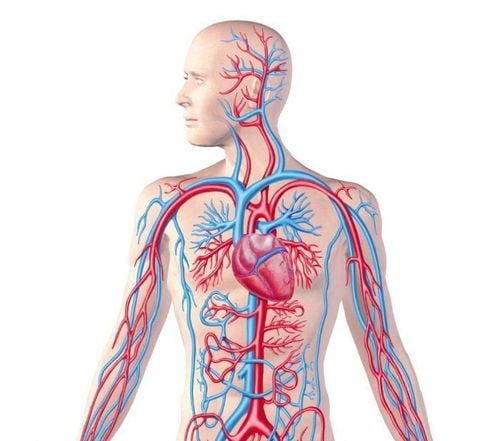
Chronic venous insufficiency (CVI) of the legs, also known as lower extremity venous insufficiency, is a condition where the vein function in the legs is weakened, leading to ineffective blood return to the heart, causing blood to pool in the legs. The consequences of CVI are increased pressure within the venous system, resulting in various clinical manifestations ranging from mild to severe.

2. Causes of Chronic Venous Insufficiency of the Legs
Causes and risk factors for chronic venous insufficiency include:
- Habitual long periods of standing or sitting, leading to blood stagnation and increased venous pressure in the legs.
- Deep vein thrombosis, which obstructs blood flow back to the heart.
- Phlebitis and the formation of blood clots in both deep and superficial veins.
- Congenital valve defects.
Additionally, certain factors increase the risk of chronic venous insufficiency, such as: women with multiple pregnancies, overweight or obese, chronic constipation, use of contraceptive pills, humid and hot working environments, lack of exercise, smoking, age over 50, prolonged sitting…
3. Symptoms of Varicose Veins in Legs
The symptoms of varicose veins in the legs often worsen in the late afternoon, after a day of work or prolonged standing. They usually improve in the morning or with rest and leg elevation. Early signs and symptoms include:
- Visible dilated veins in the skin, leg swelling, aching in the back of the calves, cramps, skin changes, and ulcers.
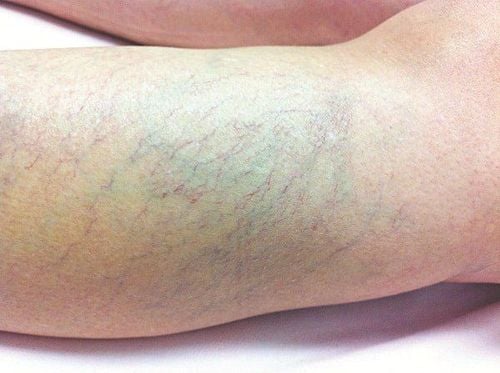
- In the case of superficial varicose veins, symptoms often include pain below the dilated area, leg swelling, itching, sometimes dermatitis, and visible, winding blue veins.
- Patients may experience a feeling of tightness in the calves, leg heaviness, leg fatigue, and sometimes numbness or a tingling sensation in the feet.
- Nighttime calf cramps and swelling around the ankles are common.
If left untreated, varicose veins can lead to complications such as the formation of blood clots within the dilated veins. These clots can travel to the lungs, causing a pulmonary embolism, which can lead to respiratory failure and potentially be fatal if not treated promptly.
3. Treatment of Chronic Venous Insufficiency in the Legs
3.1 Treatment Methods
Medical Treatment: When using this method, patients should avoid prolonged sitting or standing; engage in regular physical exercise; wear compression stockings; manage their weight effectively; elevate their legs when resting; and maintain a balanced diet. Medical treatment may be combined with medications to treat lower extremity varicose veins.
Sclerotherapy: Sclerotherapy is often applied in cases of small, localized varicose veins to treat chronic venous insufficiency in the legs.
Surgery: Surgery is indicated for severe cases of chronic venous insufficiency or when complications arise, and medical treatment is ineffective. Surgery has a low recurrence rate for the condition.

Radiofrequency Ablation or Laser Therapy: This approach is recommended for patients with grade 2 or higher varicose veins in the lower extremities, or for those who have not responded to conservative medical management. This method involves the use of heat to destroy tissue through the friction of ions within the tissue under the influence of alternating current.
3.2. Medications for Varicose Vein Treatment
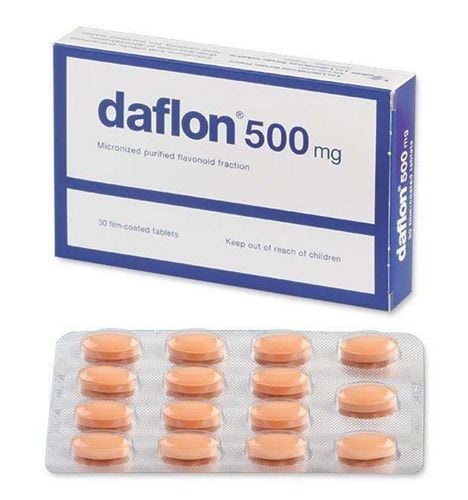
Medications used in the treatment of varicose veins aim to strengthen vein walls or induce sclerosis of the vessel lumen through local sclerosing injections. Conservative medical treatment with venotonic drugs such as Daflon, Rutin C, and Veinamitol can help reinforce vein walls, but their effectiveness is primarily observed in the early stages of varicose vein development.
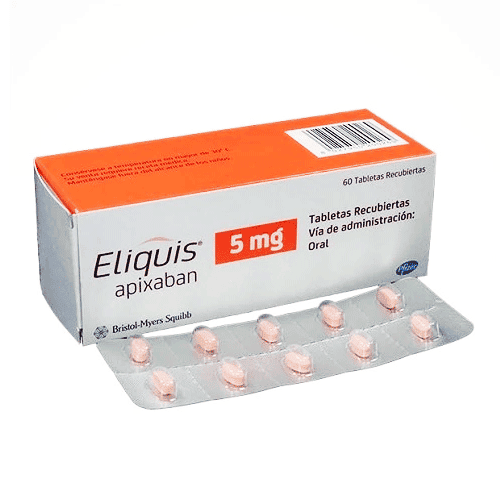
VMedications supporting the treatment of chronic venous insufficiency include: antibiotics, anti-inflammatory drugs, analgesics, anticoagulants, thrombolytics, and venotonics. In certain cases, local sclerosing injections using sclerosing agents may be necessary.
4. Preventing Chronic Venous Insufficiency
To prevent chronic venous insufficiency, individuals should:
- Maintain a reasonable weight; exercise regularly, especially muscle exercises.
- Avoid smoking and alcohol consumption.
- If already suffering from chronic venous insufficiency, avoid soaking feet in hot water as it can further dilate the veins and cause pain.
- Improve working conditions, avoid standing in one position for prolonged periods, and schedule reasonable rest breaks.
- Undergo regular health check-ups every six months to detect early signs of chronic venous insufficiency.

>>For further information, refer to: Varicose Veins: What You Need to Know - The article is professionally consulted by La Thi Thuy, MSc, MD - Cardiovascular Center - Vinmec Central Park International General Hospital.
To arrange an appointment, please call HOTLINE or make your reservation directly HERE. You may also download the MyVinmec app to schedule appointments faster and manage your reservations more conveniently.