This article is professionally consulted by Neang Chanh Ly, Specialist Doctor 1, MD - Obstetrician and Gynecologist - Obstetrics and Gynecology Department - Vinmec Phu Quoc International General Hospital
The menstrual period is considered a favorable condition for the growth of pathogenic bacteria. Due to the slight opening of the cervix during this time, bacteria can easily enter the vagina and uterus, causing infections. Therefore, adolescent girls and women during menstruation need to know how to maintain proper hygiene to minimize the risk of vaginal infections.
1. Some Issues Related to the Menstrual Cycle
Currently, the age of puberty is decreasing, leading to earlier puberty in girls becoming more common. During this period, girls experience anxiety along with shyness and confusion. Therefore, girls need to be carefully guided by their mothers during this phase. Some important considerations for both girls and adult women during this period include:
1.1 Physical Activity
Girls in puberty and women during menstruation should do light work and move gently. They should avoid sports that require a lot of strength. Recommended sports during menstruation include: light walking, light exercises, table tennis, etc. They should avoid strenuous sports such as weightlifting, swimming, etc.
During this period, women should not travel far as the body is easily fatigued. If menstrual cramps occur, rest, and apply a warm compress to the lower abdomen to alleviate the pain.
1.2. Dietary Recommendations
During menstruation, women should maintain a balanced diet with adequate nutrients. It is advisable to increase protein intake, particularly animal protein found in meats such as pork, beef, heart, liver, eggs, and foods rich in calcium. These nutrients support proper hemostasis and blood clotting.
Additionally, these foods provide other essential nutrients besides protein, such as carbohydrates, fats, minerals, vitamins, and fiber.
Moreover, adolescent girls and women during their menstrual cycle should consume more fruits, vegetables, and legumes. These foods are ideal as they help reduce sweet cravings. Sweet fruits can help curb sugar cravings, while vegetables and legumes can reduce hunger and fatigue during this period.
It is also advisable to minimize caffeine, strong tea, and carbonated drinks intake.
2. Menstrual Hygiene Practices
Proper hygiene during menstruation is crucial for the overall well-being and health of women, particularly adolescent girls. It's important for young women to receive guidance from adults on appropriate menstrual hygiene practices to minimize the risk of infections.

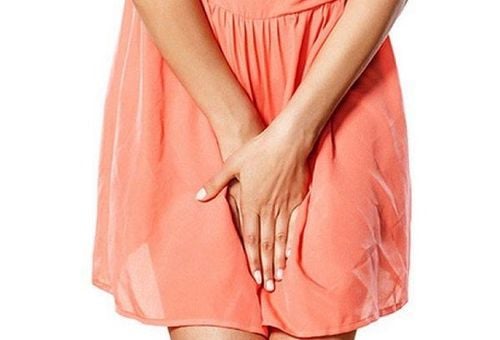
Maintaining intimate hygiene during menstruation is essential for protecting vaginal health. During the menstrual cycle, menstrual blood can accumulate in the pelvic area and reproductive organs, creating an environment that promotes the rapid growth of bacteria in menstrual blood.
Additionally, menstrual blood is continuously discharged throughout the day and night, sometimes even during rest or activity. Menstrual blood usually does not clot and can accumulate in the vagina. Even when it reaches the vulva, it can still remain there, causing discomfort, moisture, and itching. Furthermore, urination or defecation can increase the risk of bacterial infection in the intimate area.
Therefore, adolescent girls and women during this period need to bathe daily. Clean the intimate area at least 4 times a day, and always wash hands thoroughly before changing sanitary pads.
Daily, depending on the amount of menstrual blood, clean the intimate area, dry it thoroughly, and change sanitary pads. Use clean water for washing the intimate area. Do not use water that may cause infections, such as pond or river water.
During cold weather, use lukewarm water to cleanse the genital area. When cleansing during menstruation, it is best to use a running tap or a gentle stream of water to rinse thoroughly. Do not use a basin to soak and wash the genital area. You may use a small amount of neutral soap or a gynecological cleansing solution, as directed by the gynecologist's instructions.
After washing, you need to ensure the intimate area is cleaned and dried thoroughly. This hygiene routine should be performed regularly, especially after urination or defecation.
Additionally, keep your underwear dry. If there is leakage or incomplete urination, change your underwear 2-3 times a day. Avoid wearing wet underwear as it creates a moist environment conducive to the growth of harmful bacteria.
You should frequently change sanitary pads during your menstrual period. Using sanitary pads is necessary to absorb menstrual blood, preventing it from leaking out and causing unsanitary conditions. Furthermore, used sanitary pads should be carefully wrapped and disposed of in the trash. Change sanitary pads at least 3 times a day.
Avoid douching the vagina; only clean the external area.
During menstruation, avoid sexual intercourse as menstrual blood provides an environment prone to infections.
Additionally, pay attention to diet, rest, and engage in light activities. Wear loose, airy clothing, avoiding thick, tight garments, especially on hot days.
3. Preventing Vaginal Infections
The female intimate area is quite sensitive and essential for overall health, so it requires proper hygiene and care. Proper care can help avoid risks such as infections, foul-smelling discharge, and other gynecological diseases.
Using intimate hygiene solutions is one way to maintain hygiene during menstruation and daily. However, many intimate hygiene products on the market contain synthetic substances and chlorine, which can be harmful to health. Moreover, many products are non-reusable, leading to waste and environmental pollution. Therefore, it is advisable to research and choose natural intimate hygiene products that ensure health safety, are easy to use, and are environmentally friendly.
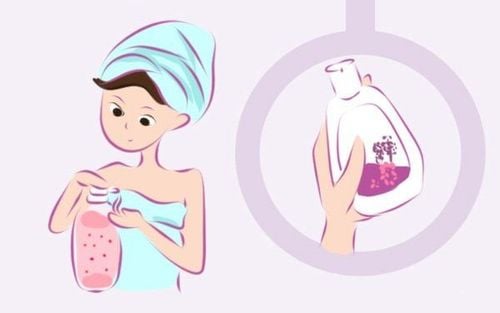
Hygiene products can be either single-use or reusable, such as:
- Single-use feminine hygiene products - including sanitary pads, tampons, and menstrual pads.
- Reusable feminine hygiene products - such as menstrual underwear and menstrual cups.
- Intimate hygiene solutions - used for cleaning the vulva or the inside of the vagina.
During menstruation, bacteria can move from the vulva and vagina upwards to the uterus and fallopian tubes, potentially affecting reproductive health. Therefore, maintaining proper intimate hygiene during menstruation is crucial to avoid genital infections.
To arrange an appointment, please call HOTLINE or make your reservation directly HERE. You may also download the MyVinmec app to schedule appointments faster and manage your reservations more conveniently.