Article written by a Urology Specialist, Vinmec Central Park International General Hospital
Sexually transmitted diseases (STDs) or sexually transmitted infections (STIs) typically occur through sexual contact. The pathogens causing STDs can be transmitted from person to person via blood, semen, vaginal secretions, and other bodily fluids.
1. What Are Sexually Transmitted Diseases?
Sexually transmitted diseases (STDs) are infections that spread through sexual contact. They are caused by bacteria, fungi, viruses, or parasites that pass from one person to another during sexual activity.
In some cases, these organisms can be transmitted without sexual contact, such as from mother to child during pregnancy or childbirth, through blood transfusions, or by sharing needles.
A person can contract an STD from someone who appears completely healthy or from an infected individual who is unaware of their condition. Since STDs do not always show symptoms, many experts prefer the term "sexually transmitted infections (STIs)" instead of STDs.
2. Symptoms of Sexually Transmitted Infections (STIs)"
STIs can present a wide range of signs and symptoms, and in some cases, they may not cause any noticeable symptoms. This is why many people do not realize they are infected until complications arise or their partner is diagnosed. Common signs and symptoms of STIs include:
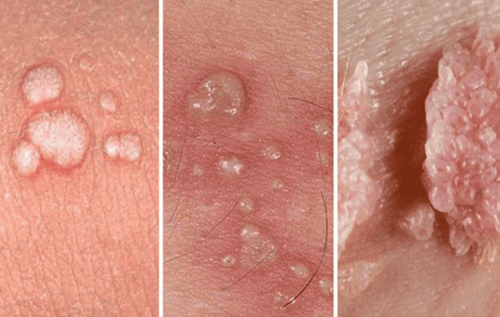
- Genital, oral, or anal sores or bumps
- Pain or burning sensation during urination
- Discharge from the urethra
- Unusual vaginal discharge with an abnormal odor
- Abnormal vaginal bleeding
- Pain during sexual intercourse
- Swollen or tender lymph nodes, especially in the groin but sometimes elsewhere
- Lower abdominal pain
- Fever
- Rashes on the body, hands, or feet
Symptoms may appear within a few days of exposure, or they may take years to manifest, depending on the type of infectious organism.

See also: Ureaplasma – One of the Sexually Transmitted Infection (STI) Pathogens - Article written by Nguyen Thu Hoai, Specialist Level II, MD, Department of Obstetrics and Gynecology, Vinmec Times City International General Hospital.
3. When to See a Doctor
You should see a doctor immediately if:
- You have had sexual intercourse and may have been exposed to someone with an STI.
- You have signs and symptoms of an STI and need to schedule a consultation with a doctor.
- You are about to become sexually active or have reached the age of 21, whichever comes first.
- You are planning to engage in sexual activity with a new partner.
4. Causes of Sexually Transmitted Infections
Sexually transmitted infections (STIs) can be caused by:
- Bacteria: such as gonorrhea, syphilis, and chlamydia.
- Parasites: such as Trichomonas vaginalis.
- Viruses: such as human papillomavirus (HPV), genital herpes, and HIV.
Sexual activity plays a major role in the transmission of these infections. However, some infections can also be spread through non-sexual means, such as: Viral hepatitis A, B, and C, Shigella and Giardia intestinalis infection.
Risk Factors for Contracting Sexually Transmitted Infections
Anyone who has engaged in sexual activity is at risk of contracting an STI, especially if engaging in unsafe sex. The following factors may increase the risk:
- Unprotected sex: Vaginal or anal intercourse with an infected partner without using a condom significantly increases the risk of STIs. Improper or inconsistent condom use also heightens the risk.
- Oral sex: While it carries a lower risk, STIs can still be transmitted if condoms or dental dams are not used. A dental dam is a thin, square sheet made of latex or silicone that prevents direct contact between oral mucous membranes and the skin.
- Multiple sexual partners: The more sexual partners you have, the higher the risk of infection.
- Previous history of STIs: Having had an STI makes you more susceptible to future infections.
- Forced sexual contact: Individuals who experience sexual assault or coercion are at risk of contracting STIs.
- Alcohol and substance abuse: The use of alcohol or medications can impair judgment, leading to risky sexual behaviors.
- Injection medication use and needle sharing: Sharing needles can spread serious infections such as HIV, hepatitis B, and hepatitis C.
- Young age: Half of all STI cases occur in individuals aged 15 to 24.
- Use of erectile dysfunction medications: Men who take medications such as sildenafil (Viagra), tadalafil (Cialis), and vardenafil (Levitra) have a higher incidence of STIs.
Mother-to-child transmission: Certain STIs, such as gonorrhea, chlamydia, HIV, and syphilis, can be transmitted from mother to child during pregnancy or childbirth. STIs in newborns can lead to severe complications and even be life-threatening. Therefore, all pregnant women should be screened and treated for STIs as early as possible.

5. Dangerous Complications of Sexually Transmitted Infections
Since many people with an STI may not experience symptoms in the early stages, STI screening is crucial in preventing complications. Possible complications include:
- Pelvic pain
- Pregnancy complications
- Eye inflammation
- Arthritis
- Pelvic inflammatory disease (PID)
- Infertility
- Heart disease
Certain types of cancer, such as cervical cancer and rectal cancer, are associated with HPV infection.
6. Diagnosis of Sexually Transmitted Infections
If you have a history of sexual exposure and show signs of an STI, laboratory tests can help identify the cause and detect infectious agents.
- Blood tests: Blood tests can confirm infections such as HIV and syphilis.
- Urine tests: Some STIs can be diagnosed through urine sample analysis.
- Fluid or tissue sample tests: If you have genital sores, fluid or tissue samples from the sores can help diagnose infections. Testing samples from genital ulcers or discharge is commonly used to diagnose certain STIs.

7. Screening for Sexually Transmitted Infections
Testing for an asymptomatic individual is called screening. STI screening is not routinely performed, but there are exceptions:
- Everyone: A recommended STI test for all individuals aged 13 to 64 is the human immunodeficiency virus (HIV) test, which detects the virus causing AIDS through blood or saliva samples.
- People born between 1945 and 1965: Those born in this period have a higher prevalence of hepatitis C. Since the disease is often asymptomatic until it has progressed, experts recommend that everyone in this age group be screened for hepatitis C.
- Pregnant women: Screening for HIV, hepatitis B, chlamydia, and syphilis is typically performed during the first prenatal visit for all pregnant women. Screening for gonorrhea and hepatitis C is recommended at least once during pregnancy for women at high risk of these infections.
- Women aged 21 and older: Abnormal Pap smear results can indicate cervical inflammation, precancerous changes, or cervical cancer, often caused by certain strains of human papillomavirus (HPV). Experts recommend that women begin Pap testing at age 21, at least once every three years. After age 30, women should undergo HPV DNA testing along with a Pap test every five years or continue Pap testing alone every three years.
- Sexually active women under 25: All sexually active women under 25 should be screened for chlamydia. You can collect your own urine sample or vaginal swab for testing. Some experts recommend repeating the chlamydia test three months after a positive result and treatment. A second test is necessary to confirm that the infection has been cured, as reinfection from an untreated or improperly treated partner is common. A past chlamydia infection does not provide immunity, and reinfection is possible, so retesting is recommended if you have a new partner.
- Gonorrhea screening is also recommended for sexually active women under 25.
- Men who have sex with men (MSM): Compared to other groups, men who have sex with men have a higher risk of STIs. Many healthcare organizations recommend annual or more frequent STI screening for these individuals. Regular testing for HIV, syphilis, chlamydia, and gonorrhea is particularly important. Hepatitis B screening may also be recommended.
- People living with HIV: HIV significantly increases the risk of acquiring other STIs. Experts recommend immediate testing for syphilis, gonorrhea, chlamydia, and herpes after an HIV diagnosis. People with HIV should also be screened for hepatitis C.
- Women with HIV are at higher risk of cervical cancer, so they should have a Pap test within one year of their HIV diagnosis, followed by another test six months later.
- Individuals with new sexual partners: Before engaging in vaginal or anal intercourse with new partners, ensure you have been tested for all STIs. Note that there is no routine HPV screening for men, nor is there an effective screening test for genital herpes in either gender. As a result, individuals may not be aware of an infection until symptoms appear.
- Early-stage STI infections may not be detectable by testing.
8. Treatment of Sexually Transmitted Infections
STIs caused by bacteria are easier to treat than those caused by viruses. Viral infections can be managed, but they are not always curable. If you are pregnant and have an STI, timely treatment can prevent or reduce the risk of transmission to the baby. Treatment includes the following approaches:
8.1. Antibiotics
Antibiotics, often given as a single dose, can cure many bacterial and parasitic sexually transmitted infections such as gonorrhea, syphilis, chlamydia, and trichomoniasis. In most cases, gonorrhea and chlamydia are treated together because these infections often occur simultaneously. Once antibiotic treatment begins, it is crucial for the patient to follow the prescribed regimen. If a patient believes they may not be able to take the medication as directed, they should inform their doctor immediately to discuss alternative, simpler, or shorter treatment options. Additionally, patients should abstain from sexual activity until the treatment is complete and any sores or lesions have fully healed.

8.2. Antiviral Medications
For herpes, daily antiviral medication can reduce recurrence. Although antiviral medications lower the risk of transmission, they do not completely eliminate it. Antiviral therapy can also help manage HIV infections for years. However, the virus remains in the body and can still be transmitted, albeit at a reduced risk. The earlier treatment is initiated, the more effective it is. If taken correctly, antiviral medication can reduce the viral load to nearly undetectable levels. Patients should consult their doctor to determine when follow-up testing is needed to ensure proper treatment and prevent reinfection.
8.3. Partner Notification and Preventive Treatment
If an STI diagnosis is confirmed, all sexual partners—including current and past partners from the last three months to one year—should be informed so they can undergo testing and receive treatment if necessary. Partner notification helps limit the spread of STIs, especially syphilis and HIV. Individuals at risk should receive counseling and appropriate treatment. Since STIs can recur, informing and treating partners reduces the likelihood of reinfection.
9. Prevention of Sexually Transmitted Infections
Several measures can help prevent or reduce the risk of contracting STIs, including:
- Abstinence: The most effective way to avoid STIs is to abstain from sexual activity or engage in sexual relations exclusively with an uninfected partner in a long-term monogamous relationship.
- Waiting and Verification: Avoid vaginal or anal intercourse with a new partner until both partners have been tested for STIs. Although oral sex carries a lower risk of transmission, using condoms or dental dams (thin sheets of rubber or silicone) can prevent direct mucosal contact. It is important to note that there is no reliable screening test for genital herpes in either gender, nor is there a routine HPV screening test for men.
- Vaccination: Early vaccination, before sexual exposure, is highly effective in preventing certain STIs such as human papillomavirus (HPV), hepatitis A, and hepatitis B. The Centers for Disease Control and Prevention (CDC) recommends HPV vaccination for boys and girls at ages 11 and 12. If not vaccinated at the recommended age, the CDC advises catch-up vaccination for females and males up to 26 years old. Hepatitis B vaccines are commonly administered at birth, while hepatitis A vaccines are given at age one. Both vaccines are also recommended for individuals at high risk, such as men who have sex with men and intravenous medication users.
- Consistent and Proper Use of Condoms and Dental Dams: Always use a new condom or dental dam during sexual activity, whether oral, vaginal, or anal. Avoid oil-based lubricants, such as petroleum jelly, with condoms or dental dams, as they can weaken the material. Natural membrane condoms are not recommended because they do not effectively prevent STI transmission. While condoms significantly reduce the risk of most STIs, they offer less protection against genital ulcer-related infections such as HPV or herpes. Birth control pills and intrauterine devices (IUDs) do not protect against STIs.
- Avoid Excessive Alcohol or Medication Use: Overuse of alcohol or medications increases the likelihood of engaging in risky sexual behavior.
- Communication: Before engaging in sexual activity, discuss safe sex practices with your partner. Clearly establish mutual boundaries and expectations.
- Consider Male Circumcision: Research suggests that male circumcision can reduce the risk of acquiring HIV from an infected female partner by approximately 60% (heterosexual transmission). Circumcision may also help prevent genital HPV and herpes infections.
- Consider Taking Truvada: In July 2012, the U.S. Food and Medication Administration (FDA) approved the use of the combination medication emtricitabine-tenofovir (Truvada) to reduce the risk of sexually acquired HIV infection in high-risk individuals. Truvada is also used to treat HIV in combination with other medications. For HIV prevention, Truvada should only be taken by individuals confirmed to be HIV-negative. Additionally, hepatitis B testing is recommended before starting Truvada. If unvaccinated, the doctor may recommend hepatitis B vaccination. For individuals with hepatitis B, kidney function should be assessed before prescribing Truvada. The medication must be taken daily as prescribed, with regular HIV and kidney function monitoring every few months. Truvada should always be used alongside other preventive measures, such as condom use.
The information above provides an overview of common sexually transmitted infections. Regardless of the cause, STIs pose potential health risks. Therefore, if you notice any unusual symptoms, seek medical evaluation at a reputable healthcare facility to receive appropriate diagnosis and treatment.
Recognizing the importance of early detection, Vinmec International General Hospital has implemented Screening and Testing Packages for Sexually Transmitted Infections to help individuals detect STIs early, ensuring timely and effective treatment to prevent complications.
To arrange an appointment, please call HOTLINE or make your reservation directly HERE. You may also download the MyVinmec app to schedule appointments faster and manage your reservations more conveniently.
To arrange an appointment, please call HOTLINE or make your reservation directly HERE. You may also download the MyVinmec app to schedule appointments faster and manage your reservations more conveniently.