Food poisoning is a fairly common condition that can occur at any age. Depending on the cause of poisoning and the amount of contaminated food consumed, the severity of symptoms can vary. So, what are the symptoms of mild food poisoning?
1. What is food poisoning?
Food poisoning occurs after consuming food or drinks that are contaminated with bacteria, toxins, or harmful substances, including spoiled or expired food.
Typically, symptoms of acute food poisoning can appear within minutes, hours, or even days after ingesting contaminated food containing toxins or harmful chemicals.
The severity of food poisoning varies. In severe cases, symptoms can be intense, appear rapidly, and may be life-threatening if not treated promptly. Meanwhile, mild food poisoning mainly affects the digestive system and causes fatigue in the affected person.
2. Symptoms of mild food poisoning
Mild food poisoning is usually not life-threatening, but it can cause symptoms that make the affected person feel fatigued and uncomfortable. Therefore, even mild cases should be identified early to provide appropriate care and minimize its impact on health.
Some common symptoms of mild food poisoning that appear after consuming contaminated or unsafe food include:
- Abdominal pain: This is a very common sign of food poisoning, often occurring soon after eating contaminated food. Harmful agents can irritate the digestive system, increasing intestinal motility to expel toxins more quickly, which in turn causes abdominal pain. However, since abdominal pain can result from various conditions, it may be difficult to determine whether food poisoning is the cause.
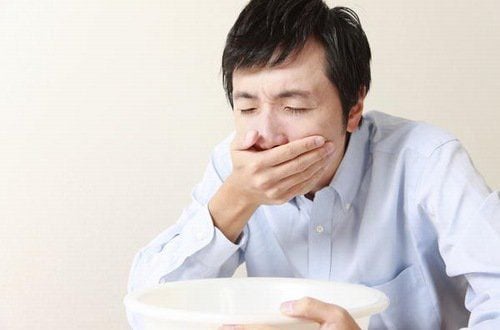
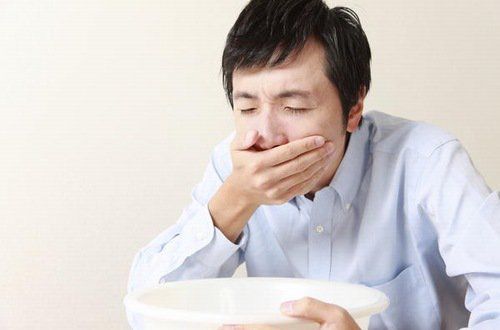
- Nausea and vomiting: This is one of the body’s natural ways to eliminate ingested toxins. However, excessive vomiting can lead to dehydration, so it is important to replenish fluids when experiencing this symptom.
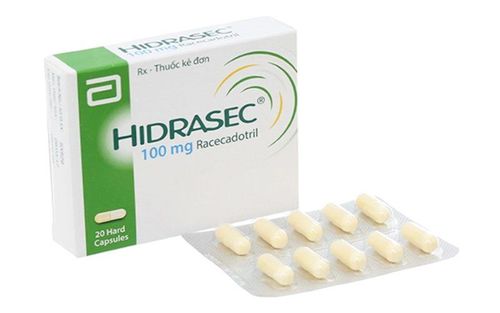
- Diarrhea: This is characterized by passing loose stools more than three times a day. It is a common symptom of food poisoning, caused by toxins or pathogens that inflame the intestinal lining, reducing its ability to reabsorb water, leading to diarrhea. This is also considered a natural way for the body to expel harmful substances. In mild cases of food poisoning, diarrhea usually does not last more than three days and does not cause severe dehydration.
- Headache: Some toxins found in contaminated food can affect the nervous system and cause headaches. In mild cases, the affected person may only experience a headache, but in severe cases, symptoms like confusion or seizures may occur.
- Fever: In mild food poisoning, fever may be absent or only mild. Fever is a natural immune response that helps the body fight off infections. However, in severe cases, the fever can rise above 39°C (102.2°F).
- Fatigue and loss of appetite: These symptoms are commonly observed in food poisoning cases. Fatigue and loss of appetite may be caused by dehydration or other symptoms such as fever, abdominal pain, and diarrhea, which reduce the person's desire to eat.
Food poisoning symptoms often occur in multiple individuals who have consumed the same contaminated food.
Mild food poisoning symptoms usually resolve within a short period with proper care. However, medical attention should be sought immediately if symptoms include bloody diarrhea, high fever, excessive vomiting, signs of dehydration (such as sunken eyes, decreased urination, dry throat, dizziness), prolonged diarrhea, or seizures.
3. First Aid for Food Poisoning
First aid for food poisoning is essential to reduce the risk of severe complications. The following measures should be taken when food poisoning is suspected:
- Inducing Vomiting: If the affected person has not vomited, inducing vomiting can help expel toxins from the body. The first step is to stimulate the person to vomit the contaminated food from the stomach. A clean finger can be used to touch the back of the tongue to trigger vomiting. The more food expelled, the better.
- For children, the patient should be positioned on their side with the head slightly elevated to prevent aspiration and choking. However, if the person is unconscious or experiencing severe food poisoning, inducing vomiting should be avoided as it may lead to choking or suffocation, which can be life-threatening.

Drinking Plenty of Fluids
After vomiting and diarrhea, the body loses a significant amount of water and electrolytes. Therefore, it is essential to replenish fluids and electrolytes by drinking plenty of water. It is recommended to drink oral rehydration solution (ORS) or roasted rice water to restore lost electrolytes. However, to use ORS safely, patients should take note of the following:
- Always read the instructions carefully and mix the solution in the correct ratio. Proper dilution ensures the right osmotic concentration. Too little water can worsen dehydration, while too much water can be dangerous, even fatal.
- Use the prepared ORS solution within 24 hours and store it properly to avoid contamination. Leftover ORS solution can become contaminated and pose a risk to the patient.
- Do not divide a single ORS packet to mix in multiple portions, as the ingredients may not be evenly distributed, leading to incorrect concentrations.
- Avoid flavored ORS, especially citrus flavors like orange, as they can irritate the intestines and worsen diarrhea.
- Do not boil the prepared ORS solution, as it will lose its effectiveness, evaporate, and increase its osmotic concentration, similar to using too little water.
- Do not mix ORS with mineral water, as the added minerals can alter its intended concentration. Always use boiled and cooled water for mixing.
- If multiple people experience food poisoning at the same time, do not let them share the same ORS solution, as this could increase the risk of further contamination and worsen the condition for those less severely affected.
Seeking Medical Attention
It is advisable to call emergency services or take the patient to the nearest medical facility for proper examination and treatment. Special attention should be given to children, as they are more vulnerable to severe food poisoning. If the patient shows severe symptoms such as high fever, lethargy, unconsciousness, or frequent diarrhea, immediate medical intervention is necessary.
Additionally, anti-diarrheal medications should not be used, as diarrhea is a natural process that helps expel toxins from the body. Instead, focus on hydration, consuming light and easily digestible foods, and supplementing with essential vitamins and minerals to aid recovery.
Preventing Food Poisoning
Although mild food poisoning can be managed, it still affects the patient’s health. Therefore, prevention is crucial. Follow these key measures to minimize the risk:
- Eat thoroughly cooked food and drink boiled water.
- Wash hands properly after using the toilet and before eating.
- Avoid consuming spoiled food, processed foods with preservatives, or questionable street food.
By practicing good hygiene and making informed food choices, the risk of food poisoning can be significantly reduced.
Read more:
To arrange an appointment, please call HOTLINE or make your reservation directly HERE. You may also download the MyVinmec app to schedule appointments faster and manage your reservations more conveniently.