Passion fruit is a tropical fruit with a refreshing tart flavor, widely favored, especially among health-conscious individuals. Despite its small size, passion fruit is rich in antioxidants, vitamins, and other bioactive compounds beneficial for overall health. Below is a detailed look at its nutritional value, health benefits, and proper ways to consume it.
1. Introduction to Passion Fruit
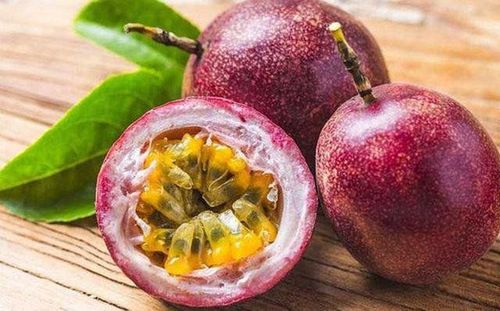
Passion fruit (scientifically known as Passiflora) is the fruit of the passion flower plant, belonging to the Passifloraceae family. It has a hard outer rind enclosing a pulp-filled interior with edible seeds. There are various species of passion fruit that differ in size and color, with purple and yellow one being the most common:
- Passiflora edulis – Small, round or oval passion fruit with a purple outer shell.
- Passiflora flavicarpa – Round or oval, yellow-skinned, and slightly larger than the purple type.
Although passion fruit is native to tropical regions, some varieties can thrive in subtropical climates. Due to its adaptability, passion fruit is cultivated worldwide, including in Asia, Europe, Australia, and both North and South America.
2. Nutritional Value of Passion Fruit
Passion fruit is highly nutritious, particularly rich in fiber, vitamin C, and vitamin A. A single purple passion fruit contains approximately:
- Calories: 17 kcal
- Fiber: 2 g
- Vitamin C: 9% of the Daily Value (DV)
- Vitamin A: 8% DV
- Iron: 2% DV
- Potassium: 2% DV
While these values may seem modest, they are remarkable for a fruit containing only 17 calories. Passion fruit also provides a significant amount of fiber, vitamin C, and vitamin A, along with beneficial plant compounds, such as carotenoids and polyphenols.
Studies indicate that passion fruit is richer in polyphenols than many other tropical fruits, including lychee, mango, banana, papaya, and pineapple. Additionally, passion fruit contains a small amount of iron, which, despite being plant-based and harder to absorb, is paired with vitamin C, which enhances iron absorption.
3. Health Benefits of Passion Fruit
Thanks to its exceptional nutrient composition, passion fruit offers various health benefits.
3.1. Rich in Antioxidants
Antioxidants protect the body from free radicals, unstable molecules that can damage cells when present in excessive amounts. Passion fruit is particularly rich in antioxidants and vitamin C, beta carotene (pro-vitamin A) and polyphenol
- Polyphenols are plant compounds with anti-inflammatory and antioxidant properties, reducing the risk of chronic diseases, such as cardiovascular conditions.
- Vitamin C: A vital antioxidant obtained from dietary sources, supporting the immune system and promoting healthy aging.
- Beta-carotene (Provitamin A) is also an important antioxidant. In our body, it is converted into vitamin A, essential for good vision. Diets high in plant-derived beta-carotene are linked to a reduced risk of prostate, colon, stomach, and breast cancers.
Passion fruit seeds are also rich in piceatannol, a polyphenol that has been shown to improve insulin sensitivity in overweight men and potentially reduce the risk of type 2 diabetes when consumed as a dietary supplement.
3.2. Excellent Source of Fiber
A single passion fruit contains approximately 2 grams of fiber, a notable amount for such a small fruit. Fiber plays a crucial role in supporting digestive health and preventing constipation. However, most people do not consume enough fiber for a day. Water-soluble fiber helps slow digestion, which helps regulate blood sugar levels and prevents spikes. A high-fiber diet is proven to reduce the risk of heart disease, diabetes, and obesity.
4. Anti-Inflammatory Effects of Passion Fruit Peel
The high antioxidant content in passion fruit peel has been found to exert powerful anti-inflammatory effects when used as a dietary supplement. A small study examined the effects of purple passion fruit peel extract on asthma symptoms over 4 weeks. Result shows a reduction in wheezing, coughing, and shortness of breath.
Another study in patients with osteoarthritis of the knee showed that those taking purple passion fruit peel extract experienced less pain and stiffness compared to those who did not receive supplementation.
However, the anti-inflammatory benefits of passion fruit antioxidants for arthritis and pain management remain inconclusive, requiring further research.

5. Potential Drawbacks of Passion Fruit
While passion fruit is generally safe to eat, certain individuals may experience allergic reactions. People allergic to latex are at a higher risk of developing a passion fruit allergy, as both share similar proteins that may trigger cross-reactions.
The purple passion fruit peel also contains cyanogenic glycosides, which can combine with enzymes to produce cyanide, a potentially toxic compound when consumed in large amounts. However, because the hard outer rind is rarely consumed, it is generally considered inedible and non-harmful.
6. Instruction on Consumption of Passion Fruit
To enjoy passion fruit, cut it open or break the outer shell to reveal the vibrant, seed-filled pulp inside. The seeds are edible, so they can be eaten along with the juicy pulp. The thin white layer between the rind and the pulp is also edible, but most people avoid it due to its bitter taste.
Passion fruit is highly versatile and can be consumed in various ways. Some people enjoy it fresh, while others prefer it in prepared dishes. Below are some of the most common ways to use passion fruit:
- Beverages: The juice can be strained and used to make passion fruit drinks, mixed into cocktails, or added to flavored water for a refreshing citrusy taste.
- Desserts: It is commonly used as a topping or flavoring for cakes, cheesecakes, and mousses.
- Salads: It adds a crunchy texture and fresh, tangy flavor to salads.
- Yogurt: Blending passion fruit pulp with plain yogurt creates a delicious and nutritious snack.
For those seeking a nutritious and flavorful snack, passion fruit is an excellent choice. With its low-calorie yet nutrient-rich profile, including fiber and antioxidants, it serves as a valuable addition to a balanced diet.
Reference source: healthline.com
Read more:
To arrange an appointment, please call HOTLINE or make your reservation directly HERE. You may also download the MyVinmec app to schedule appointments faster and manage your reservations more conveniently.