Phenylalanine is an amino acid found in many foods and is used by the body to produce proteins and other important molecules. Some studies suggest that phenylalanine may have effects on depression and certain skin conditions. The following article will help us understand more about the benefits, side effects, and food sources of phenylalanine.
1. What is Phenylalanine?
Phenylalanine is an amino acid, considered a building block of proteins in the human body.
Phenylalanine exists in three forms: D-phenylalanine, L-phenylalanine, and a laboratory-made mixture called DL-phenylalanine.
- D-phenylalanine is not an essential amino acid, and its role in the human body remains unclear. This form can be synthesized for use in some medical applications.
- L-phenylalanine is found in foods and is used to produce proteins in the human body. This is an essential amino acid. The L-form is the only type of phenylalanine found in proteins and is present in foods such as meat, fish, eggs, cheese, and milk.
In addition to protein production, phenylalanine is used to create other important molecules in the body, including those that transmit signals between different parts of the body.
Some studies have indicated that phenylalanine can be used to treat certain skin conditions and depression. However, phenylalanine can be dangerous for individuals with the genetic disorder phenylketonuria (PKU).
2. What are the benefits of phenylalanine?
The body needs phenylalanine and other amino acids to create proteins. Many important proteins are found in the brain, blood, muscles, and internal organs, as well as almost every part of the body. Moreover, phenylalanine is crucial in producing other molecules, including:
- Tyrosine: This amino acid is directly synthesized from phenylalanine and is used to create new proteins.
- Epinephrine and norepinephrine: These molecules play an essential role in stress response.

- Dopamine: This molecule is linked to the brain's pleasure sensation, memory formation, and cognitive skills.
Dysfunctions in these molecules can negatively impact health. Since phenylalanine is used to produce these molecules, it is considered a potential treatment for certain conditions, including depression.
Some studies have suggested that phenylalanine may be effective in treating vitiligo. Using L-phenylalanine in combination with ultraviolet (UV) exposure can improve skin pigmentation and effectively treat vitiligo in both adults and children.
Certain studies indicate that patients with attention deficit hyperactivity disorder (ADHD) have lower levels of certain amino acids, including phenylalanine. Thus, supplementing phenylalanine is expected to help treat ADHD.
Since phenylalanine is used to produce dopamine in the brain, it is linked to some types of depression. A study involving 12 patients with depression found that a combination of D- and L-phenylalanine improved symptoms in two-thirds of the patients.
In addition to vitiligo and depression, phenylalanine has other potential benefits, including:
- Pain relief: The D-form of phenylalanine may help alleviate pain in some conditions, such as after tooth extractions.
- Alcohol withdrawal: Using D-phenylalanine with other amino acids may help improve certain symptoms of alcohol withdrawal.
- Skin aging: Research suggests that applying undecylenoyl phenylalanine cream (2%) twice daily for 12 weeks may reduce age spots.
- Parkinson’s disease: D-phenylalanine may help alleviate symptoms of Parkinson’s disease.
3. What are the side effects of phenylalanine?
Phenylalanine is found in many protein-containing foods, and its natural intake does not pose a risk to healthy individuals.
Pregnant women should consume phenylalanine at normal levels. Excessive phenylalanine in the mother's body can increase the risk of birth defects in the fetus. Individuals with normal phenylalanine levels should only consume the amount naturally found in foods and avoid additional supplements. For women with high phenylalanine levels, even dietary intake may not be safe.
Experts recommend that women should limit phenylalanine intake for at least 20 weeks before pregnancy to reduce the risk of birth defects in the baby.
Individuals with the genetic disorder phenylketonuria (PKU) have blood phenylalanine levels 400 times higher than normal individuals. If they consume additional phenylalanine, they may experience intellectual disabilities, high blood pressure, stroke, and other serious health problems. PKU patients are usually placed on a low-protein diet that must be maintained for life.
Phenylalanine may also worsen movement disorders in individuals with schizophrenia.
4. Which foods contain phenylalanine?
Phenylalanine is present in both plant-based and animal-based foods.
- Soy products are rich sources of this amino acid, along with pumpkin seeds, squash seeds, and other nuts. Consuming soy protein can provide approximately 2.5 grams of phenylalanine per 200-calorie serving.

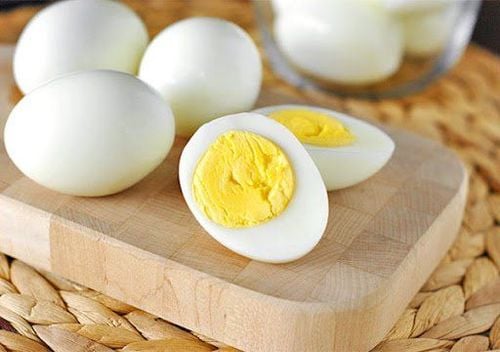
- Animal-based foods such as eggs, seafood, and certain meats can provide 2-3 grams of phenylalanine per 200-calorie serving.
It is unnecessary to specifically choose foods based on their phenylalanine content.
Eating a variety of protein-rich foods will supply all the phenylalanine needed along with other essential amino acids.
In conclusion, Phenylalanine is an essential amino acid found in both animal-based and plant-based foods. While phenylalanine is generally considered safe, it can cause serious side effects in individuals with PKU and pregnant women with high phenylalanine levels.
Reference source: healthline.com; webmd
To arrange an appointment, please call HOTLINE or make your reservation directly HERE. You may also download the MyVinmec app to schedule appointments faster and manage your reservations more conveniently.