1. What is Finger Swelling?
Finger swelling refers to the condition where the fingers become larger or puffier than normal, which may result from fluid retention or inflammation. Depending on severity, swelling may resolve without treatment, or in more severe cases, medical intervention is needed.
2. Causes of Finger Swelling
2.1 Water Retention
Fluid buildup in tissues or joints can cause finger swelling. Sometimes swelling occurs in the middle or ring fingers, making it difficult to remove rings.
A high-salt diet can contribute to this but is generally not serious. However, if swelling affects fingers, hands, and feet simultaneously, it may indicate an underlying health issue that needs attention.
2.2 Exercise and Heat
During exercise, the heart, lungs, and muscles require more oxygen, diverting blood flow from the hands. The small blood vessels in the hands respond by dilating, causing finger swelling.
Similarly, in hot weather, blood vessels near the skin surface expand to cool the body, which may also cause swelling.
2.3 Injury
Finger sprains, ligament tears, tendon injuries, dislocations, or fractures can cause swelling. Minor injuries may be treated with ice, rest, and over-the-counter pain relief.
However, medical evaluation is necessary if the finger joint swells (especially in the index finger), deforms, cannot straighten, or if pain and fever occur.
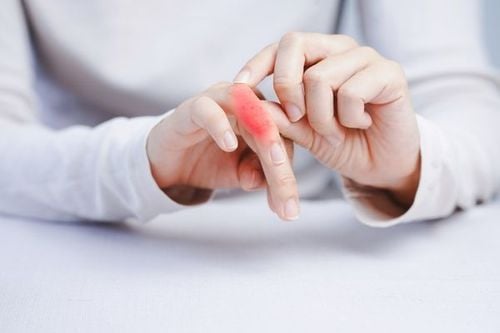
2.4 Infection
Finger swelling due to infection can result from:
- Herpetic whitlow: Herpes virus infection causing small blisters, swelling, and bleeding on fingers.
- Paronychia: Bacterial or fungal infection around the nails.
- Felon: Painful fingertip abscess with pus.
- Untreated infections can spread and affect other body parts.
2.5 Arthritis
- Rheumatoid arthritis causes inflammation of the joint lining, leading to swollen, painful, and stiff finger joints, often symmetrically affecting both hands and eventually feet.
- Psoriatic arthritis, associated with psoriasis, can also cause finger and toe swelling.
Without proper treatment, these conditions may cause joint damage.
2.6 Gout
Gout typically affects the big toe but can cause swelling and pain in finger joints due to uric acid crystal deposits. It is common among those consuming high amounts of meat, seafood, and alcohol. Medication can reduce pain and prevent further attacks, but consultation with a doctor is important before starting treatment.
2.7 Carpal Tunnel Syndrome
Compression of the median nerve in the wrist can cause finger numbness, swelling, and impaired movement, though skin may appear normal.
Carpal tunnel syndrome often results from repetitive wrist motions. Surgical decompression is sometimes required and usually does not cause long-term damage.
2.8 Trigger Finger
Trigger finger occurs when tendons in the finger become swollen, making fingers lock or catch in a bent position. Trigger finger can follow carpal tunnel surgery and is more common in people with rheumatoid arthritis or diabetes. It may resolve on its own but can worsen, causing stiffness.
2.9 Kidney Disease
The kidneys remove waste and excess fluid from the body. Swelling in fingers, feet, and around the eyes can be early signs of kidney problems. Patients with diabetes or high blood pressure have higher risks. Managing these conditions helps protect kidney function. Advanced kidney disease may require dialysis or transplant.
2.10 Pregnancy
Pregnant women may experience swelling in fingers, ankles, and feet. Sudden swelling in the hands or face could indicate preeclampsia, a dangerous condition involving high blood pressure that damages the kidneys and causes swelling. Symptoms may include headaches, abdominal pain, and vision changes.
2.11 Sickle Cell Disease
Normal red blood cells are flexible and disc-shaped. In sickle cell disease, red blood cells become rigid and crescent-shaped, blocking small blood vessels and causing swelling and pain in fingers and feet. Complications include infection, anemia, stroke, and blindness.
2.12 Lymphedema
When lymph fluid cannot drain properly, swelling occurs. It may develop after cancer treatments, such as lymph node removal during breast cancer surgery, causing swelling in the arms and hands.
2.13 Raynaud’s Disease
A rare condition affecting blood vessels in fingers and toes. Exposure to cold or stress causes blood vessels to constrict, reducing blood flow and causing fingers to turn white or blue and feel painful. When blood flow returns, fingers may swell and throb. Severe cases can cause ulcers or tissue death.
2.14 Scleroderma
Scleroderma, an autoimmune disease causing excess collagen production, leading to thick, hard skin and affecting internal organs. Swelling and hardening of fingers and hands are common. Severity varies, but while it is not curable, treatments can manage symptoms.
Many health conditions can cause finger swelling. Common causes such as heat, exercise, or hormonal changes are usually not serious and can be managed with simple interventions. However, persistent swelling accompanied by other symptoms requires medical evaluation to identify potential underlying diseases.
Read more:
To arrange an appointment, please call HOTLINE or make your reservation directly HERE. You may also download the MyVinmec app to schedule appointments faster and manage your reservations more conveniently.